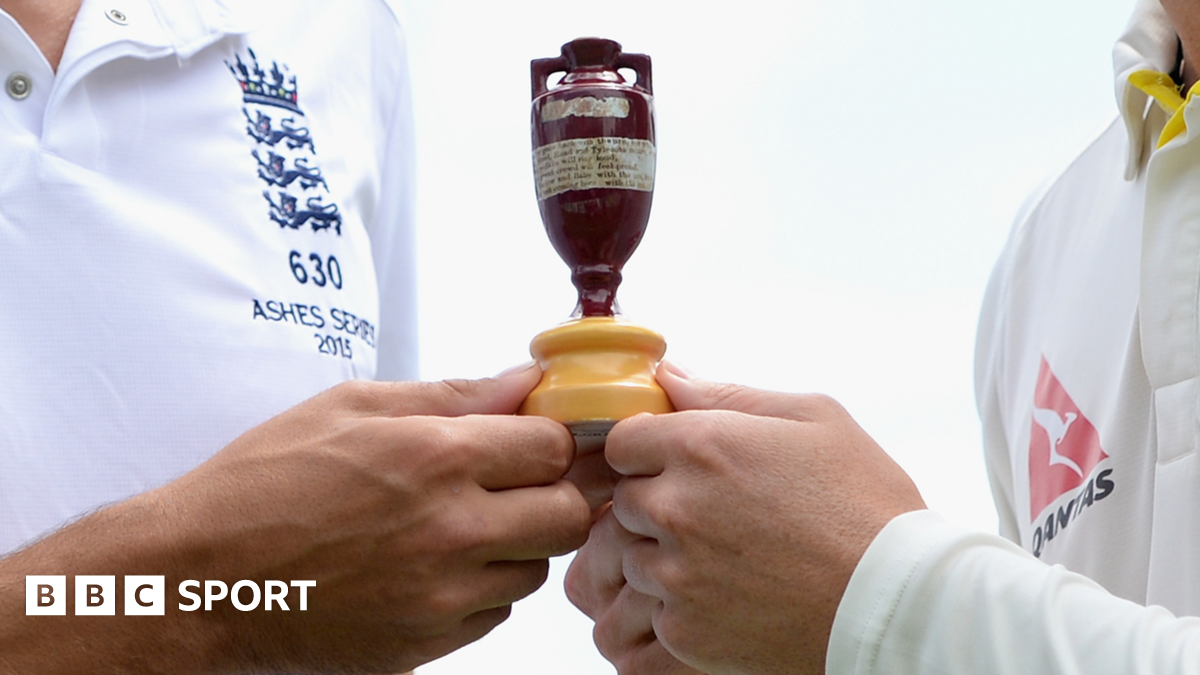
The Ashes Urn: A Complete history of Cricket’s Most Coveted Prize
Have you ever wondered about the tiny urn that ignites such passion in the world of cricket? It’s more than just a trophy; it’s a symbol of sporting rivalry, national pride, and over 140 years of history.This is the story of the Ashes Urn, from its humble beginnings to its current status as cricket’s most iconic prize.
The Origins of a Legend
The story begins in 1882, following a stunning upset. England lost a Test match at The oval to Australia for the frist time on home soil. A satirical obituary, published in The Sporting Times, declared that English cricket had died, and the body would be cremated and the ashes taken to Australia.
This playful, yet pointed, message sparked a tradition. A small terracotta urn, believed to contain the ashes of a burnt bail, was presented to the Australian team before their next tour of England in 1882-83. While the actual contents of the urn remain a mystery – and likely don’t actually contain ashes – the symbolic power was immediate.
The Poem and the Players
The inscription on the urn itself is a six-line poem,a charming relic of the early days of the rivalry.It reads:
“When Ivo goes back with the urn, the urn;
Studds, Steel, Read and Tylecote return, return;
The welkin will ring loud,
The great crowd will feel proud,
Seeing Barlow and Bates with the urn, the urn;
And the rest coming home with the urn.”
These names – Ivo Bligh, studds, Steel, Read, Tylecote, Barlow, and Bates – represent the players who participated in that pivotal 1882-83 series. They are forever etched into Ashes lore.
A History of Contests and Claims
Throughout its history, the Ashes has been contested in 73 series (as of November 2023). Australia has emerged victorious in 34 of those series, while England has won 32. Six series have ended in draws, with Australia retaining the urn on each occasion.
It’s important to understand how the urn is retained. It isn’t simply about winning a single Test match or series.The team that wins a series outright – or draws a series while already holding the urn – retains it untill the next series. This adds another layer of complexity and drama to the competition.
Beyond the scorecard: the Cultural Significance
The Ashes transcends cricket. It’s a cultural touchstone for both England and Australia, steeped in national identity and historical rivalry. The series regularly draws massive television audiences and fills stadiums with passionate fans.
Recent data from Cricket Australia shows that the 2023 Ashes series in England generated over £70 million in economic impact for the UK, demonstrating the meaningful financial power of this sporting event. https://www.cricket.com.au/news/ashes-2023-economic-impact-england-australia-tourism-revenue-report/2023/07/27
Understanding the Rules of Retention
You might be asking yourself, “What happens if a series is tied?” Here’s a breakdown of the retention rules:
* Outright Winner: The team winning the most Test matches in a series wins the Ashes.
* Draw: If the series is tied, the team that already holds the urn retains it.
* First to Five: Historically, the first team to win five Test matches would win the series, even if more matches were scheduled. This rule is less common now, with series typically played over five matches.
The Urn today: Security and Display
Given its immense
Worth a look