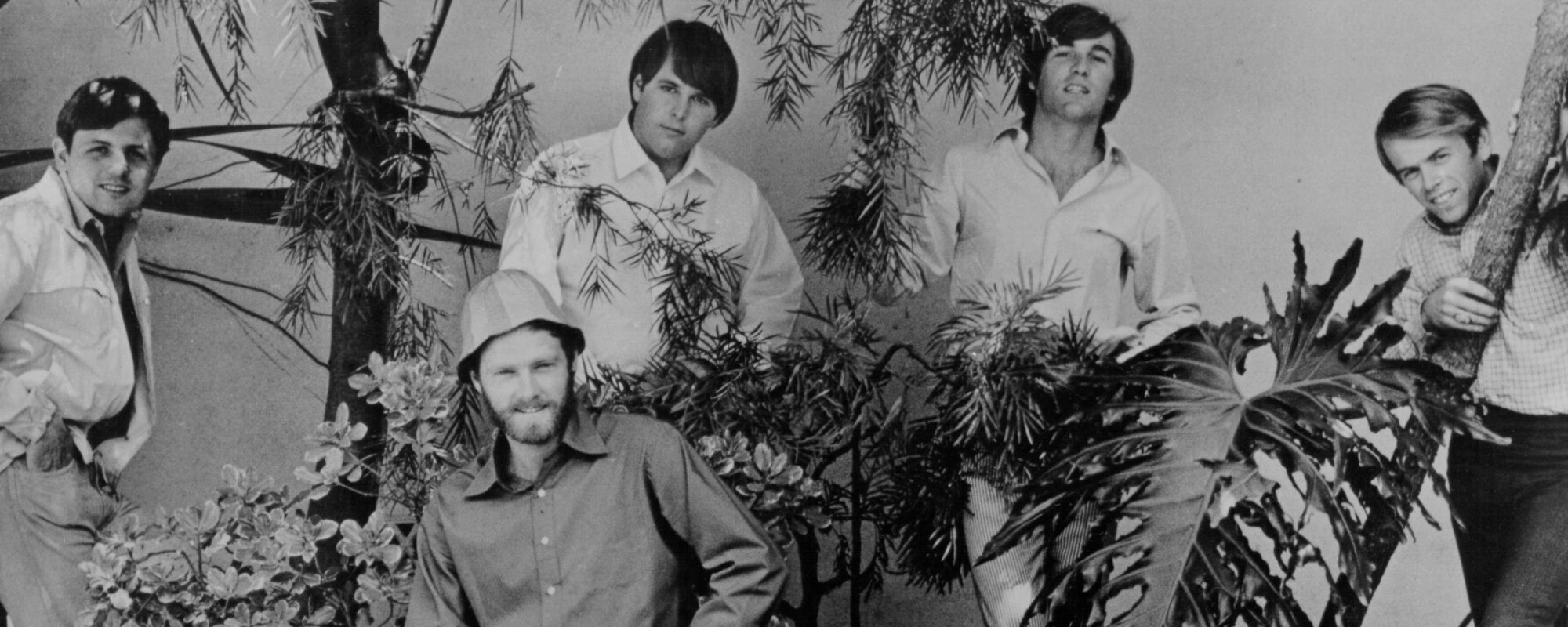
The Day a Surf Rock Anthem Nearly Landed The Beach Boys in Court
On this day, March 4, 1963, The Beach Boys released “Surfin’ U.S.A.”, a song that would quickly become synonymous with the California sound and a defining track of the early 1960s rock and roll landscape. However, the song’s creation was not entirely original, and its success nearly triggered a legal battle with one of rock’s founding fathers. The track, built upon the musical foundation of Chuck Berry’s “Sweet Little Sixteen,” sparked controversy over authorship and copyright, highlighting the complex relationship between inspiration and imitation in the burgeoning world of popular music.
The genesis of “Surfin’ U.S.A.” lay in Brian Wilson’s inventive approach to songwriting. Inspired by the energy and structure of Berry’s earlier hit, Wilson saw an opportunity to adapt the familiar chord progression and format to a new lyrical theme – the burgeoning surf culture of Southern California. According to Songfacts, Wilson’s initial inspiration came while listening to “Sweet Little Sixteen,” recognizing the potential to create a surf-themed anthem using Berry’s established musical framework. This wasn’t simply a case of imitation, but a deliberate attempt to capture the spirit of rock and roll while reflecting a distinctly Californian lifestyle.
The song’s creation wasn’t a solo effort. While Wilson is credited as a songwriter alongside Chuck Berry, Mike Love played a significant role in crafting the lyrics, though he initially went uncredited. Love contributed to the song’s evocative descriptions of surfing hotspots along the American coastline, transforming Berry’s original narrative into a celebration of sun, sand, and the freedom of the surf. The collaboration, however, was complicated by the circumstances surrounding Berry at the time, and the subsequent legal issues that arose.
A Legal Tangle and a Revised Credit
The Beach Boys did not initially seek permission from Chuck Berry to adapt his song, a decision complicated by Berry’s legal troubles at the time. In 1963, Berry was facing legal issues related to violating the Mann Act, a federal law prohibiting the transportation of women across state lines for immoral purposes. This situation made obtaining explicit consent difficult, and ultimately led to a dispute over authorship. As reported by Far Out Magazine, Berry threatened legal action, prompting Wilson and the record label to add Berry’s name as a co-writer and grant him a larger share of the royalties.
While Mike Love contributed significantly to the lyrics, he was not initially credited and was excluded from the subsequent 1992 lawsuit filed by Berry. This was due to the fact that Arc Music, Berry’s publisher, held the copyright to the original composition. The resolution of the dispute underscored the importance of copyright law and the complexities of musical attribution, even in cases where homage and inspiration are central to the creative process. The incident serves as a cautionary tale about the need for proper licensing and acknowledgment when building upon existing works.
The California Sound and the Rise of Surf Culture
“Surfin’ U.S.A.” quickly became a hit, reaching number two on the Music Vendor chart (later Record World) and number three on both the Billboard and Cash Box charts. According to Wikipedia, Billboard ranked it as the number one song of 1963. More than just a commercial success, the song became emblematic of the “California Sound,” a musical style characterized by its upbeat melodies, close harmonies, and lyrical focus on surfing, cars, and teenage life. It captured the zeitgeist of a generation embracing a carefree lifestyle and a burgeoning youth culture.
The song’s impact extended beyond the realm of music. It helped to popularize surfing as a mainstream activity and contributed to the romanticized image of California as a paradise of sun, surf, and endless summer. Professor Dale Carter, as noted in the Wikipedia entry for “Surfin’ U.S.A.”, observed that the Beach Boys’ lyrics depicted a vision of California as a “promised land” offering “liberty and security” through material comforts and recreational pursuits. This portrayal resonated with a wide audience, solidifying the song’s place in American cultural history.
Interestingly, despite the song’s celebration of surf culture, most of the Beach Boys themselves were not avid surfers. Dennis Wilson was reportedly the only member of the band who regularly rode the waves. However, the band skillfully tapped into the cultural phenomenon, recognizing its appeal to their target demographic – teenagers captivated by the allure of surfing and the Californian lifestyle. This strategic alignment with a popular trend proved to be a key factor in their success.
A Lasting Legacy and Recognition
“Surfin’ U.S.A.” has endured as a classic of American popular music, continuing to be played on radio stations and featured in films and television shows. Its influence can be heard in countless subsequent songs that have drawn inspiration from its upbeat energy and catchy melodies. The song’s inclusion in The Rock and Roll Hall of Fame’s “500 Songs that Shaped Rock and Roll” further solidifies its status as a pivotal work in the history of the genre.
The song’s story also serves as a reminder of the often-complex relationship between artists and their influences. While the initial controversy surrounding its creation highlighted the importance of copyright and attribution, it also underscored the power of adaptation and the creative potential of building upon existing works. “Surfin’ U.S.A.” stands as a testament to the enduring legacy of Chuck Berry and the innovative spirit of The Beach Boys, two iconic forces in the evolution of rock and roll.
The legacy of “Surfin’ U.S.A.” continues to resonate today, not only as a beloved song but also as a cultural artifact that encapsulates a specific moment in American history. It represents a time of optimism, youthful exuberance, and the rise of a distinctly Californian identity. The song’s enduring popularity ensures that its story – and the legal complexities surrounding its creation – will continue to be discussed and debated for years to come.
Looking ahead, the ongoing debate surrounding copyright and artistic inspiration will undoubtedly continue to shape the music industry. As new technologies and creative approaches emerge, the lines between originality and adaptation will become increasingly blurred, requiring artists and legal professionals to navigate these challenges with sensitivity and respect for intellectual property rights. The case of “Surfin’ U.S.A.” serves as a valuable lesson in the importance of acknowledging influences and ensuring fair compensation for creative contributions.
What are your thoughts on the song and the controversy surrounding its creation? Share your comments below and let us know how “Surfin’ U.S.A.” has impacted your appreciation of music and California culture.