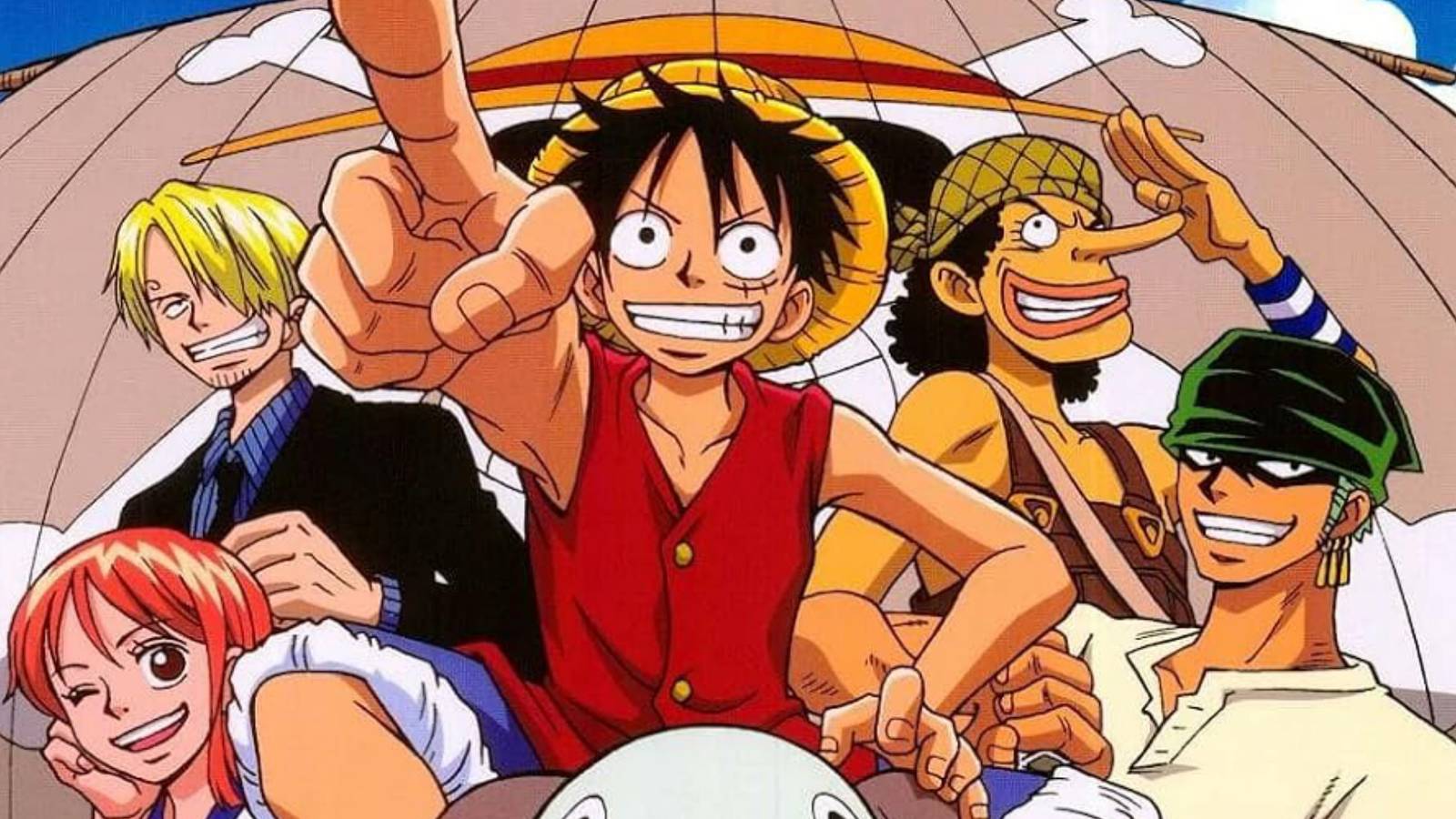
For newcomers to anime, the sheer volume of available series can feel overwhelming. With thousands of titles spanning decades and genres, knowing where to start is often the biggest hurdle. This guide cuts through the noise by highlighting five classic series that have consistently drawn in new fans and served as gateways to the medium. These selections are not based on fleeting trends but on enduring popularity, critical acclaim, and their proven ability to resonate with viewers unfamiliar with anime’s conventions.
Each series recommended here represents a different facet of what makes anime compelling: from epic adventure and emotional depth to genre-defying storytelling and cultural impact. They are widely available on major streaming platforms, often with both subtitled and dubbed options, lowering the barrier to entry. The goal is not to provide an exhaustive list but to offer trusted starting points backed by audience reception and industry recognition.
Before diving in, it’s worth noting that “classic” in this context refers to series that have stood the test of time—typically those released before 2010 that continue to attract new viewers. While newer hits like Demon Slayer or Attack on Titan are undeniably popular, the titles below have demonstrated lasting appeal across multiple generations of fans, making them reliable choices for building a foundation in anime appreciation.
Fullmetal Alchemist: Brotherhood (2009–2010)
Frequently ranked among the greatest anime of all time, Fullmetal Alchemist: Brotherhood adapts Hiromu Arakawa’s manga with remarkable fidelity and emotional precision. The story follows two brothers, Edward and Alphonse Elric, who use alchemy in a failed attempt to resurrect their mother, resulting in Edward losing an arm and a leg and Alphonse losing his entire body, his soul bound to a suit of armor. Their quest to restore what they lost leads them into a deep conspiracy involving the military, ancient secrets, and the true cost of power.
What makes this series particularly effective for newcomers is its balance of accessible storytelling and thematic depth. It avoids excessive reliance on anime-specific tropes while delivering a tightly plotted narrative that blends action, philosophy, and character growth. The animation, produced by Bones, remains impressive even by today’s standards, and the English dub is widely praised for its natural performances. According to data from MyAnimeList, Brotherhood has maintained a top-ten ranking for over a decade, with consistent praise for its satisfying conclusion—a rarity in long-running series.
Available on platforms like Crunchyroll and Hulu, the series consists of 64 episodes, making it a manageable commitment compared to longer-running shonen titles. Its exploration of sacrifice, ethics, and brotherhood resonates across cultures, contributing to its global appeal. For many viewers, it serves as both an introduction to anime’s storytelling potential and a benchmark for what the medium can achieve when vision and execution align.
Spirited Away (2001)
While not a series, Hayao Miyazaki’s Spirited Away is often the first anime film many international viewers encounter—and for good reason. Winner of the Academy Award for Best Animated Feature in 2003, it remains the only non-English-language film to win in that category. The story follows Chihiro, a sullen ten-year-old girl who, while moving to a new neighborhood, enters a mysterious bathhouse for spirits and must operate to free herself and her parents, who have been turned into pigs.
The film’s universal themes of identity, resilience, and environmental respect are conveyed through breathtaking hand-drawn animation and a score by Joe Hisaishi that has become iconic. Its success helped legitimize anime in Western markets, opening doors for broader distribution of Japanese animation. According to Studio Ghibli’s official records, Spirited Away grossed over ¥30.4 billion worldwide, making it one of the highest-grossing films in Japanese history.
Its accessibility lies in its fairy-tale structure and emotional clarity—viewers don’t need prior knowledge of anime conventions to follow Chihiro’s journey. The film is available on Max (formerly HBO Max) as part of a Studio Ghibli library deal, and its presence on a major Western streaming platform has introduced it to countless new viewers. For those hesitant to commit to a multi-episode series, Spirited Away offers a complete, self-contained experience that exemplifies anime’s artistic range.
Cowboy Bebop (1998–1999)
A genre-blending masterpiece that fuses noir, jazz, space western, and existential drama, Cowboy Bebop follows a bounty hunter crew aboard the spaceship Bebop as they chase fugitives across the solar system in 2071. Led by the laid-back Spike Spiegel, the crew includes the sharp-tongued Faye Valentine, the stoic cybernetic warrior Jet Black, the eccentric hacker Ed, and the data-obsessed dog Ein. Each episode blends self-contained adventures with an overarching exploration of the characters’ haunted pasts.
What distinguishes Cowboy Bebop is its mature tone and sophisticated soundtrack, composed largely by Yoko Kanno and performed by the Seatbelts. The display’s influence extends far beyond anime, earning praise from filmmakers like Guillermo del Toro and Rian Johnson. Its episodic structure makes it easy to sample, while its deeper arcs reward continued viewing. The series consists of 26 episodes plus a film, Knockin’ on Heaven’s Door, which expands on the story.
Available on Netflix in many regions, Cowboy Bebop has remained a touchstone for discussions about anime’s ability to tackle complex adult themes without sacrificing style or entertainment value. Its English dub is often cited as one of the best in the medium, featuring performances that capture the characters’ nuanced emotions. For viewers who associate anime with high-energy action or fantasy, this series offers a compelling counterpoint—proof that the medium can be as stylish and introspective as any live-action drama.
My Neighbor Totoro (1988)
Another Studio Ghibli classic, My Neighbor Totoro is frequently recommended as a gentle entry point into anime, especially for families or viewers who prefer quieter, more reflective stories. Set in postwar rural Japan, it follows two young sisters, Satsuki and Mei, who move to the countryside with their father to be closer to their mother, who is recovering from an illness. There, they discover friendly forest spirits, including the large, benign creature Totoro.
The film’s power lies in its simplicity and emotional honesty. There are no villains, no high-stakes battles—just a tender portrayal of childhood wonder, familial love, and the healing power of nature. Animation historian Susan Napier has noted that Totoro exemplifies “the anime of feeling,” prioritizing mood and atmosphere over plot-driven conflict. Its imagery—particularly the iconic scene of Totoro waiting at a bus stop in the rain—has become globally recognized.
Like Spirited Away, it is available on Max and has been praised for its cross-generational appeal. The film’s lack of dialogue-heavy exposition makes it accessible even to younger viewers or those reading subtitles for the first time. For many, it represents anime’s capacity to evoke deep emotion through subtlety and grace, challenging assumptions that the medium is solely about spectacle or action.
Neon Genesis Evangelion (1995–1996)
No list of gateway anime would be complete without acknowledging Neon Genesis Evangelion, despite its reputation for complexity. Created by Hideaki Anno, the series redefined the mecha genre by using giant robots as metaphors for psychological struggle, isolation, and the difficulty of human connection. The story centers on Shinji Ikari, a reluctant teenager recruited to pilot a bio-mechanical unit called an Evangelion to combat mysterious beings known as Angels, while NERV, the organization overseeing the defense, hides its own ulterior motives.
While its abstract ending and dense symbolism have sparked decades of debate, the series’ impact on anime and global pop culture is undeniable. It introduced psychological realism to a genre often dominated by action, influencing countless subsequent works. According to NHK Archives, the original broadcast achieved strong ratings in Japan and later gained a cult following internationally through VHS and DVD releases.
Today, Evangelion is accessible via Netflix, which streams both the original series and the Rebuild of Evangelion film tetralogy—a reimagining that updates the story with new animation and revised themes. Though it may challenge viewers expecting a straightforward narrative, its exploration of anxiety, identity, and the desire to be understood resonates strongly in contemporary discussions about mental health. For those willing to engage with its layers, it offers a profound, if unsettling, introduction to anime’s capacity for introspection.
These five titles—spanning film and series, fantasy and realism, adventure and introspection—represent different entry points into a diverse medium. What unites them is not just their quality but their ability to connect with viewers on a human level, regardless of prior exposure to anime. They have endured not because of nostalgia alone, but because they continue to speak to new audiences in meaningful ways.
As streaming platforms expand their anime libraries, these classics remain readily available, often accompanied by bonus features, director commentary, or restored versions that enhance the viewing experience. Whether accessed through Crunchyroll, Netflix, Max, or Hulu, they offer a reliable foundation for anyone looking to understand why anime has captured the imagination of millions worldwide.
If you’ve watched any of these and found yourself drawn in, consider exploring more works by the same creators or studios—many have extensive filmographies that build on the strengths seen here. The journey into anime doesn’t require a deep dive all at once; sometimes, one well-chosen story is enough to spark a lasting interest.
Have you started with one of these classics? Share your experience in the comments below—what resonated with you, and what would you recommend to someone else just beginning? Your insights could help guide the next viewer toward their first meaningful anime encounter.
Related reading