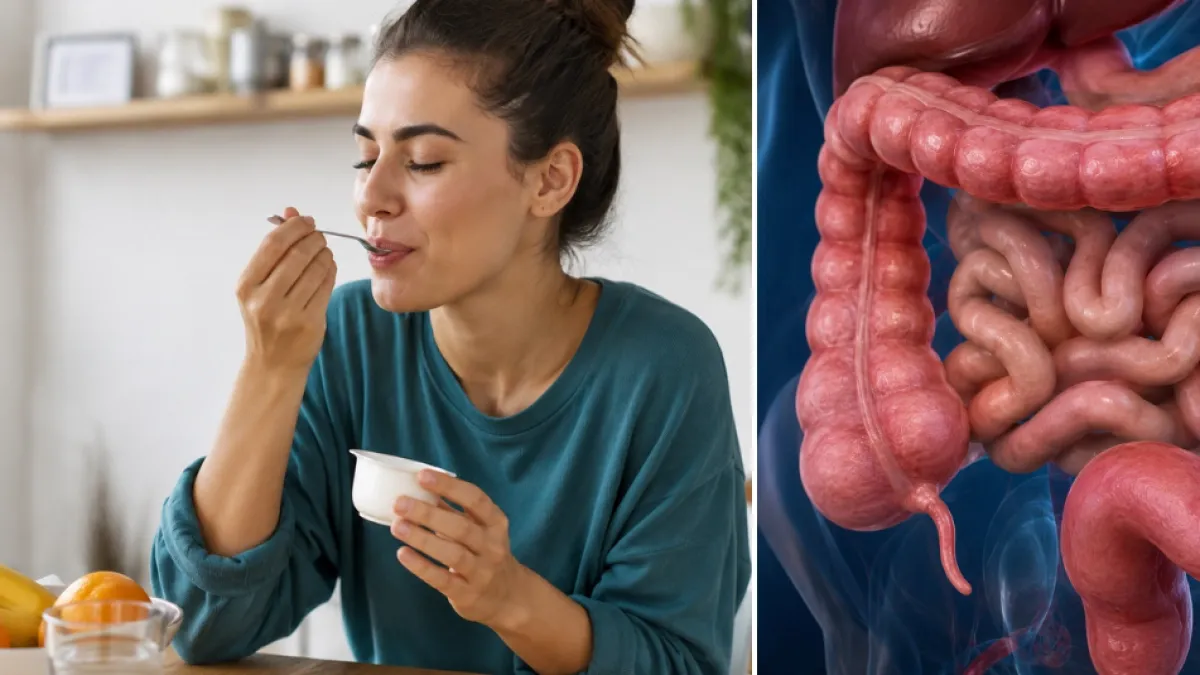
Research into the relationship between diet and colorectal health has increasingly focused on the role of the gut microbiome. Recent studies involving molecular pathological epidemiology have suggested that specific dietary patterns, particularly those rich in probiotics, may influence the risk of developing colorectal cancer by modulating the intestinal environment. While these findings offer a promising avenue for public health, they underscore the complexity of individual biological responses to dietary interventions.
Dr. Shuji Ogino, a professor of pathology at Harvard Medical School and a specialist in molecular pathological epidemiology, has been at the forefront of examining how lifestyle factors, including diet, interact with the molecular characteristics of colorectal tumors. His work emphasizes that the gut microbiota is not merely a passive bystander but an active participant in human physiology, capable of being reshaped by the foods we consume.
Understanding the Role of Probiotics in Gut Health
Probiotics are live microorganisms that, when administered in adequate amounts, confer a health benefit on the host. In the context of the digestive system, these “friendly” bacteria are thought to support the integrity of the intestinal barrier and modulate immune responses. According to the Harvard T.H. Chan School of Public Health, the human microbiome is a complex ecosystem that plays a critical role in digestion, metabolism, and the regulation of the immune system.
The hypothesis explored by researchers like Dr. Ogino suggests that by fostering a diverse and balanced microbiome, individuals may reduce chronic inflammation within the colon. Chronic inflammation is a known risk factor for the development of precancerous polyps and colorectal cancer. By introducing fermented foods—which are natural sources of probiotics—into a regular diet, individuals may help maintain a microbial composition that is less conducive to tumor development.
Evidence-Based Dietary Considerations
While the connection between fermented foods and reduced cancer risk is a subject of active scientific inquiry, it is essential to distinguish between preventative nutrition and clinical treatment. The National Cancer Institute notes that while dietary habits such as high fiber intake and limited consumption of processed meats are clearly linked to lower colorectal cancer risk, the specific role of individual probiotic strains remains an area of ongoing study.
Dr. Ogino’s research often highlights the importance of “molecular pathological epidemiology,” an interdisciplinary field that integrates epidemiology, pathology, and molecular biology to identify how specific exposures—such as diet—affect the molecular pathways of disease. This approach allows scientists to observe how dietary interventions might change the “microenvironment” of the colon, potentially slowing the progression of abnormal cell growth.
Practical Approaches to Dietary Health
For those looking to optimize their gut health, incorporating a variety of fiber-rich foods and fermented products is generally recommended by public health authorities. These may include:
- Yogurt with live, active cultures
- Kefir and other fermented dairy products
- Kimchi and sauerkraut
- Miso and tempeh
It is important to remember that diet is only one component of colorectal cancer prevention. The Centers for Disease Control and Prevention (CDC) maintains that routine screening, starting at the recommended age, remains the most effective tool for preventing colorectal cancer by allowing for the detection and removal of precancerous polyps before they become malignant.
Future Directions in Microbiome Research
The medical community continues to refine its understanding of how the gut microbiome influences long-term health outcomes. Future research is expected to provide more granular data on the specific types and quantities of probiotic-rich foods that offer the most significant protective effects. As we await further findings from longitudinal studies, the current consensus remains focused on a balanced, nutrient-dense diet as a cornerstone of preventive medicine.

Readers interested in the latest clinical guidelines for cancer screening and prevention should consult their primary care physicians or visit the official portals of national health organizations, such as the World Health Organization, for the most current, evidence-based recommendations. If you found this information helpful, please share this article with your network to help promote evidence-based health awareness.
Related reading
- Im Falle der Vorwürfe des Betrugs um die Einfuhr von Corona-Schutzmasken hat der … – Instagram
- 2 adults contract measles in Ashtabula County – what’s being done to stop spread
- Canine Pregnancy Diagnosis: X-Ray Reveals Fetus, 1-3 Days Post-Mating (world-today-news.com)
- Colorectal cancer is on the rise — and often overlooked — in young adults (archyde.com)