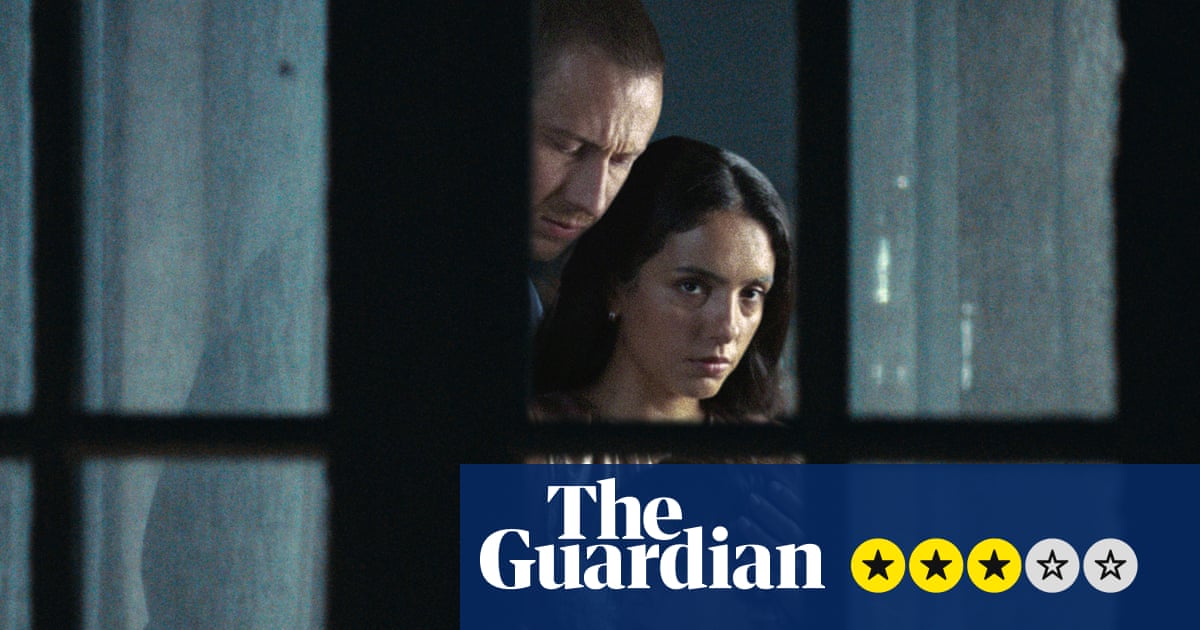
In the world of international cinema, the Cannes Film Festival remains the ultimate stage for bold storytelling, and this year’s selection features a chilling entry that has captured the attention of critics and audiences alike. Léa Mysius’s latest project, an adaptation of the acclaimed French novel Histoires de la Nuit by Laurent Mauvignier, delivers a gripping, home-invasion suspense thriller that explores the dark undercurrents of rural life. As the film navigates the complexities of social isolation and sudden, violent intrusion, it offers a stark look at the fragility of domestic stability in the French countryside.
The film, which has been noted for its “sinister rural strangeness,” serves as a compelling departure from typical festival fare, rooting its tension in the quiet desperation of a struggling family. While some critics have pointed to pacing issues in the third act, the sheer intensity of the performances—particularly from the central cast—has solidified the movie’s status as one of the more provocative discussions at the festival. For viewers accustomed to the high-stakes drama of the competition, this film provides a grim, compulsive look at what happens when the veneer of a “normal” life is violently stripped away.
A Portrait of Rural Desperation
At the heart of the narrative is Thomas, played by Bastien Bouillon, a dairy farmer grappling with the heavy legacy of his family’s past, including his father’s suicide. The setting is a remote, bucolic village that feels both timeless and suffocating. Thomas’s life is anchored by his wife, Nora (Hafsia Herzi), a glamorous city-dweller who stands in sharp contrast to the rustic environment, and their daughter, Ida. The family dynamic is further complicated by a viral video—a “goofy family dance”—that has recently caused tension within the household, highlighting the gap between their private reality and the digital gaze.
Financial precarity permeates every scene. Thomas’s struggle to secure a loan to fund Nora’s upcoming 40th birthday party underscores the desperation of a man trying to maintain a facade of normalcy under mounting pressure. The presence of a neighbor—an elegant artist played by Monica Bellucci—adds a layer of social complexity, framing the family’s isolation within a broader, perhaps more sophisticated, societal context. The film effectively uses the “France profonde” landscape to heighten the sense of vulnerability, turning the farm into a stage for a high-stakes standoff.
The Arrival of the Goons
The tension reaches a breaking point when three menacing figures, portrayed by Benoît Magimel, Paul Hamy, and Alane Delhaye, arrive at the farmhouse. Magimel’s performance has been described as a “ripe turn,” with observers noting his evolving presence—a blend of intensity and screen charisma that anchors the film’s more chaotic sequences. The arrival of these men shifts the film from a study of rural poverty to a visceral home-invasion thriller, forcing the characters to confront past secrets and present threats.
The narrative structure relies heavily on the audience’s shifting understanding of why these men have arrived. Initially, the premise seems straightforward—a typical confrontation over money or perceived slights—but the film intentionally complicates these motivations. By the time the “gonzo shootouts” occur, the lines between the victims and the aggressors have blurred, leaving the viewer to question the true nature of the crisis. This proves this ambiguity that keeps the audience hooked, even as the plot takes increasingly unpredictable turns.
Critical Reception and Thematic Depth
While the film has been praised for its atmospheric tension, it is not without its detractors. Some reviewers have suggested that the third act struggles to maintain the momentum established in the first two, and that certain plot twists feel less impactful than intended. However, the strength of the ensemble cast—especially the chemistry between Bouillon, Herzi, and the supporting trio—prevents the film from collapsing under its own weight. The adaptation of Mauvignier’s work is a testament to the power of the source material, which has long been recognized for its psychological depth.
the film asks difficult questions about the nature of family, the weight of inherited trauma, and the volatility of rural existence. It is a film that refuses to offer uncomplicated answers, choosing instead to linger in the discomfort of its own resolution. For those interested in the evolving landscape of French cinema, this project serves as a clear indicator of how traditional thriller elements can be repurposed to explore modern, existential anxieties.
Key Takeaways for Audiences
- Adaptation Excellence: The film is based on the French bestseller Histoires de la Nuit by Laurent Mauvignier, known for its gripping psychological narrative.
- Stellar Performances: The cast is led by Bastien Bouillon and Hafsia Herzi, with a notable appearance by Monica Bellucci and a standout, menacing turn by Benoît Magimel.
- Thematic Focus: The film explores the intersection of financial struggle, social media pressure, and the sudden, violent rupture of domestic peace in a rural setting.
- Genre Blending: It successfully combines elements of a domestic drama with the high-octane tension of a home-invasion thriller.
As the festival concludes and the film moves toward a broader release, anticipation remains high for how international audiences will react to its dark, uncompromising vision. Further updates regarding distribution and official release dates are expected from the production team in the coming months. We invite our readers to share their thoughts on this compelling drama—is this the most intense thriller of the year? Join the conversation in the comments section below and let us know your take on the film’s provocative conclusion.
Related reading