
The global influence of the South Korean boy band BTS continues to serve as a significant engine for the nation’s economy, with fan-driven tourism and export surges projected to provide sustained financial benefits. According to the Korea Culture and Tourism Institute, the economic impact generated by the group—often referred to as “BTS-mania”—is tied to an increase in foreign tourist arrivals and a corresponding rise in the consumption of Korean consumer goods, ranging from cosmetics to food products.
As the members of BTS fulfill their mandatory military service, the South Korean government and private sector are monitoring how the group’s brand longevity influences long-term macroeconomic trends. Official data from the Korea Culture and Tourism Institute suggests that for every 1,000 additional foreign tourists attracted to South Korea due to the group’s popularity, the nation sees a measurable boost in its tourism-related revenue. This phenomenon underscores the role of “soft power” in modern trade, where cultural exports serve as a primary gateway for broader economic engagement.
Quantifying the Cultural Export Value
The economic footprint of BTS extends far beyond ticket sales and concert merchandise. Research published by the Korea Herald indicates that the group’s activities act as a catalyst for the “Hallyu” or Korean Wave, which significantly elevates the export value of South Korean consumer goods. When BTS engages in promotional campaigns or releases new media, analysts observe a concurrent spike in demand for items associated with the “K-lifestyle,” including skincare brands and processed food exports.
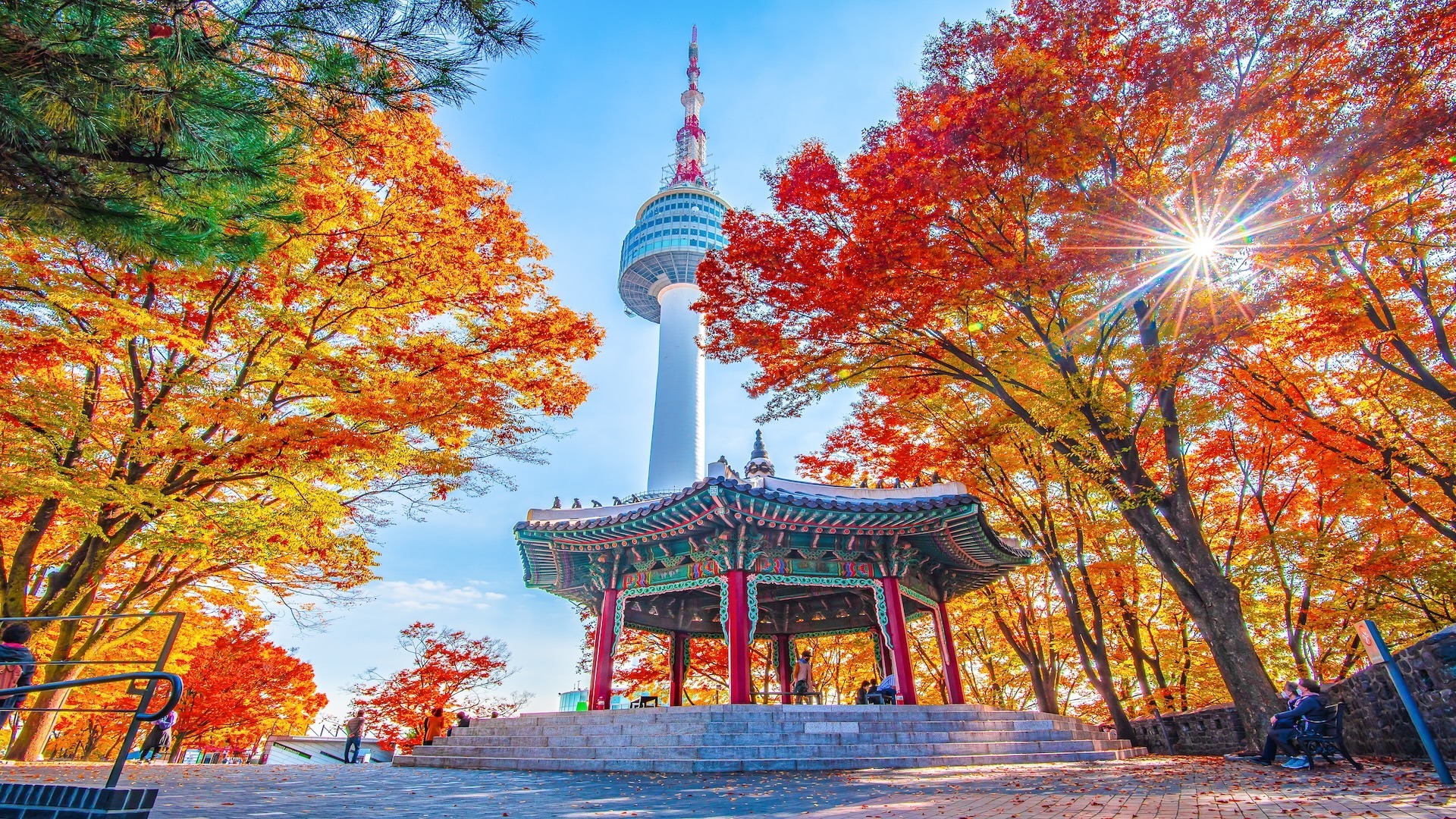
The Korea Tourism Organization has actively leveraged the group’s image in international marketing campaigns to maintain interest in South Korean travel destinations. By associating high-traffic tourist sites with the band’s music videos and social media content, the organization aims to convert international fan interest into physical travel. These efforts are part of a broader national strategy to diversify the South Korean economy away from traditional manufacturing and toward high-value service and cultural industries.
Maintaining Momentum During Military Service
South Korean law requires all able-bodied men to serve in the military for approximately 18 to 21 months. As of 2024, the members of BTS are in various stages of this mandatory military service, a period that has naturally slowed the production of new group content. However, the economic impact remains resilient due to the depth of the group’s back catalog and the sustained engagement of their fan base, known as ARMY.
Market analysts note that the current period serves as a test of the brand’s sustainability. Unlike traditional pop acts that rely on constant touring, the BTS business model has successfully transitioned into a multi-generational intellectual property asset. According to reports from Reuters, the agency behind the group, HYBE, has pivoted toward solo projects and archival releases to ensure that the economic contribution remains stable throughout the members’ absence. This diversification strategy is intended to mitigate the risks typically associated with talent-dependent entertainment companies.
Tourism and the Future of Soft Power
The South Korean government continues to view cultural exports as a pillar of its future economic growth. The Ministry of Culture, Sports and Tourism has consistently allocated budgets to support the globalization of K-content, recognizing that the “BTS effect” provides a blueprint for other cultural entities to follow. By fostering an environment where pop culture is integrated into national branding, policymakers hope to ensure that the interest generated today translates into long-term diplomatic and commercial partnerships.
/images/2023/08/28/nfl-fan-spending-2023-1.png "Tourism and the Future of Soft Power")
For international fans and potential visitors, the government provides official travel resources through the Visit Korea website. These platforms offer localized information on filming locations and cultural events, serving as a direct link between the digital fan experience and the physical South Korean economy. As the global landscape for entertainment shifts, the ability of a single cultural entity to influence national economic indicators remains a subject of intense focus for both investors and government economists.
The next major checkpoint for the group’s return to full-ensemble activities is anticipated in 2025, following the completion of service for all seven members. Stakeholders in the tourism and entertainment sectors will be watching for official updates from HYBE regarding the timeline for the group’s resumption of large-scale international projects. Readers are encouraged to monitor official announcements from the HYBE Corporation for the most accurate information regarding future tours and releases.