
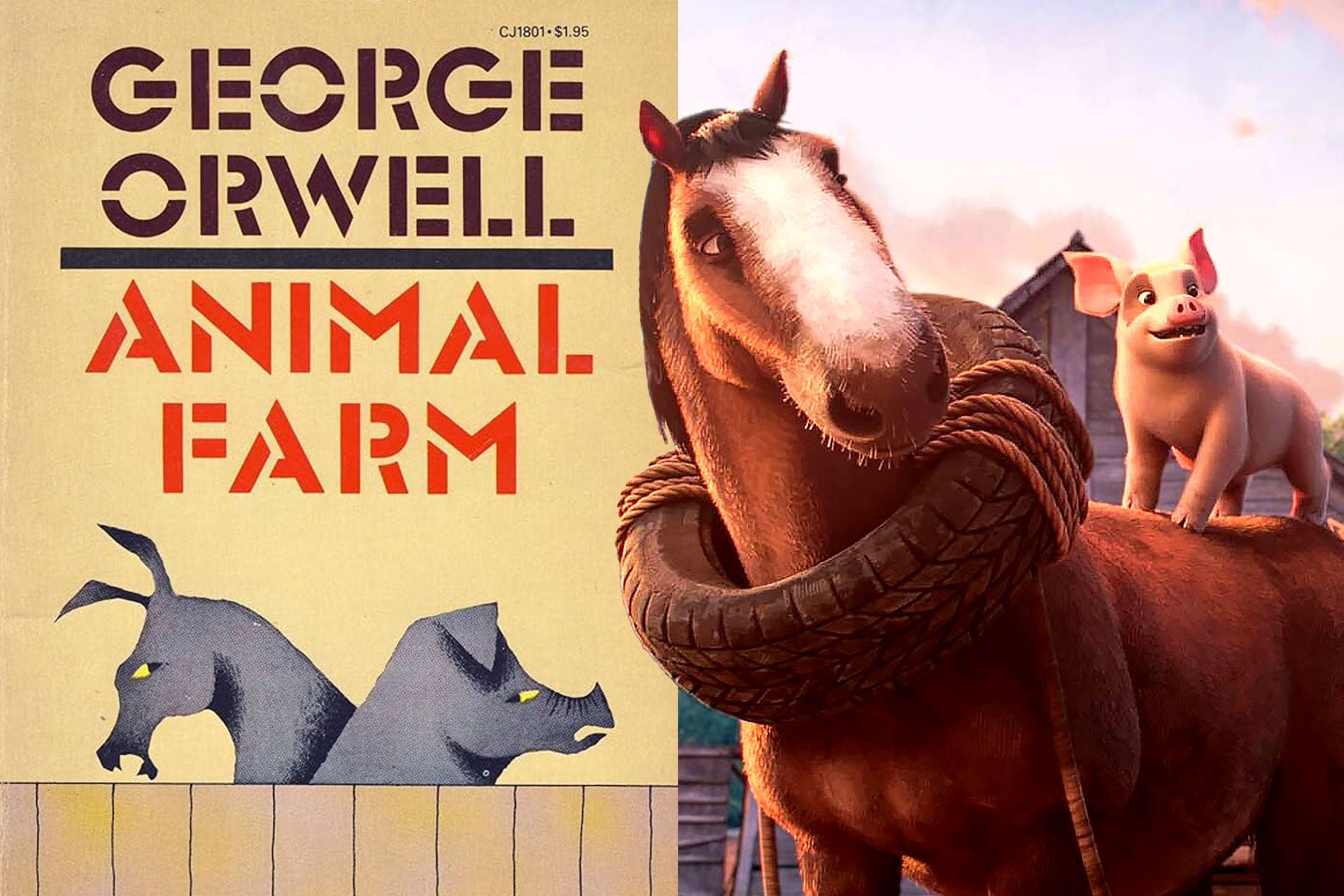
The intersection of cinema and political propaganda has a long, often clandestine history, but few examples are as striking as the legacy of George Orwell’s Animal Farm. Decades after the first animated adaptation was quietly steered by the intelligence community, a new version of the satirical allegory has arrived, shifting the narrative lens once again to suit a modern ideological landscape.
The latest animated adaptation of Animal Farm, directed by Andy Serkis, was released in theaters on May 1, 2026, via Angel Studios. Whereas the film boasts an ensemble voice cast including Seth Rogen, Glenn Close, and Woody Harrelson, it has sparked immediate controversy among critics and scholars. The friction centers on whether the film preserves Orwell’s critique of totalitarianism or pivots toward a different political target entirely.
For those following the business of “parallel cinema”—the growing movement of studios catering specifically to conservative or faith-based audiences—the acquisition of this project by Angel Studios is a significant marker. The studio, known for its crowdfunding model and focus on “amplifying light,” has stepped into the fray of prestige literary adaptation, bringing a specific ideological framework to a story that has historically been used as a weapon against the far left.
A Legacy of Intelligence: The CIA’s First Intervention
To understand the weight of the current adaptation, one must look back to 1954. The first feature-length animated version of Animal Farm was not merely a creative endeavor; it was a strategic operation. According to historical records, the film was funded in part by the Central Intelligence Agency (CIA).
Operating through the Office of Policy Coordination—a branch of the CIA dedicated to cultural warfare against communism—the agency didn’t just provide the capital. They actively influenced the script. The goal was to transform Orwell’s nuanced critique of power into a blunt instrument of anti-Soviet propaganda during the height of the Cold War. This historical precedent establishes Animal Farm as a text that is rarely “just a story” when it hits the screen; it is almost always a reflection of the prevailing geopolitical anxieties of its producers.
The 2026 Adaptation: A Shift in Target
The 2026 film directed by Andy Serkis arrives in a vastly different cultural climate. While the 1954 version targeted the Soviet Union, early reviews and reports suggest the new adaptation may be repositioning the story’s targets. Some critics have argued that the film abandons Orwell’s core message
in favor of a different political agenda.

Reports from outlets like The Telegraph indicate that the screenplay may have been rewritten to pivot the critique toward capitalism rather than the specific brand of state socialism Orwell targeted. This shift has led to accusations that the film is a “dumbed-down” version of the novella, replacing political complexity with modern colloquialisms and a modified ending. Some reviewers have noted the inclusion of anachronistic slang—such as characters using phrases like totally rad
—which critics claim undermines the gravity of the original allegory.
The involvement of Angel Studios adds another layer to the discourse. By distributing a film that some argue critiques capitalism, the studio—which typically appeals to a conservative base—finds itself in a paradoxical position. This has led to a divide between those who see the film as a daring exploration of power and those who view it as a distortion of a literary masterpiece.
Voice Cast and Production Details
Despite the political firestorm, the production value of the film remains high, leveraging Serkis’ expertise in motion capture and character-driven storytelling. The voice cast is extensive, featuring several high-profile actors:
- Seth Rogen
- Glenn Close
- Woody Harrelson
- Kieran Culkin
- Gaten Matarazzo
- Laverne Cox
The film was produced by Adam Nagle and Dave Rosenbaum for Aniventure, alongside Jonathan Cavendish for Imaginarium Productions, with animation handled by Cinesite. It made its world premiere in June 2025 at the Annecy Animation Film Festival before its wide theatrical release this month.
Why This Matters for the Global Market
From a business perspective, the release of this film signals a broader trend in the entertainment industry: the fragmentation of the “mainstream” audience. We are seeing the rise of studios that do not seek universal appeal but instead target specific ideological silos. When a studio like Angel Studios acquires a property as globally recognized as Animal Farm, they are not just selling a movie; they are selling a particular interpretation of history and power.
This “ideological branding” creates a volatile market for adaptations. When a story is as flexible as Orwell’s allegory, it becomes a mirror. In 1954, the mirror reflected the fear of the Red Scare. In 2026, it reflects the polarized battle between capitalist critiques and conservative traditionalism. For the global audience, the value of the film may lie less in its fidelity to the book and more in its role as a catalyst for debate over who controls the narrative of “truth” in the digital age.
Key Comparison: 1954 vs. 2026
| Feature | 1954 Adaptation | 2026 Adaptation |
|---|---|---|
| Primary Funding/Dist. | CIA (via Office of Policy Coordination) | Angel Studios |
| Core Political Target | Soviet Communism | Reported shift toward Capitalism/Modern Power |
| Narrative Tone | Cold War Propaganda | Modern Satire / Contemporary Dialogue |
| Key Creative | Halas & Batchelor | Andy Serkis |
What Happens Next
As the film continues its theatrical run, the industry will be watching the box office numbers closely to see if “ideological cinema” can translate critical controversy into commercial success. The primary metric of success for Angel Studios will likely be whether the film resonates with its core community or if the perceived departure from Orwell’s original intent alienates the very audience they seek to attract.
The next major checkpoint for the film will be the upcoming awards cycle and the potential for a streaming release, which typically follows the theatrical window for Angel Studios’ projects. Whether this film is remembered as a visionary update or a cautionary tale of creative interference remains to be seen.
We aim for to hear from you: Does a political adaptation of a classic novella enhance its relevance, or does it strip the function of its universal truth? Share your thoughts in the comments below.