
As a physician based in Berlin, I often see patients grappling with the intersection of their physical health and their emotional well-being. A common question that arises in clinical practice—and one that frequently surfaces in public discourse—is whether our psychological state, particularly our ability to express ourselves or manage stress, can influence the development or severity of allergic conditions. Understanding how the immune system functions is the first step in demystifying these complex health links.
When we discuss the body’s allergic immune response, we are essentially looking at a system that has become hypersensitive to external triggers. While the popular notion of “emotional intelligence of the body” is a frequent topic in wellness circles, We see important to ground our understanding in the established science of immunology. Allergies occur when the immune system mistakenly identifies a harmless substance—such as pollen, pet dander, or specific proteins in food—as a dangerous invader, triggering a cascade of inflammatory reactions.
The Physiology of the Immune Response
The immune system is a highly sophisticated network of cells, tissues, and organs designed to defend the body against pathogens. In individuals with allergies, this defense mechanism is overactive. According to the American Academy of Allergy, Asthma & Immunology, the primary driver of the allergic response is an antibody known as Immunoglobulin E (IgE). Upon exposure to an allergen, the immune system produces IgE antibodies, which signal cells to release chemicals like histamine, leading to the familiar symptoms of sneezing, itching, or, in severe cases, anaphylaxis.
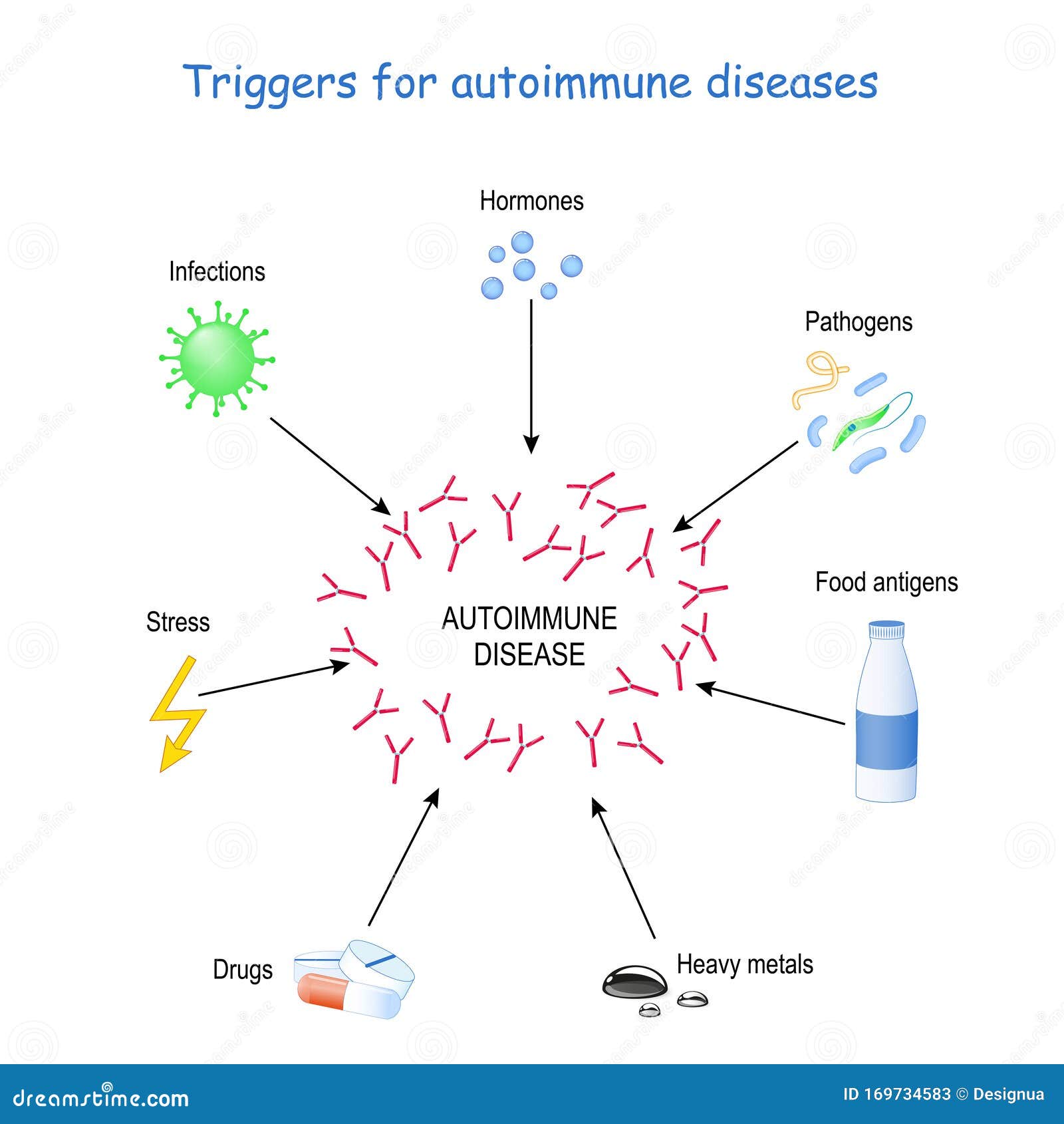
While the biological mechanism is well-documented, the role of stress and psychological state has been the subject of significant clinical research. It is widely acknowledged that psychological stress can influence the body’s inflammatory pathways. Chronic stress can alter the way the immune system operates, potentially exacerbating the symptoms of existing conditions like asthma or eczema. However, it is vital to distinguish between a psychological “trigger” and the underlying genetic or environmental causes of an allergy.
Addressing the Mind-Body Connection
The idea that “asserting oneself” or managing emotional boundaries could alleviate allergic symptoms is often framed within the context of stress reduction. By lowering systemic inflammation and cortisol levels through improved emotional regulation, patients may experience a decrease in the frequency or intensity of their flare-ups. This is not to suggest that allergies are purely psychosomatic, but rather that the body functions as an integrated whole.
Medical professionals emphasize that while mindfulness and emotional awareness are valuable tools for overall health, they are not substitutes for evidence-based medical interventions. For those suffering from allergic rhinitis, food allergies, or skin conditions, the gold standard remains identifying the specific allergen through testing and following a prescribed treatment plan, which may include antihistamines, immunotherapy, or avoidance strategies as recommended by specialized clinicians.
Evidence-Based Management Strategies
If you are struggling with persistent symptoms, the most effective approach is to seek guidance from a board-certified allergist or immunologist. These specialists can provide skin prick tests or blood tests to pinpoint the exact source of your discomfort. Relying on scientific data ensures that you are managing your health with the most accurate information available.
Key Takeaways for Patients
- Consult a Specialist: Always seek formal diagnosis from an immunologist to differentiate between environmental allergies and other potential health issues.
- Stress as a Modulator: While stress does not cause allergies, it can exacerbate the inflammatory response; managing mental health is a legitimate component of holistic care.
- Evidence-Based Care: Avoid unconventional treatments that lack clinical validation. Stick to protocols supported by major medical organizations.
- Monitor Triggers: Keep a journal of your symptoms to help your doctor identify patterns related to your environment or lifestyle.
As we continue to learn more about the complexities of the human immune system, the conversation surrounding emotional intelligence and physical health will undoubtedly evolve. For now, maintaining a balanced lifestyle, managing stress, and adhering to professional medical advice remain the most reliable ways to navigate life with allergies. I encourage our readers to share their experiences in the comments section below and look forward to our next deep dive into the latest developments in medical science.
Note: This article is for informational purposes and does not replace professional medical advice. For your next steps, please consult your local health authority or a primary care physician to schedule an allergy evaluation.
Worth a look