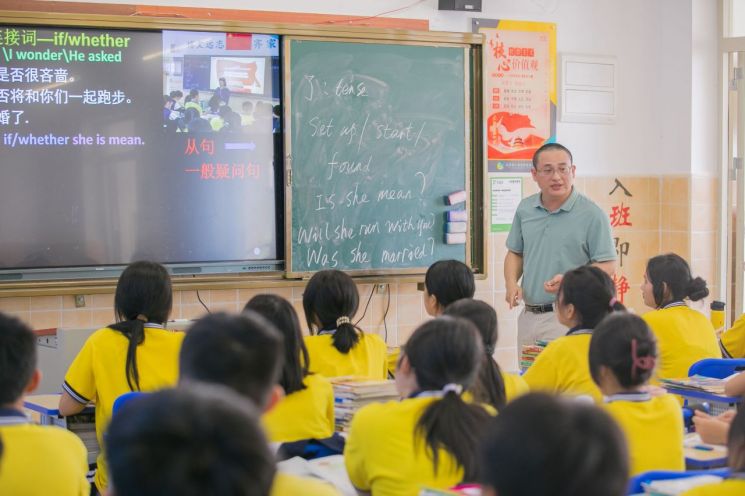
Chinese primary school students are increasingly facing intense academic pressure, with some families beginning rigorous study routines as early as age 10 to secure competitive placements in “key” middle schools. This hyper-competitive environment, often characterized by predawn starts and late-night study sessions, has drawn scrutiny from both educators and policymakers regarding the long-term impacts on student well-being and social development.
In major urban centers, the race for elite educational opportunities creates a high-stakes atmosphere that begins long before the transition to secondary education. Parents often view admission into top-tier general high schools as the definitive gateway to university success and future socioeconomic stability. This mindset drives a cycle of extracurricular tutoring and extended school days that leaves little room for rest, a phenomenon that has sparked ongoing debate within Chinese society about the necessity and consequences of such extreme academic rigor.
The Mechanics of Academic Overdrive
The pressure to perform in the Chinese education system is heavily influenced by the structure of the national curriculum and the significance of standardized testing. According to reports from Reuters, the Chinese government introduced the “Double Reduction” policy in 2021, which aimed to alleviate the burden of excessive homework and off-campus tutoring on primary and middle school students. Despite these regulatory efforts, the cultural demand for academic excellence remains high, with many families continuing to seek private instruction or supplemental learning materials to maintain a competitive edge.

Students in these environments typically endure days that begin before sunrise and conclude well after traditional work hours. The exhaustion associated with this schedule is a frequent topic of concern among pediatricians and child psychologists, who note that chronic sleep deprivation can negatively affect cognitive function and emotional regulation. While the Ministry of Education has periodically issued guidelines to limit school hours and homework volume, implementation varies significantly by province and local school district, leading to an uneven landscape of student welfare across the country.
Societal Impacts and Regulatory Responses
The intense focus on academic achievement is not without its social costs. Increased competition for limited spots in elite schools has been linked to rising levels of anxiety among both students and parents. Furthermore, authorities have expressed concern over how this pressure manifests in broader society, occasionally citing it as a factor in youth behavioral issues. The State Council of China continues to emphasize the need for a more balanced approach to education, advocating for holistic development that includes physical activity and mental health support, though the transition away from a test-centric culture remains a complex, ongoing process.
The phenomenon is often compared to similar academic pressures seen in other East Asian nations, where the “education fever” is a deeply ingrained cultural and economic driver. However, the scale of the Chinese system—with millions of students graduating annually—means that policy shifts at the national level require significant time to filter down to the local classroom. Parents and educators are currently navigating a tension between the traditional drive for high test scores and the government’s push for “quality education,” which prioritizes critical thinking and broader skill acquisition over rote memorization.
Future Outlook for Chinese Students
What happens next depends largely on the consistency of enforcement regarding school hours and the success of reforms aimed at de-emphasizing standardized test rankings in primary school admissions. Recent updates from the Ministry of Education of the People’s Republic of China indicate that the government intends to continue monitoring the effectiveness of the “Double Reduction” policy while exploring new models for middle school enrollment that do not rely solely on competitive entrance exams.

For families, the challenge remains balancing the desire for academic success with the physical and mental health of their children. Observers suggest that as the labor market evolves, the definition of success in China may gradually shift away from the singular pursuit of elite academic credentials. Until then, the early-morning commute and the late-night study light remain common features of the school-age experience for many children in China’s most populous cities.
As these policies continue to evolve, updates from local education bureaus will provide the clearest indicators of how individual school districts are adapting their daily operations. Readers interested in the long-term trajectory of these reforms should monitor official announcements from the Ministry of Education and local provincial government portals. We invite our readers to share their perspectives on the balance between academic rigor and student well-being in the comments section below.