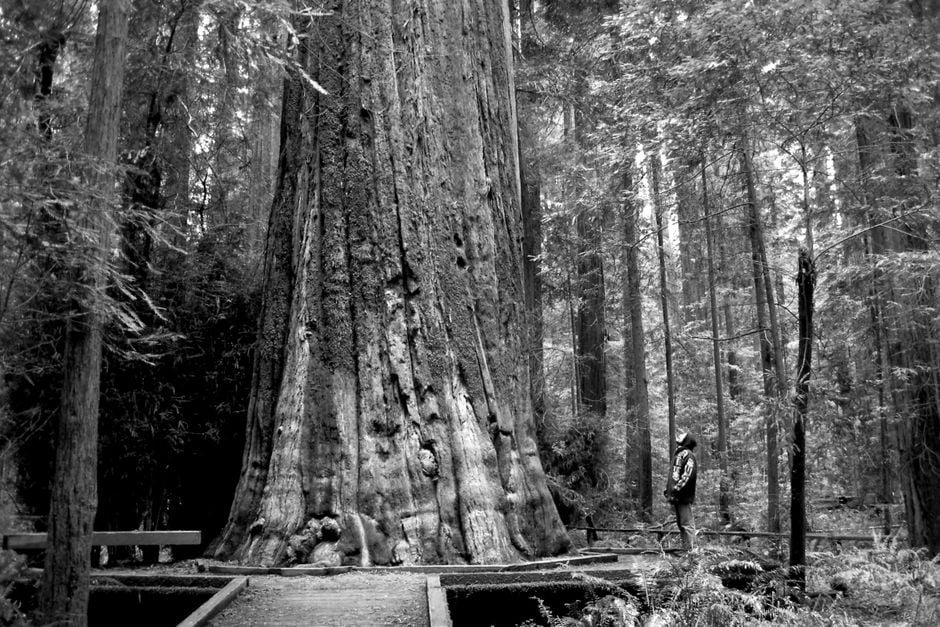
In the quiet, mist-shrouded corridors of Redwood National Park, some of the world’s most impressive natural wonders remain intentionally obscured from public view. Among these is a specific coast redwood tree that, when measured in August 2006, reached a staggering height of approximately 380 feet. The discovery of this record-breaking giant—now widely known as Hyperion—marked a significant milestone in our understanding of botanical limits, yet its precise coordinates remain a closely guarded secret by the National Park Service (NPS).
As a technology editor, I often look at the intersection of innovation and preservation. While we frequently celebrate the ability to map every corner of the globe via satellite, there is a profound case for digital and physical silence. The decision to keep Hyperion’s location off-limits is a deliberate strategy to protect a fragile ecosystem from the dangers of unchecked human curiosity. According to the National Park Service, the tree is located in a remote area of the park, and the extreme foot traffic that would inevitably follow a public reveal poses a direct threat to the tree’s root system and the surrounding forest floor.
The Science of Discovery and Protection
The discovery of Hyperion was not a matter of chance, but of precision measurement. Naturalists Chris Atkins and Michael Taylor utilized advanced laser rangefinding technology to capture the tree’s height, which was verified at 379.7 feet at the time of the initial report. This measurement technique represented a significant upgrade over traditional mechanical methods, allowing researchers to accurately gauge the stature of the world’s tallest trees without needing to climb to the very top, a process that can be both dangerous and invasive.

However, the rapid influx of visitors seeking out “the world’s tallest tree” created immediate management challenges. The National Park Service has since implemented a formal closure of the area surrounding the tree to prevent further environmental degradation. This closure is not merely a suggestion; We see a regulatory mandate enforced to protect the site. Visitors who attempt to venture off-trail in search of the tree face potential fines and, more importantly, contribute to the erosion and soil compaction that threaten the health of the very giants they wish to see.
Why Anonymity is the Best Policy
In our modern era of “location sharing” and social media geotagging, the concept of a restricted, unmapped location can feel counterintuitive. Yet, the NPS strategy serves as a masterclass in conservation. By refusing to publish the exact location of Hyperion, authorities have successfully mitigated the “social media effect,” where viral posts lead to thousands of visitors trampling sensitive habitats.
For those interested in the majesty of the California redwoods, the National Park Service encourages visitors to explore the many marked trails and groves that are open to the public. These areas offer a genuine experience of the forest’s grandeur without the environmental cost of seeking out a single, protected specimen. The official Redwood National and State Parks website provides comprehensive guides for responsible tourism, ensuring that the forest remains resilient for generations to come.
Key Takeaways for Redwood Enthusiasts
- Regulatory Protection: The area around Hyperion is officially closed to the public by the National Park Service to prevent ecological damage.
- Conservation Over Curiosity: Soil compaction caused by off-trail foot traffic is a primary threat to the shallow root systems of coast redwoods.
- Legal Consequences: Unauthorized entry into closed areas of the park can result in significant fines and legal action.
- Alternative Exploration: The park system provides extensive resources for visiting publicly accessible, majestic groves that do not require off-trail travel.
As we continue to advance our technological capabilities in mapping and data collection, we must also refine our ethical approach to conservation. Sometimes, the most responsible use of technology is to keep certain data private, ensuring that the natural world is not loved to death. For the latest updates on park trail closures and safety advisories, I recommend checking the official park conditions page before planning your next trip to the North Coast.

Have you visited the redwoods and experienced the awe of these towering ecosystems? Share your thoughts on the balance between public access and environmental preservation in the comments below.