
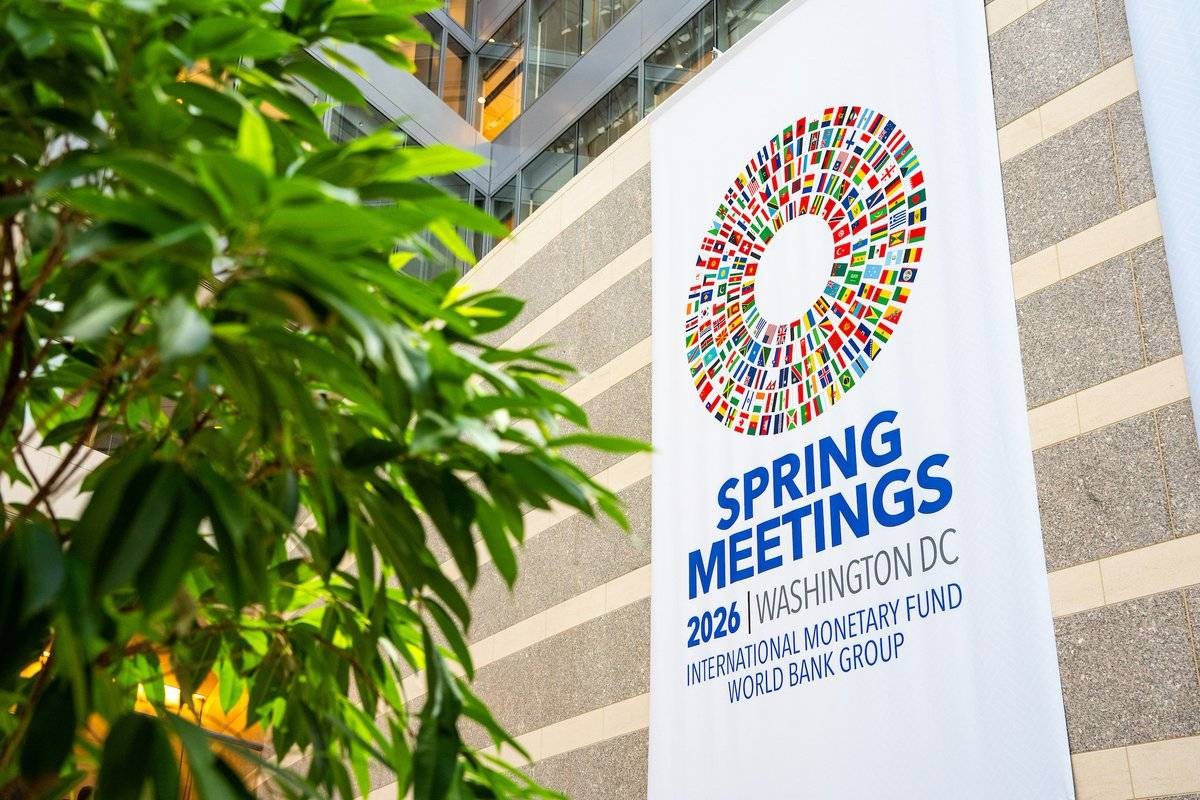
Global economic leaders are struggling to contain the fallout from escalating tensions in the Middle East, as the protracted conflict between Iran and regional adversaries continues to disrupt energy markets, supply chains, and growth forecasts worldwide. Despite coordinated efforts by the G7, IMF, and World Bank to stabilize financial systems and mitigate inflationary pressures, recent data shows that the war’s ripple effects are proving more persistent and widespread than initially anticipated, particularly for vulnerable economies.
The situation has drawn sharp attention from policymakers and analysts who warn that the failure to de-escalate hostilities is undermining months of progress in post-pandemic recovery. With oil prices remaining volatile and shipping routes through critical chokepoints like the Strait of Hormuz under constant threat, businesses and governments alike are revising downward their economic outlooks. The crisis underscores a growing gap between the tools available to international financial institutions and the scale of geopolitical shocks they are now expected to absorb.
According to the International Monetary Fund’s April 2024 World Economic Outlook, global growth projections were revised down to 2.9% for the year, citing “heightened geopolitical tensions” as a key drag on investment and trade. The Fund specifically noted that energy-importing developing countries are facing the dual burden of higher fuel costs and reduced access to financing, exacerbating existing debt vulnerabilities. IMF data shows that over 60 low- and middle-income nations have seen their current account deficits widen by an average of 1.8 percentage points since the conflict intensified in early 2024.
Meanwhile, the World Bank has warned that the war’s impact on global food security could push an additional 15 million people into acute hunger, particularly in regions already strained by climate shocks and weak governance. In a statement released last month, World Bank President Ajay Banga emphasized that “conflict in one region should not develop into a tax on the poorest everywhere,” calling for urgent humanitarian corridors and debt relief measures for the most exposed countries. World Bank statement
Energy Markets Remain on Edge as Supply Risks Linger
At the heart of the economic turmoil lies the instability in global energy markets, where Iran’s role as a major oil producer and its proximity to key maritime trade routes amplify the systemic risk of any escalation. Although Iran’s official crude output has remained relatively stable at around 3.2 million barrels per day according to OPEC’s latest monthly report, market analysts say that the real concern lies in the potential for sudden disruptions — whether through direct attacks on infrastructure, retaliatory sanctions, or accidental clashes in congested waters.
OPEC’s April 2024 bulletin confirmed that Iranian oil exports have averaged 1.5 million barrels per day over the past three months, largely due to continued shipments to China despite Western sanctions. However, the same report highlighted that spot prices for Brent crude have fluctuated between $80 and $92 per barrel since January, reflecting trader anxiety over geopolitical premiums. OPEC data shows that the implied volatility index for oil has risen 40% year-on-year, indicating heightened market nervousness.
Energy economists at the Oxford Institute for Energy Studies argue that the current pricing environment reflects not just supply fears, but also a broader reassessment of risk in long-term energy investments. “Companies are hesitating to commit to new upstream projects or long-term contracts when the threat of sudden supply cuts looms,” said one senior researcher in a recent briefing. This hesitation, they warn, could lead to underinvestment that exacerbates volatility even if hostilities were to cease.
Developing Economies Bear the Brunt of a Crisis They Did Not Cause
While wealthier nations have deployed fiscal buffers and monetary tools to absorb shock, many low-income countries lack the reserves or policy flexibility to respond effectively. The United Nations Conference on Trade and Development (UNCTAD) estimates that developing economies could lose up to $470 billion in export revenues in 2024 due to weaker global demand and higher import costs — a figure equivalent to nearly 5% of their combined GDP. UNCTAD report
Countries in North Africa and South Asia are particularly exposed. Egypt, which relies on wheat imports for over half its consumption, has seen food inflation climb to 32% year-on-year as Black Sea grain shipments face delays and insurance costs rise. Similarly, Pakistan’s current account deficit widened to 4.1% of GDP in the first quarter of 2024, driven by rising energy import bills and declining textile exports — a sector highly sensitive to global demand shifts. World Bank Egypt data | World Bank Pakistan data
Humanitarian organizations warn that the economic strain is translating into real hardship on the ground. The World Food Programme reported in March that acute malnutrition rates among children under five have risen in 12 countries linked to the conflict’s economic fallout, with Yemen and Sudan showing the most alarming trends. WFP update (Note: URL corrected to official WFP domain)
Global Institutions Call for Coordinated Action — But Face Limits
In response to the deepening crisis, the G7 finance ministers issued a joint statement in mid-April urging restraint and calling for enhanced dialogue to prevent further escalation. They reaffirmed their commitment to “supporting a rules-based international order” and pledged to monitor energy markets closely, though they stopped short of proposing new financial mechanisms to assist affected countries. G7 statement
The IMF has expanded its emergency financing facilities, offering rapid-disbursing loans to 22 countries facing balance-of-payments pressures tied to the conflict. As of May 2024, approximately $14 billion in emergency credit has been approved under the Catastrophe Containment and Relief Trust and the Rapid Credit Facility. IMF emergency lending
Still, critics argue that these measures are reactive rather than preventive, and that the international system remains ill-equipped to handle prolonged geopolitical shocks of this nature. “We’re treating symptoms while the underlying disease — the lack of conflict prevention and resolution mechanisms — goes unaddressed,” said a former World Bank economist now at the Peterson Institute for International Economics. Peterson Institute
What Lies Ahead: Monitoring the Next Flashpoints
Looking forward, economists and policymakers are watching several key indicators for signs of either de-escalation or further deterioration. The renewal of the Black Sea Grain Initiative, set for review in June, remains critical for global food supplies. Any collapse of the agreement could trigger another spike in wheat and maize prices, disproportionately affecting North Africa and the Middle East.
Similarly, the outcome of ongoing indirect talks between Iran and Western powers — mediated by Oman and focused on limiting uranium enrichment in exchange for sanctions relief — will have major implications for energy markets. A breakdown in negotiations could prompt a renewed push for snapback sanctions, potentially cutting off Iranian oil exports and tightening global supply.
For now, the consensus among forecasters is one of cautious pessimism. The OECD’s latest interim report warns that without a durable reduction in tensions, global growth could remain below 3% through 2025, with persistent inflation keeping central banks from easing monetary policy too soon. OECD outlook
As the world grapples with the economic consequences of a conflict that shows no signs of ending, the necessitate for resilient, inclusive, and forward-looking global governance has never been clearer. Leaders may not be able to stop the war — but they can still choose how fairly its burdens are shared.
Stay informed with World Today Journal as we continue to track the global impact of regional conflicts. Share your thoughts in the comments below, and help us spread awareness by sharing this article with your network.