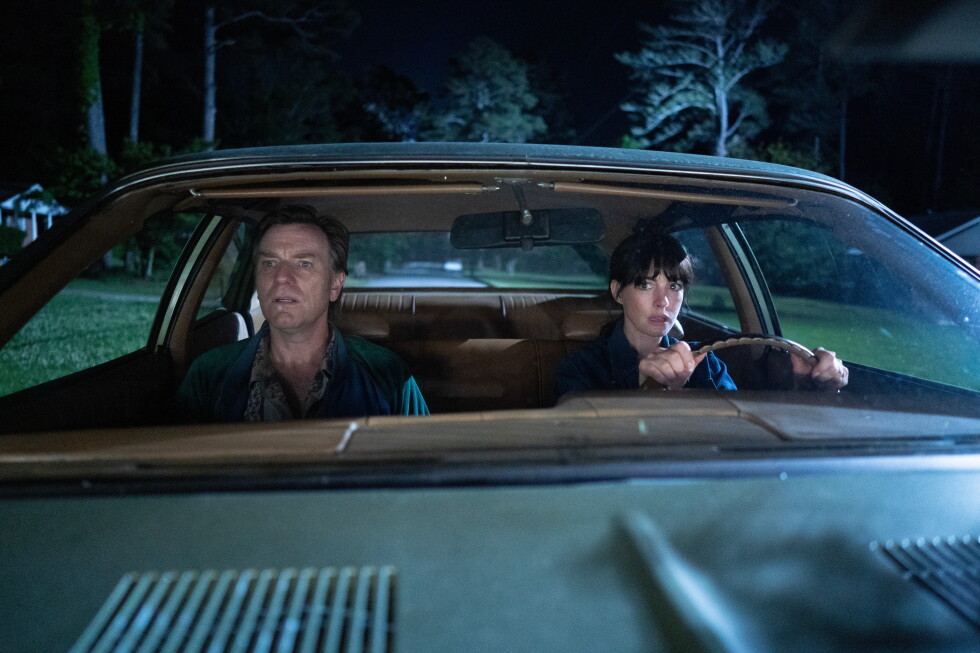
Written and directed by David Robert Mitchell, the 1982-set sci-fi adventure The End of Oak Street stars Anne Hathaway and Ewan McGregor as parents whose suburban neighborhood is suddenly transported back into a prehistoric world filled with dinosaurs, blending earnest family drama with massive action set pieces.
Summer blockbusters are rarely known for subtlety, but David Robert Mitchell’s latest feature arrives as a mid-August surprise that breaks conventional mold. The film finds its footing by taking an absurd, high-concept premise—an ordinary American cul-de-sac thrust backward through time into a jungle of primordial beasts—and anchoring it with genuine domestic friction.
The Platt Family Dynamics in Summer 1982
Set against the backdrop of the summer of 1982, the story centers on the Platt family living in a tidy neighborhood that resembles the San Fernando Valley. The household is far from idyllic. Greg, played by Ewan McGregor, works a side job delivering pizzas while trying to stay optimistic. Denise, portrayed by Anne Hathaway, struggles to keep the family together while secretly typing an aspirational novel about a woman dreaming of leaving her family.
The family also includes teenagers Audrey, played by Maisy Stella, and Brian, played by Christian Convery, alongside a dog named Starbuck. Right from a neighborhood fair early in the runtime, cracks in the household are evident. The children suspect their parents are heading toward divorce, and both Greg and Denise harbor similar fears. As bangkokpost.com notes, the film balances its grand sci-fi concept with an intimate, emotional narrative that makes audiences care about the characters before chaos breaks loose.
When Prehistoric Beasts Invade Suburbia
The transition from quiet domestic drama to prehistoric survival happens through mysterious signs: a sudden flash of light, an exotic flower in a neighbor’s yard, and giant mounds of feces. Oak Street abruptly becomes a suburban island surrounded by a dense jungle. Rather than keeping characters trapped on an isolated research facility island—a trope familiar from decades of franchise films since the original 1993 release of Jurassic Park—the narrative brings the dinosaur threat directly onto front porches and shag carpets.
Director David Robert Mitchell leans into tension and atmosphere rather than immediate monster mayhem. Through the cinematography of Michael Gioulakis, every frame builds anticipation by catching movement in the background or lingering on objects that matter later. When the action does escalate, characters fight back with unexpected tools.
Throwback Style and Retro Soundtracks
The production embraces its 1982 setting with rotary telephones, cassette tapes, period-appropriate costumes designed by Erin Benach, and retro suburban architecture. Composer Michael Giacchino delivers a score that channels the style of John Williams, reinforcing the Amblin-era popcorn blockbuster feel.
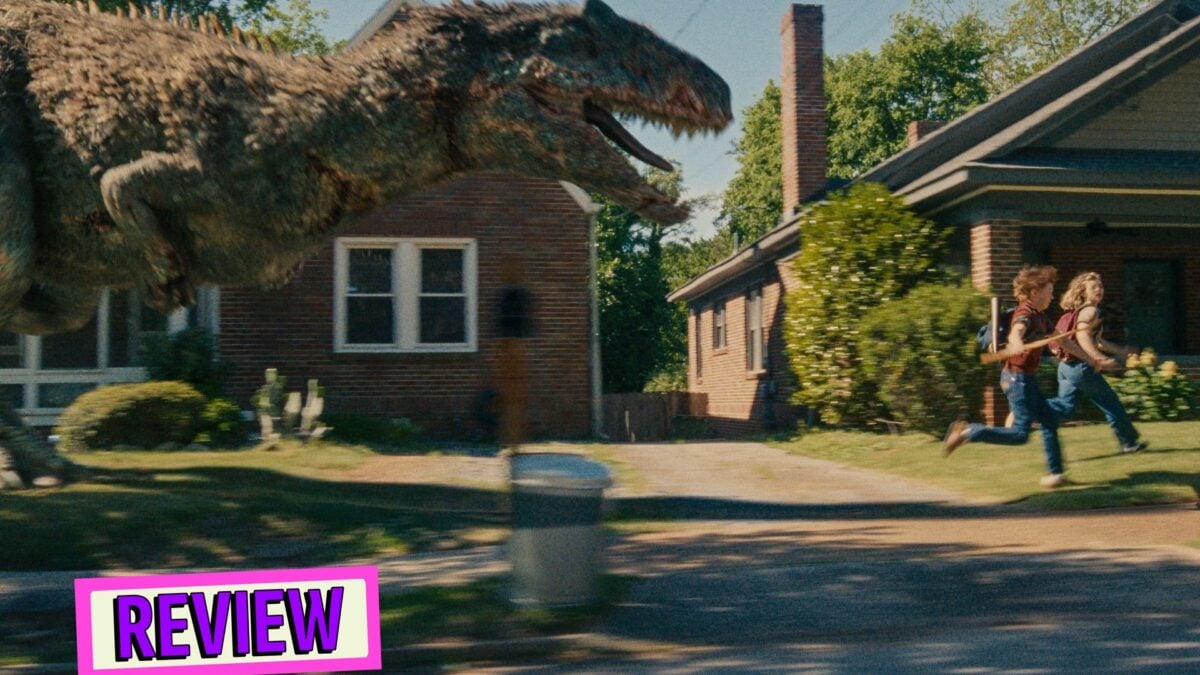
In one standout moment, a panicked Audrey sneaks into a car to pop a cassette tape into the deck, listening to Steve Winwood’s Valerie
while prehistoric threats loom outside. While the tonal shifts between quiet suburban angst and sudden zero-to-one-hundred action beats occasionally create uneven pacing, the sheer entertainment value carries the journey.
Overcoming Dinosaur Fatigue Through Sincerity
Following poorly received entries like the 2025 release Jurassic World Rebirth, audience fatigue regarding dinosaur thrillers is a recognized hurdle. Yet The End of Oak Street succeeds by prioritizing character sincerity over franchise formula.
Viewers looking for pure horror in the vein of Mitchell’s 2014 breakthrough film It Follows may find the PG-13 adventure leans more toward absurdism and family-friendly thrills than outright terror. Ultimately, the film proves that a familiar neighborhood and grounded emotional stakes can revitalize a genre that has spent more than thirty years on the silver screen.
Keep reading