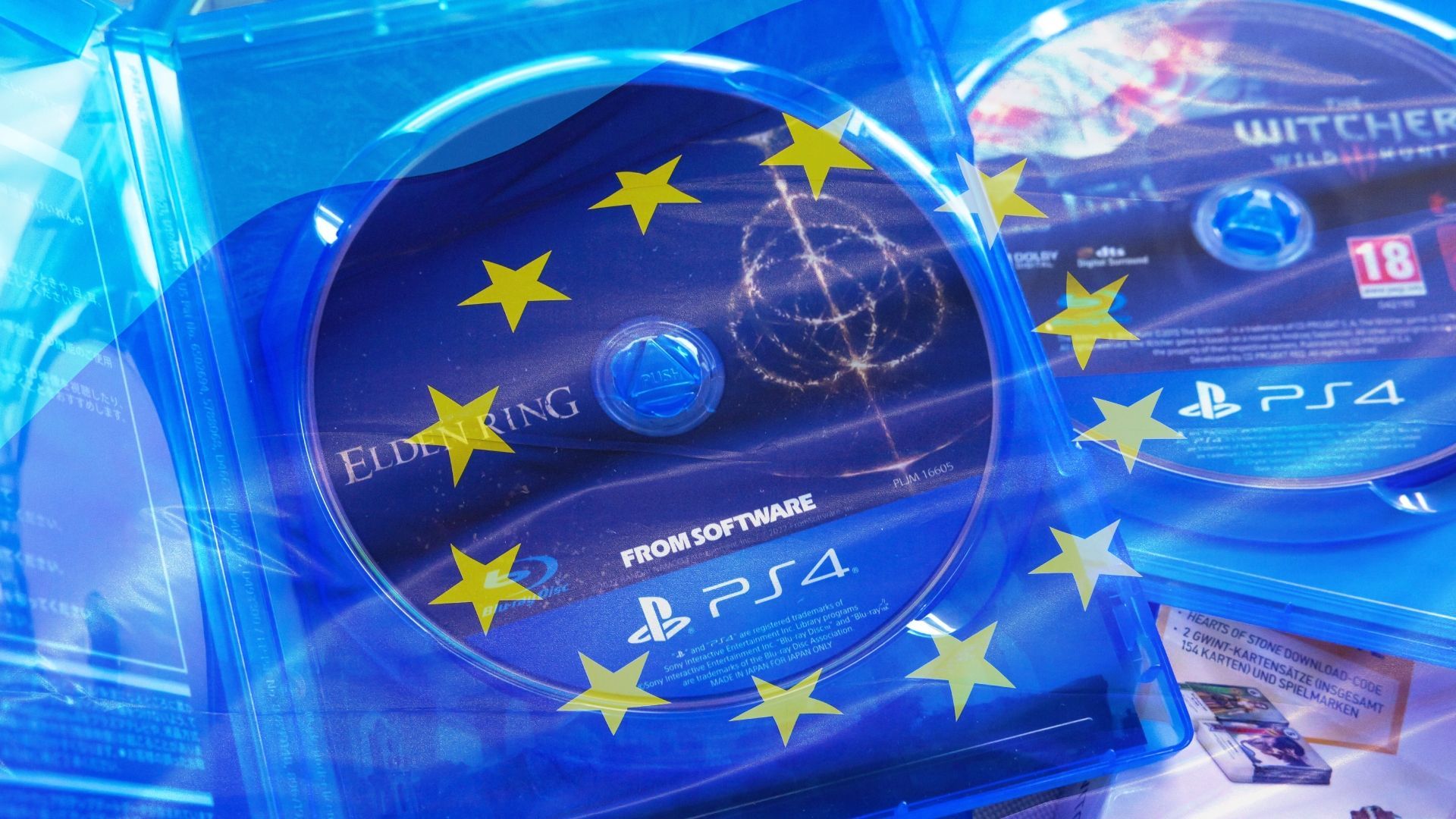
The transition toward all-digital gaming libraries has sparked a significant legal and consumer rights debate in Europe, centered on whether consumers truly own the software they purchase. As major publishers and hardware manufacturers increasingly move away from physical media, regulators are facing mounting pressure to determine if current consumer protection laws are sufficient to safeguard users from the potential loss of access to their digital collections.
The debate has gained traction following recent antitrust activity, including a notable legal challenge in the Netherlands. A lawsuit involving Sony and claims of anti-competitive behavior related to digital distribution platforms has highlighted the friction between platform control and consumer rights. While the shift to digital storefronts allows for instant access and convenience, it also centralizes control, leaving consumers vulnerable if a platform decides to revoke access to previously purchased titles.
For many, the physical disc has long served as a guarantee of ownership and the ability to resell or trade games. However, as hardware manufacturers release “digital-only” consoles and prioritize subscription-based models, the secondary market for physical media is shrinking.
Legal Challenges and Antitrust Scrutiny
The question of whether European regulators can intervene rests on the interpretation of existing digital rights and competition laws. Unlike a physical book or a vinyl record, a digital game is often classified as a “license to use” rather than personal property.

In the Netherlands, legal proceedings have brought attention to the power dynamics between platform holders and the gaming public. Legal experts tracking these developments observe that while antitrust laws can address monopolistic behavior, they are not necessarily designed to force companies to maintain support for physical hardware. The European Union has historically prioritized consumer transparency, but whether this extends to mandating the continued production of physical media is widely considered unlikely by industry observers.
The Future of Independent Retail
For independent video game retailers, the decline of physical media represents a fundamental change to their business model. Many shop owners are diversifying their revenue streams, focusing on retro gaming, collectibles, and hardware repairs to survive the transition. In local markets across France and Belgium, retailers have reported that while new physical game sales are declining, demand for older, tangible formats remains a stable niche.
The shift also impacts the preservation of gaming history. Digital-only libraries are subject to server shutdowns, licensing expirations, and account suspensions. Once a digital storefront closes, users may lose the ability to download their purchased games, a scenario that has already occurred with the closure of older console digital shops.
Regulatory Outlook and Consumer Rights
Looking ahead, the European approach to digital game ownership will likely focus on transparency rather than forced physical production. While no specific legislation currently mandates the sale of physical video games, the EU continues to monitor the digital landscape for potential consumer harm.
As regulators continue to assess the balance between innovation and consumer protection, the gaming industry remains in a state of flux.
What is your perspective on the shift to digital-only gaming? Join the conversation by sharing your thoughts in the comments below.