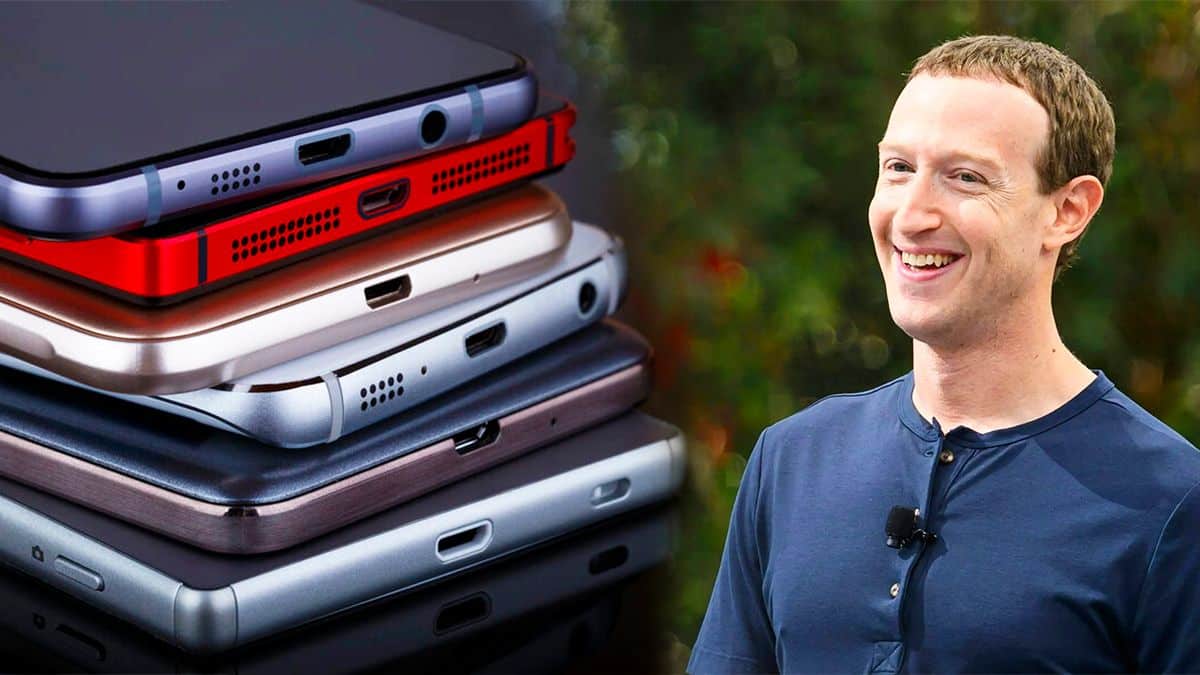
For nearly two decades, the smartphone has been the undisputed center of the digital universe. It is our map, our wallet, our primary camera, and our connection to the global network. However, the industry is beginning to signal a pivotal shift. The question is no longer whether the smartphone will eventually evolve, but rather which device to replace the smartphone in our daily lives.
Mark Zuckerberg, CEO of Meta, has become one of the most vocal proponents of a future where the screen in your pocket is superseded by the glasses on your face. This isn’t merely a speculative vision; it is a multi-billion dollar strategic pivot. By integrating artificial intelligence with wearable hardware, Meta is attempting to move the digital interface from a handheld slab of glass to a seamless, hands-free overlay of the physical world.
As a software engineer turned journalist, I have watched the “next big thing” cycle through tablets, smartwatches, and VR headsets. Yet, the current convergence of multimodal AI and miniaturized optics suggests that we are closer to a genuine paradigm shift than we have been since the launch of the iPhone in 2007. The goal is a transition from “looking down” at a device to “looking through” one.
The Vision: Why Smart Glasses are the Logical Successor
The fundamental limitation of the smartphone is the “friction” of interaction. To access information, you must stop what you are doing, reach into a pocket, unlock a screen, and navigate an app. Zuckerberg’s bet is that the most efficient device to replace the smartphone is one that removes this barrier entirely.

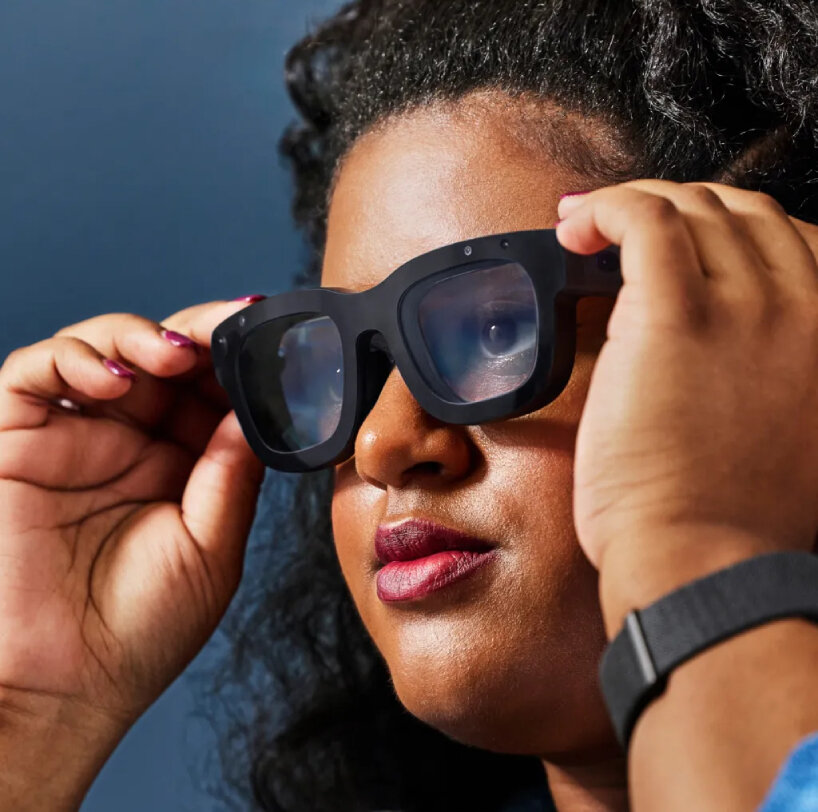
The current iteration of this vision is found in the Ray-Ban Meta smart glasses. Unlike previous attempts at wearable tech, these glasses focus on “ambient computing.” Instead of trying to replace the screen immediately, they integrate AI that can see what the wearer sees and hear what they hear. This multimodal capability allows the device to provide real-time translations, identify landmarks, or suggest recipes based on the ingredients currently on a user’s kitchen counter.
The long-term goal, however, is full Augmented Reality (AR). While the current Ray-Ban models are primarily audio and camera-based, Meta has been developing “true” AR glasses—most recently showcased through the Orion prototype. These glasses use silicon carbide lenses and tiny projectors to cast holograms into the user’s field of vision, potentially allowing users to send messages, attend virtual meetings, or navigate city streets without ever glancing at a phone screen.
How Multimodal AI Changes the Interface
To understand why AI glasses are the leading candidate for the post-smartphone era, we must look at the shift from graphical user interfaces (GUI) to conversational and contextual interfaces. For years, we interacted with computers via buttons and icons. AI is changing that to natural language and visual context.
Multimodal AI refers to the ability of a system to process multiple types of input—text, image, and audio—simultaneously. When What we have is embedded in glasses, the device gains “contextual awareness.” If you are looking at a broken engine, the AI doesn’t require you to type “how to fix a 2020 alternator” into a search bar; it simply sees the engine and overlays the repair instructions directly onto the parts you need to touch.
This shift transforms the device from a tool we actively use into an assistant that passively supports us. This “invisible” technology is what Zuckerberg believes will eventually make the handheld phone feel clunky and obsolete. The utility moves from a dedicated app environment to a layer of intelligence that exists on top of reality.
The Roadblocks: Privacy, Battery, and Social Friction
Despite the technological momentum, the path to replacing the smartphone is fraught with significant hurdles. The most immediate is the “social friction” of wearing a camera on one’s face. The tech industry has struggled with this since the launch of Google Glass over a decade ago. While Meta has implemented LED indicators to signal when recording is active, the psychological discomfort of being recorded in public remains a barrier to mass adoption.
Beyond social acceptance, Notice two primary engineering challenges: battery life and heat dissipation. Smartphones have the advantage of a large chassis that can house a significant battery. Shrinking that power into the arm of a pair of glasses without making them heavy or dangerously hot is a monumental task. Current smart glasses often rely on “offloading” the heavy processing to a paired smartphone, which ironically means the phone remains necessary for the glasses to function.
there is the issue of “digital fatigue.” The smartphone already consumes a vast portion of human attention. The prospect of a device that permanently overlays notifications and data onto our physical vision raises concerns about mental health and the further erosion of the boundary between work and private life.
Comparing the Contenders: Meta vs. Apple vs. The Market
Meta is not the only player in this space. Apple has taken a different approach with the Vision Pro, focusing on “spatial computing.” However, the Vision Pro is a bulky headset designed for immersive indoor use, whereas Zuckerberg is pushing for a lightweight, all-day wearable.
The competition essentially boils down to two different philosophies of the future:
- Immersive Computing (The Headset): High-fidelity, fully digital environments used for productivity or entertainment, typically in a controlled setting.
- Ambient Computing (The Glasses): Low-friction, lightweight overlays that enhance the physical world and are worn in public.
For a device to truly replace the smartphone, it must be something a user is willing to wear for 16 hours a day. This gives the “glasses” form factor a significant advantage over the “headset” form factor in the race for the general consumer market.
What So for the Global Consumer
If the transition to AI glasses occurs, the impact on global productivity and accessibility will be profound. For individuals with visual or cognitive impairments, AR glasses could provide real-time audio descriptions of the environment or visual cues to aid navigation. In professional settings, the “hands-free” nature of the technology could revolutionize surgery, manufacturing, and emergency response, where accessing a manual or a remote expert currently requires pausing critical work.
However, this transition will likely be gradual. We are entering a “hybrid era” where smart glasses act as an accessory to the phone rather than a replacement. We will likely see a period where the phone becomes a “compute puck”—a pocket-sized processor that handles the heavy lifting while the glasses serve as the primary display and input device.
The shift also prompts a critical conversation about data sovereignty. If a company has a device on your face that records everything you see and hear, the level of data collection will increase exponentially. The “terms of service” for the post-smartphone era will need to be far more robust than those of the mobile era to protect user privacy.
The Timeline to a Post-Smartphone World
While some predictions suggest a total phase-out of smartphones by 2030, a more realistic trajectory is a slow migration of tasks. First, we will move our notifications to our glasses. Then, we will move our communication (calls and texts). Eventually, the “app” as we know it will disappear, replaced by AI-driven “agents” that perform tasks based on our visual context.
The transition depends on three critical breakthroughs:
- Optics: Moving from bulky lenses to thin, transparent waveguides that look like normal prescription glasses.
- Energy: The development of new battery chemistries or highly efficient low-power chips that can last a full day.
- AI Trust: The evolution of AI from a “chatbot” to a reliable, hallucination-free assistant that can be trusted with real-world tasks.
As we move toward this future, the smartphone won’t disappear overnight, but it will lose its status as the primary gateway to the internet. The “screen” is moving from our palms to our pupils, and the interface is moving from touch to thought and voice.
The next major checkpoint for this technology will be the further refinement of Meta’s AR prototypes and the potential release of a consumer-ready version of their holographic glasses. As these devices move from the lab to the street, we will see which vision of the future—immersive or ambient—wins the race.
Do you think you would give up your smartphone for a pair of AI glasses, or is the privacy risk too high? Let us know in the comments below.
Worth a look