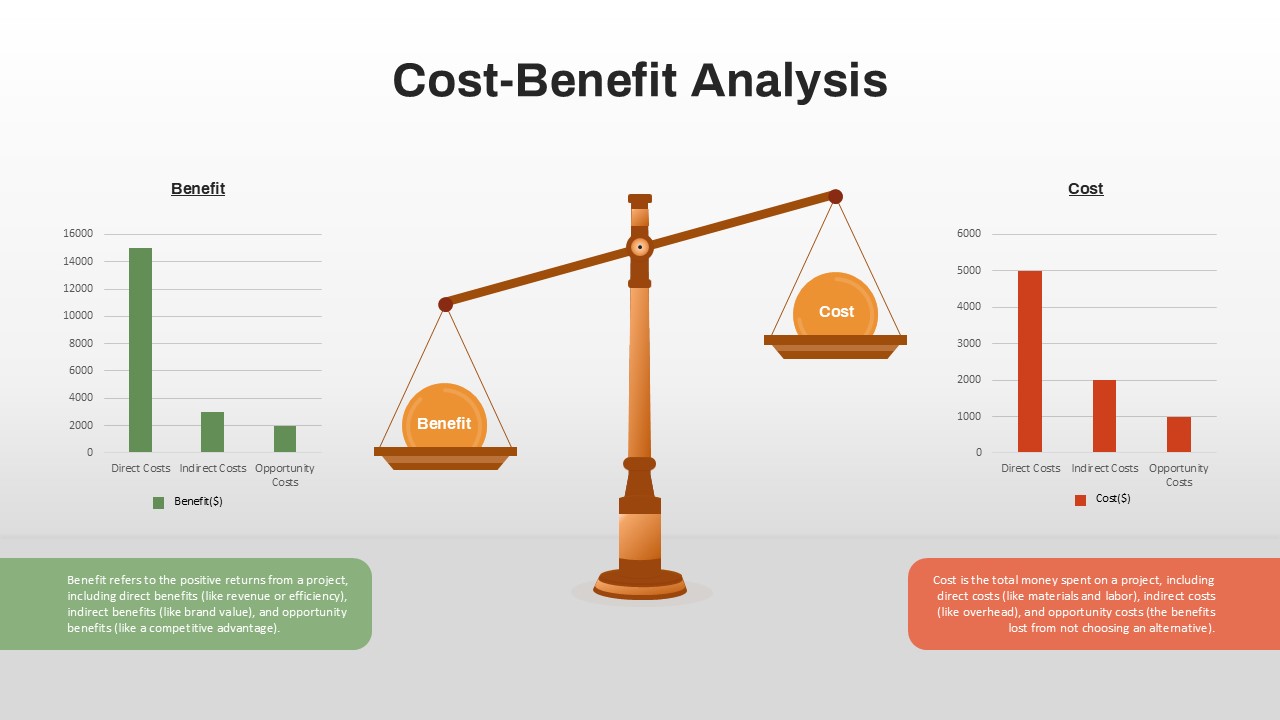
As we navigate the complexities of modern medical ethics and public policy, the intersection of economic valuation and human life frequently emerges as a flashpoint for debate. The economics of morally ambiguous markets, particularly those involving the commodification of human health and bodily autonomy, demand a rigorous re-examination of how we apply cost-benefit analysis to sensitive societal transactions. As a physician and journalist, I have observed that when financial metrics are applied to decisions involving life, dignity, or fundamental human rights, the resulting friction often reveals the limitations of traditional economic models.
At the heart of this issue is the challenge of quantifying the “value” of a human experience or a life-saving intervention. Cost-benefit analysis is a standard tool in healthcare policy, used by regulatory bodies like the National Institute for Health and Care Excellence (NICE) in the United Kingdom to determine the cost-effectiveness of new treatments. However, when these calculations move outside the clinical sphere and into markets involving organ donation, surrogate parenting, or the sale of human biological samples, the moral framework becomes increasingly strained. The fundamental question is not merely what a transaction costs, but what it costs society in terms of equity, exploitation, and the erosion of human dignity.
The Limits of Quantifiable Utility
The primary tension in these markets arises from the disparity between market efficiency and moral intuition. In standard economic theory, a voluntary transaction between two informed parties is presumed to be mutually beneficial. Yet, when the commodity in question is a human organ or reproductive capacity, we encounter what philosophers often call “repugnant markets.” These are scenarios where the market mechanism itself is viewed as inherently problematic, regardless of whether the participants are acting of their own free will.

For instance, the global organ trade presents a stark example of this moral ambiguity. While proponents might argue that a regulated market could alleviate organ shortages and provide financial compensation to donors, the World Health Organization (WHO) has long maintained a stance against the sale of human organs, citing the high risk of exploitation of vulnerable populations. The “cost” in this context is not just the price of the procedure, but the systemic risk of coercion and the degradation of the human body into a commercial asset.
Navigating Policy and Ethical Governance
Addressing these moral dilemmas requires more than just economic modeling; it requires robust regulatory oversight and clear ethical boundaries. In many jurisdictions, governments have established legal frameworks to prevent the commodification of human life while still allowing for altruistic donation. The National Organ Transplant Act (NOTA) in the United States, for example, prohibits the purchase or sale of human organs for transplantation, reflecting a societal consensus that certain aspects of human life should remain outside the realm of market exchange.
The role of regulatory bodies is to ensure that medical innovation and public health policies do not prioritize efficiency at the expense of equity. When a new technology or market practice is proposed, policymakers must ask: Who is truly benefiting? And more importantly, who is at risk of being exploited? The answers to these questions are rarely found in a spreadsheet. They require an interdisciplinary approach that incorporates input from clinicians, ethicists, sociologists, and the public.
What Lies Ahead: A Call for Transparency
As medical innovation continues to accelerate, we will undoubtedly face new and more complex challenges regarding the economics of morally ambiguous markets. Whether it is the rise of direct-to-consumer genetic testing, the commercialization of stem cell therapies, or the evolution of digital health data markets, the need for a principled approach to regulation is paramount. We must resist the urge to view these developments solely through the lens of economic growth or scientific advancement.
Transparency remains our best defense against the unchecked commodification of human health. As we look toward future legislative sessions and international health summits, it is critical that we demand clear documentation of how these markets are structured, who oversees them, and what safeguards are in place for the most vulnerable participants. The next major update on international standards for transplant ethics is anticipated during the next meeting of the World Health Assembly, where global health policies are routinely debated, and ratified.
I encourage our readers to stay informed by following updates from national health ministries and international regulatory agencies. The conversation around these issues is far from over, and your engagement is a vital component of the democratic process in science and medicine. How do you believe we should balance economic incentives with moral imperatives in healthcare? I look forward to your thoughts in the comments below.
Worth a look