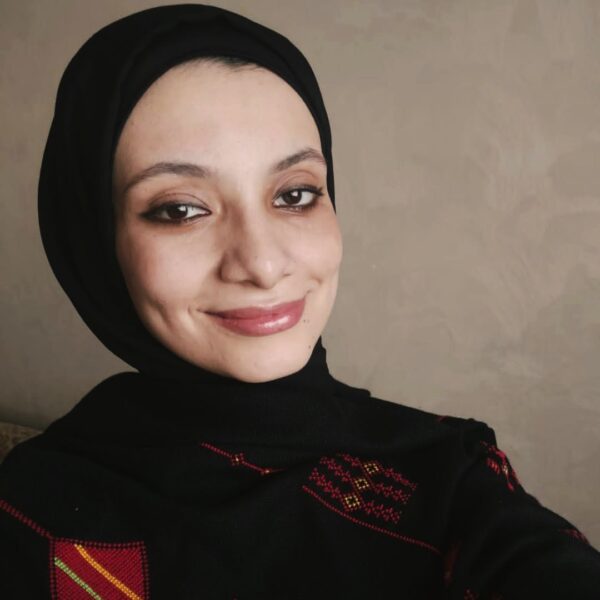
In the midst of the ongoing devastation in Gaza, the line between academic study and lived experience has vanished for many. For Malak Hijazi, a writer, journalist, and historian of displacement, the theories she once researched in textbooks have become the stark, daily reality of her existence in Gaza City. In a recent episode of the PalCast podcast titled “The First Draft of History,” Hijazi provides a harrowing yet resilient account of life under continuous assault, arguing that the act of documentation is not merely a professional duty, but a vital tool for survival and historical preservation.
The conversation, hosted by Yousef and Tony, delves into the profound psychological and physical erasure occurring within the Palestinian territories. Hijazi’s Malak Hijazi Gaza testimony serves as a bridge between the intellectual understanding of displacement and the visceral horror of losing one’s home and institutional foundations. By sharing her journey from a scholar of disappearance to a witness of it, Hijazi highlights the urgent necessity of preserving Palestinian voices before the physical landmarks of their history are entirely wiped from the map.
As an editor who has spent over a decade covering geopolitics and human rights across Europe and the Balkans, I recognize the pattern Hijazi describes: the systematic attempt to erase the memory of a place to justify its appropriation. When universities and homes are destroyed, it is not just infrastructure that falls; it is the collective memory of a community. Hijazi’s transition into journalism was born from the realization that academic theory could never fully encapsulate the daily terrors of war, displacement, and the crushing uncertainty of the future.
From Academic Research to Lived Displacement
For years, Malak Hijazi approached the concept of displacement through the lens of a historian, studying the disappearance of Palestinian places and the mechanisms of erasure. However, the current conflict transformed her research into a personal catastrophe. Hijazi describes the profound shock of seeing her own home and her university in Gaza City destroyed—events that shifted her perspective from observing history to being trapped within its most violent chapters.
This transition underscores a critical point in conflict reporting: the difference between documented data and human experience. Hijazi explains that while books can describe the movement of populations or the loss of land, they cannot capture the sensory and emotional weight of witnessing one’s own intellectual and personal sanctuary crumble. This realization drove her further into journalism, where she now seeks to amplify the stories of ordinary people who are enduring the same cycles of uncertainty and loss.
The destruction of educational institutions in Gaza is a documented phenomenon that extends beyond individual loss. According to reports on the state of education in the region, the systemic targeting of universities has left thousands of students without a path to degree completion and has decimated the intellectual infrastructure of the territory. For a historian like Hijazi, the loss of a university is not just the loss of buildings, but the loss of a repository of knowledge and a hub for future generations to understand their identity.
The ‘Yellow Line’ and the Geography of Fear
One of the most pressing concerns raised in the PalCast episode is the impact of the so-called “yellow line.” This term refers to the military boundaries and buffer zones established by Israeli forces, which have rendered vast areas of Gaza inaccessible to its residents. These lines are not merely tactical markers on a map; they are psychological barriers that deepen the fear among displaced families that they may never be permitted to return to their ancestral homes.

The creation of these inaccessible zones effectively shrinks the habitable land available to a population already crammed into a small coastal strip. For those who have been repeatedly displaced, the “yellow line” represents a permanent shift in the geography of their lives. Hijazi notes that the inability to access one’s own neighborhood creates a sense of permanent exile within one’s own borders, fueling a pervasive fear that the current displacement is a precursor to permanent erasure.
This strategy of creating buffer zones is a common point of contention in international law regarding occupied territories. The restriction of movement and the designation of “closed military zones” often lead to the long-term degradation of civilian infrastructure and the severance of community ties. In Gaza, where the population density is among the highest in the world, the imposition of such lines creates an unsustainable pressure on the remaining “safe” zones, which are often anything but.
Psychological Toll and the Power of Storytelling
Beyond the physical destruction, Hijazi speaks candidly about the emotional and psychological wreckage of the ongoing catastrophe. She describes a landscape of widespread pessimism, driven by the trauma of repeated displacement and the constant targeting of civilian life. When people are forced to move multiple times, each time leaving behind remnants of their previous existence, the psychological toll is cumulative, leading to a state of chronic instability and despair.

Yet, amidst this darkness, Hijazi identifies a powerful mechanism for resilience: the act of storytelling. She reflects on the importance of literature, education, and the preservation of narrative as tools for survival. For the displaced, telling one’s story is an act of defiance against the erasure of their existence. It is a way of asserting that “I was here, this was my home, and this is what happened.”
The recording of the PalCast episode itself captured a poignant moment of contrast. During the interview, the sound of birds could be heard in the background—a fleeting, natural serenity that stood in stark opposition to the omnipresent hum of drones and the sounds of destruction. This juxtaposition serves as a metaphor for the Palestinian experience in Gaza: a persistent, innate desire for peace and normalcy existing alongside a relentless machinery of war.
Journalism as the ‘First Draft of History’
The central thesis of the episode is captured in Hijazi’s description of journalism as “the first draft of history.” This phrase emphasizes the urgency of real-time documentation. In conflicts where narratives are fiercely contested and evidence is often destroyed along with the buildings, the immediate recording of testimony becomes the only safeguard against future denialism.

Hijazi stresses that documenting the experiences of Palestinians today is essential so that future generations will understand the reality of this moment. When a historian becomes a journalist, the goal shifts from analyzing the past to securing the truth of the present. By recording the voices of those enduring war and uncertainty, journalists create a primary record that can withstand the revisions of political agendas.
This commitment to documentation is particularly dangerous in Gaza City, where journalists and media workers have faced extreme risks. The act of filming, writing, and speaking to international audiences is often viewed with suspicion or targeted directly. Despite the immense personal danger, Hijazi argues that the risk of silence is far greater than the risk of speaking, as silence is the ultimate victory for those seeking to erase a people’s history.
Key Takeaways from the Conversation
- The Erasure of Memory: The destruction of homes and universities is viewed as a systematic effort to remove the physical evidence of Palestinian life and identity.
- Academic vs. Lived Experience: Malak Hijazi’s transition from a historian of displacement to a victim of it highlights the inadequacy of theoretical study in the face of active conflict.
- The Impact of Buffer Zones: The “yellow line” creates a geography of fear, making families believe their displacement may be permanent.
- Resilience through Narrative: Literature and storytelling are framed not just as cultural pursuits, but as essential tools for psychological survival and resilience.
- Urgency of Documentation: Journalism is positioned as the “first draft of history,” providing a critical record that prevents the erasure of the current catastrophe from future historical accounts.
For those seeking to engage directly with Palestinian voices, the full episode of “The First Draft of History” is available on major streaming platforms, including Apple Podcasts and Spotify. Listening to these testimonies provides a necessary counter-narrative to the sanitized versions of conflict often presented in brief news clips, offering instead a deeply human perspective on the intersection of pain and resilience.
The ongoing situation in Gaza continues to evolve, with international bodies monitoring the humanitarian crisis and the destruction of civilian infrastructure. The next critical checkpoint for the region involves the ongoing negotiations regarding ceasefire terms and the potential for increased humanitarian corridors to alleviate the suffering of the displaced. We will continue to track these developments as they unfold.
Do you believe that real-time documentation by civilians and journalists changes the outcome of historical narratives? We invite you to share your thoughts in the comments below and share this article to amplify these essential voices.