
If Alberta were to separate from Canada, the province would face profound uncertainty regarding its financial infrastructure, particularly concerning the status of residential mortgages held by major national lenders. Because the Canadian banking system operates under a federal regulatory framework overseen by the Office of the Superintendent of Financial Institutions (OSFI) and the Bank of Canada, any transition to independence would require a complex renegotiation of mortgage contracts, currency valuation, and consumer protection laws.
The Regulatory Framework of Canadian Mortgages
Most mortgages in Alberta are currently issued by institutions regulated under the federal Bank Act. This legal structure ensures that mortgage products, interest rate policies, and deposit insurance—provided by the Canada Deposit Insurance Corporation (CDIC)—remain consistent across all provinces. According to financial policy analysis, the stability of the Canadian housing market relies heavily on this centralized oversight, which allows banks to manage risk across a diverse national portfolio.
Should Alberta secede, the immediate question for homeowners would be the jurisdictional status of their existing loan agreements. Contract law in Canada generally protects the terms of a signed mortgage; however, a change in sovereignty would trigger significant questions regarding the currency of repayment. If the new state of Alberta were to adopt a different currency or experience significant volatility in its transition, the value of debt denominated in Canadian dollars could fluctuate, potentially complicating the obligations of both borrowers and lenders.
Currency Risk and Interest Rate Sensitivity
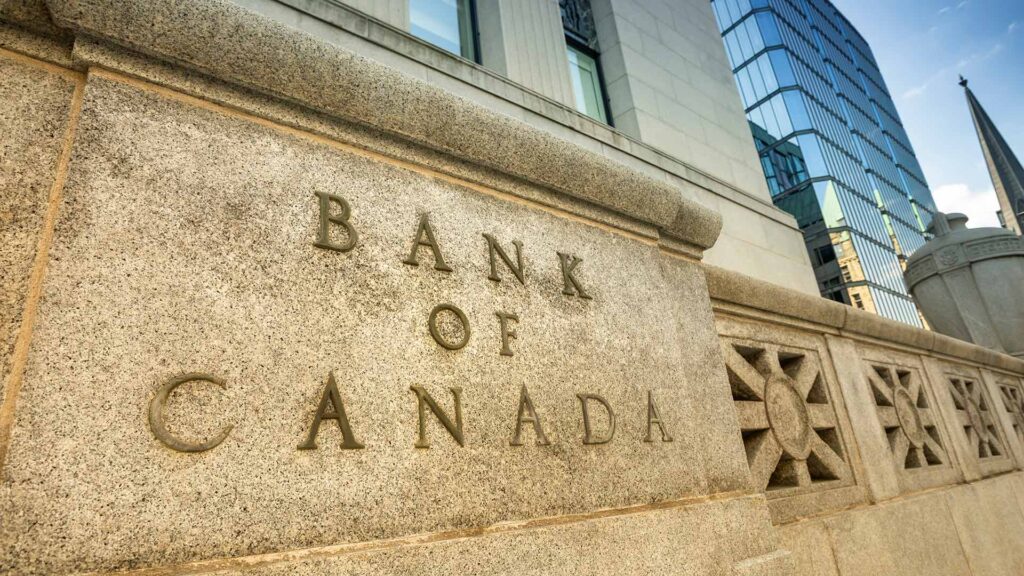
The impact of separation on Albertan mortgages is inextricably linked to the province’s monetary policy. Currently, the Bank of Canada sets interest rates that influence the prime rate, which directly affects variable-rate mortgages. Without access to the Canadian central bank, an independent Alberta would need to establish its own monetary authority or enter into a formal currency union.

Economists have noted that the absence of a lender of last resort—a role currently filled by the Bank of Canada—could lead to higher risk premiums for Albertan banks. According to data provided by the International Monetary Fund regarding jurisdictional transitions, the cost of borrowing typically rises during periods of political and economic restructuring. For a homeowner, this could manifest as higher renewal rates or stricter lending criteria as banks move to offset the uncertainty of operating in a new, independent jurisdiction.
Impact on Existing Mortgage Contracts
Legal experts emphasize that existing mortgage contracts would not simply vanish upon a declaration of independence. Contracts are governed by the law in effect at the time of signing, and international legal norms generally favor the continuity of private debt obligations. However, the enforcement of these contracts would shift to the new provincial legal system.
The primary concern for homeowners is whether current national lenders would choose to continue operating in an independent Alberta. If a bank decided to exit the market, it would likely sell its mortgage portfolio to another entity. Under the Bank Act of Canada, such transfers are subject to strict regulatory approval to ensure consumer protection. In a scenario where the regulatory authority is replaced, Albertans would need to ensure that their new government provides equivalent protections to those currently offered under federal law.
What Homeowners Should Monitor
As of early 2024, there is no official legislative framework or intergovernmental agreement that addresses the transition of private financial assets in the event of Alberta’s secession. The current regulatory environment remains governed by federal statutes. Homeowners who are concerned about the long-term status of their property financing should look to the following areas for official updates:
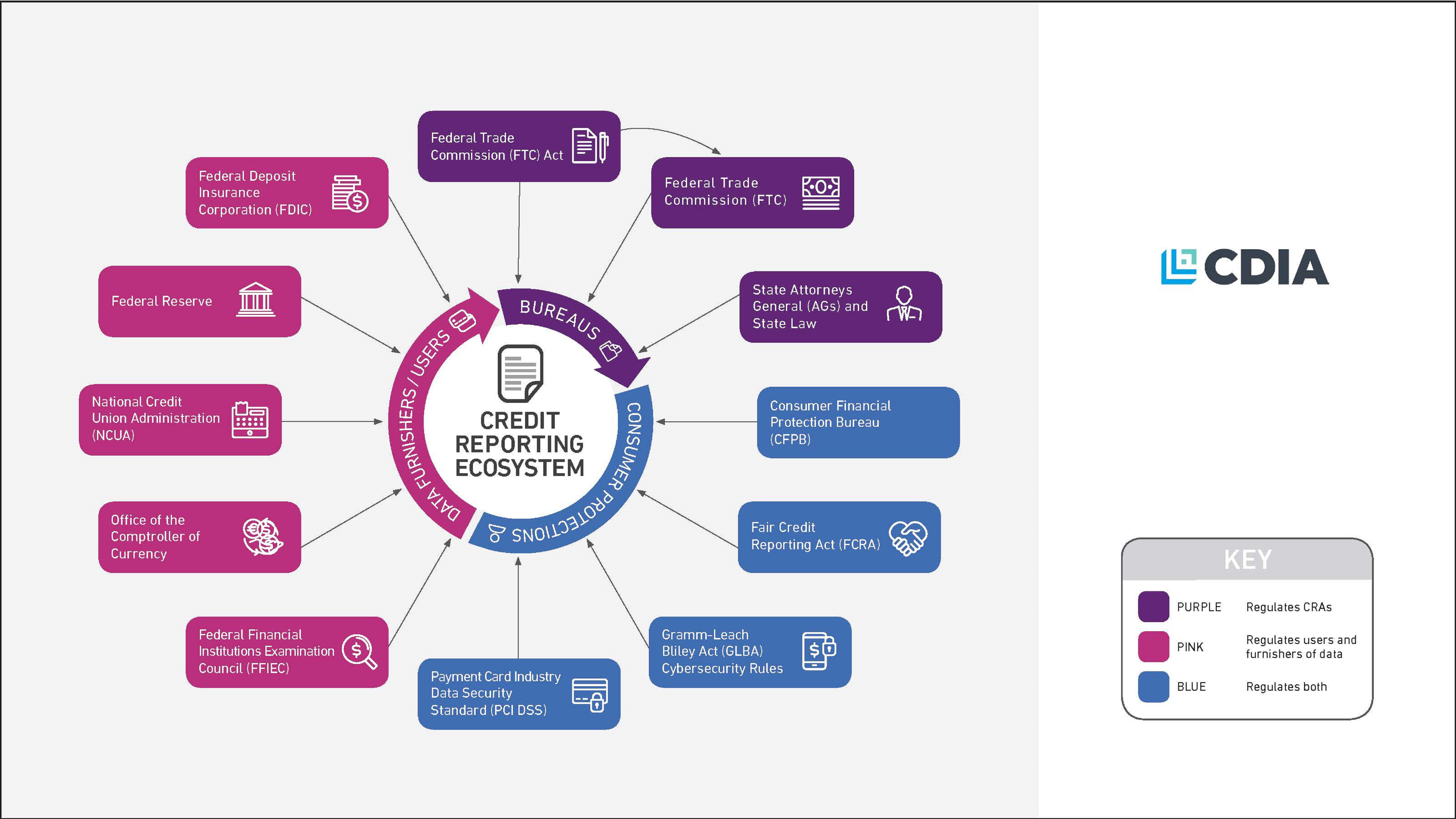
- Regulatory Filings: Periodic updates from the Office of the Superintendent of Financial Institutions regarding the licensing of banks operating in specific regions.
- Provincial Legislative Agendas: Official statements from the Alberta government regarding the establishment of any potential provincial financial regulatory bodies.
- Bank Terms of Service: Updates to standard mortgage agreements that define the “governing law” and “jurisdiction” clauses of the contract.
There are no scheduled hearings or governmental committee meetings addressing the specific mechanics of mortgage transfers in an independent Alberta at this time. As the situation remains entirely theoretical, the financial sector continues to operate under the assumption of Alberta’s ongoing participation in the Canadian federation. Readers interested in the evolution of these policies are encouraged to monitor official announcements from provincial and federal finance ministries for any shifts in economic policy.