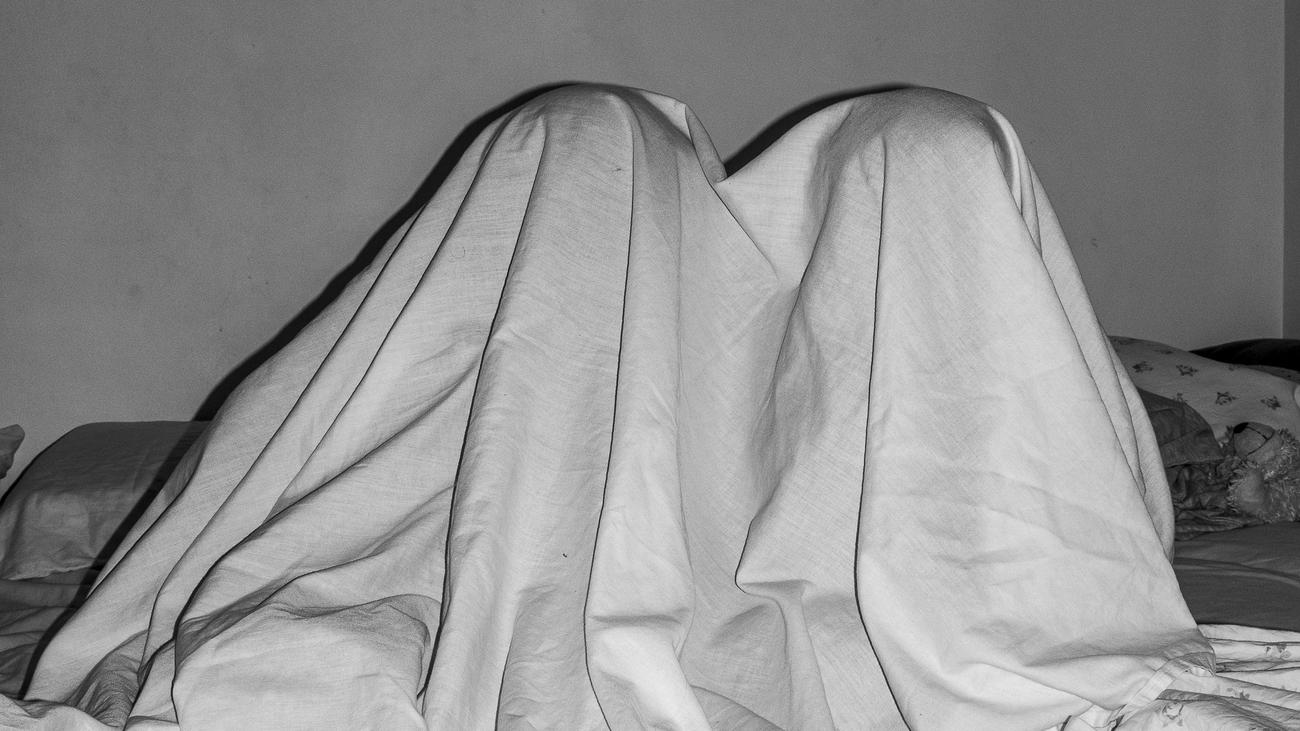
Modern parenthood often comes with a persistent physical toll that leaves many mothers and fathers operating in what researchers and public health specialists describe as a state of chronic exhaustion. According to data and insights from public health discussions across Europe, the persistent imbalance in domestic responsibilities has created a distinct phenomenon known as the gender sleep gap. Parents, particularly mothers, frequently find their nights disrupted not just by the physical needs of infants and children, but by an unyielding mental load that keeps the brain active long after the lights go out.
This widespread exhaustion goes far beyond typical tiredness. Medical professionals and sleep researchers note that chronic sleep deprivation among parents alters cognitive function, emotional regulation, and long-term health resilience. As families navigate the competing demands of modern work environments and round-the-clock domestic duties, the question of whether parents will ever regain pre-children sleep patterns has become a central focus of contemporary family health discussions.
Understanding the Gender Sleep Gap in Parenting
The distribution of nighttime caregiving responsibilities rarely divides evenly between partners. According to sociological and health research examining domestic labor, mothers continue to shoulder the majority of nocturnal awakenings, feeding sessions, and comforting duties. This disparity contributes directly to what experts term the gender sleep gap, wherein women experience cumulative sleep deficits that persist well beyond the infancy stage of their children.
Beyond physical interruptions, the psychological burden of anticipation plays a major role in parental sleep disruption. Even when a partner takes a turn on night duty, many primary caregivers remain subconsciously alert, anticipating the next cry or need. This hyper-vigilance prevents the brain from entering deep, restorative rapid eye movement (REM) sleep cycles, leaving individuals feeling unrefreshed even after spending adequate hours in bed. Public health advocates emphasize that this invisible mental labor is a primary driver of parental burnout.
Physiological and Psychological Impacts on Family Health
Chronic sleep deprivation triggers measurable physiological stress responses. Prolonged elevation of cortisol and adrenaline levels can weaken immune function, elevate blood pressure, and increase susceptibility to anxiety and depressive disorders. For parents managing full-time employment alongside caregiving, these health pressures compound quickly, affecting workplace performance and interpersonal relationships.
Medical experts point out that recovery from long-term sleep disruption requires more than a single weekend of sleeping in. Sleep debt accumulates over months and years, altering neurological pathways associated with patience, memory retention, and emotional control. When parents operate in this depleted state for extended periods, the risk of acute burnout increases significantly, impacting the overall stability of the household environment.
Navigating Paths Toward Better Rest
Addressing parental sleep deprivation requires systemic adjustments within households and broader societal support structures. Family health practitioners recommend explicit communication between partners regarding nighttime division of labor, ensuring that responsibility shifts completely rather than remaining shared in theory alone. Establishing uninterrupted blocks of sleep—where one partner takes full accountability for a designated portion of the night—allows the other to achieve restorative deep sleep.
Public health organizations and medical bodies continue to study the long-term implications of modern parenting stress, advocating for workplace flexibility and accessible mental health resources for families. As awareness of the gender sleep gap grows, researchers hope to shift cultural expectations around domestic labor, encouraging more equitable sharing of both the physical and mental workloads of raising children.
For ongoing updates on public health research, family wellness strategies, and expert medical analyses, readers are encouraged to share their thoughts in the comments below or join the conversation on our official social media channels.