
As the digital threat landscape continues to evolve, cybersecurity analysts are tracking the emergence of a sophisticated ransomware group known as The Gentlemen. This actor has recently surfaced in threat intelligence reports as a significant concern for enterprise environments, demonstrating a methodical approach to compromising systems and bypassing standard security controls. For global organizations, understanding the operational patterns of this group is becoming an essential component of modern risk management.
The emergence of The Gentlemen as a key ransomware player highlights a broader trend in the cybersecurity industry: the shift toward highly tailored, adaptive attack vectors. By focusing on systematic compromises rather than opportunistic, “spray-and-pray” tactics, this group has successfully targeted critical industries across multiple international regions. Their ability to integrate legitimate tools into malicious workflows presents a unique challenge for security operations centers (SOCs) tasked with defending complex, distributed networks.
Understanding the Tactics of The Gentlemen
The operational profile of The Gentlemen is characterized by a high degree of technical preparation. According to security researchers, the group’s campaign—which gained notable attention in the latter half of 2025—leverages a multi-stage approach to infiltrate and persist within victim environments. This process often begins with the compromise of privileged domain accounts, allowing the actors to move laterally with elevated access. Once inside, they employ a range of techniques, including the manipulation of Group Policy and the abuse of legitimate drivers to evade detection by endpoint protection platforms.
One of the most concerning aspects of their methodology is the use of custom anti-AV utilities. By engineering tools designed to neutralize specific security software, The Gentlemen have demonstrated an ability to operate in environments that would otherwise be shielded by enterprise-grade protection. This “living-off-the-land” strategy—where attackers repurpose existing system tools for illicit ends—makes traditional signature-based detection significantly less effective. Organizations are advised to monitor for unusual modifications to security configurations and unauthorized use of administrative tools, as these are often indicators of an active compromise involving such advanced persistent threats.
Industries at Risk and Global Reach
The Gentlemen have shown a broad interest in diverse sectors, with the manufacturing, construction, healthcare, and insurance industries appearing as primary targets. The group’s reach is geographically expansive, with reported activity spanning at least 17 countries. This international footprint suggests that the group is not limiting its operations to a single jurisdiction, but is instead leveraging global vulnerabilities to maximize the impact of its campaigns.

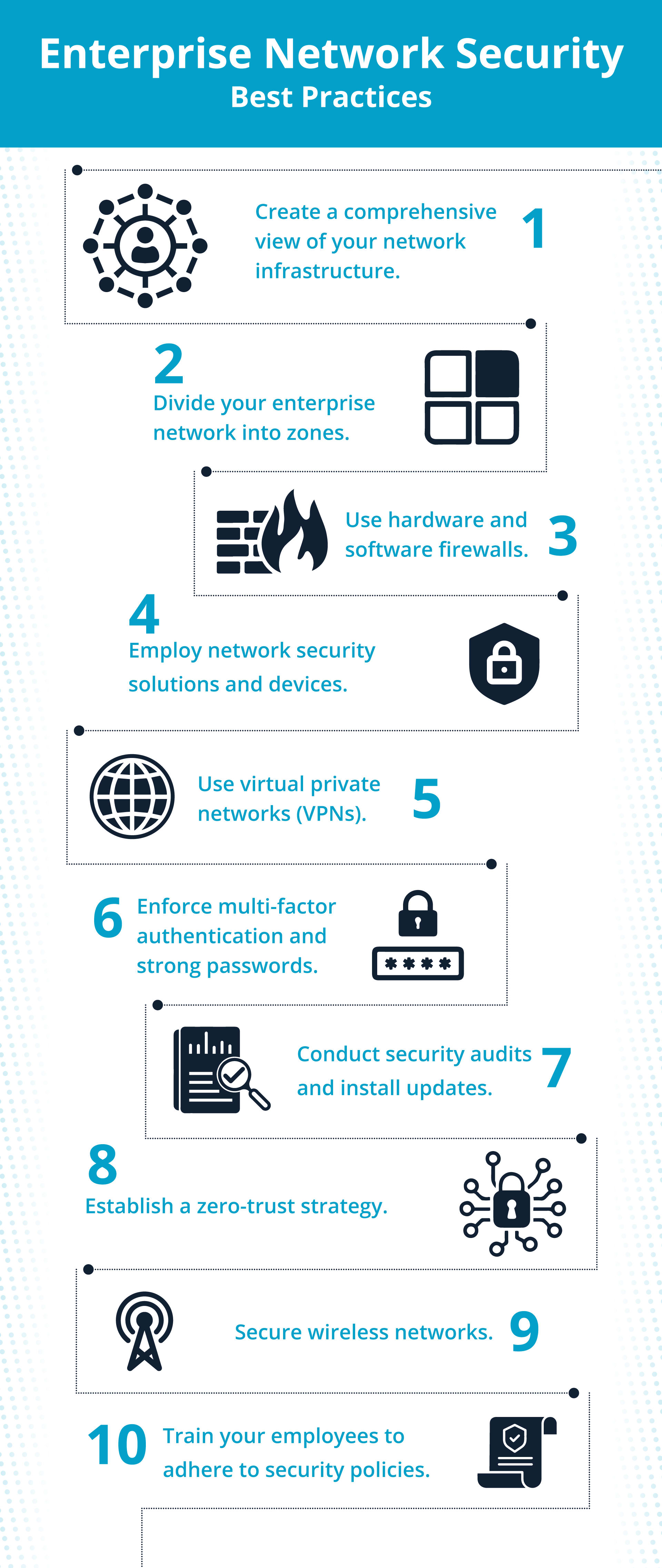
For organizations operating in these sectors, the threat posed by The Gentlemen underscores the necessity of robust data exfiltration prevention. Because the group utilizes encrypted channels to move stolen data, traditional network monitoring tools may fail to identify the exfiltration of sensitive information until it is too late. Implementing a “zero-trust” architecture, where every request for access is verified regardless of its origin, remains a primary defense strategy against such sophisticated actors. Security leaders are encouraged to consult resources like the Cybersecurity and Infrastructure Security Agency (CISA) for the latest advisories on defending against ransomware and maintaining organizational resilience.
Best Practices for Enterprise Defense
Defending against an actor as methodical as The Gentlemen requires more than just reactive patching. It necessitates a proactive security posture that prioritizes visibility and rapid response. Key defensive pillars include the following:
- Privileged Access Management (PAM): Restricting the number of accounts with administrative rights is critical to preventing the type of domain-level compromise favored by the group.
- Endpoint Detection and Response (EDR): Deploying advanced EDR solutions that can identify behavioral anomalies, rather than just known malicious file signatures, is essential for catching custom evasion tools.
- Regular Threat Hunting: Organizations should move beyond automated alerts and conduct active, hypothesis-based threat hunting to uncover hidden indicators of compromise (IOCs) within their environment.
- Offline Backups: Maintaining immutable, air-gapped backups ensures that even in the event of a successful ransomware deployment, data can be restored without engaging with the threat actors.
As the situation develops, security professionals are reminded that threat intelligence is a dynamic field. Continuous monitoring of official National Cyber Security Centre advisories and other governmental cybersecurity portals remains the most reliable way to stay informed about shifting tactics. Because The Gentlemen utilize adaptive tools, the indicators of compromise may change rapidly, making the integration of real-time threat feeds into internal security dashboards a priority for IT leadership.
The Gentlemen represent a significant escalation in the complexity of ransomware operations. By systematically exploiting the trust placed in legitimate administrative tools and infrastructure, they have created a blueprint for future threat actors to follow. While the immediate focus remains on mitigation and recovery, the long-term response must involve a fundamental rethinking of how enterprise environments verify legitimacy and manage risk in an increasingly hostile digital environment.
We will continue to track updates regarding this group as new security reports and law enforcement advisories are released. If your organization has been affected or if you have insights into the group’s evolving tactics, please share your thoughts or contact our editorial team to contribute to the ongoing discussion on cybersecurity resilience.
Keep reading