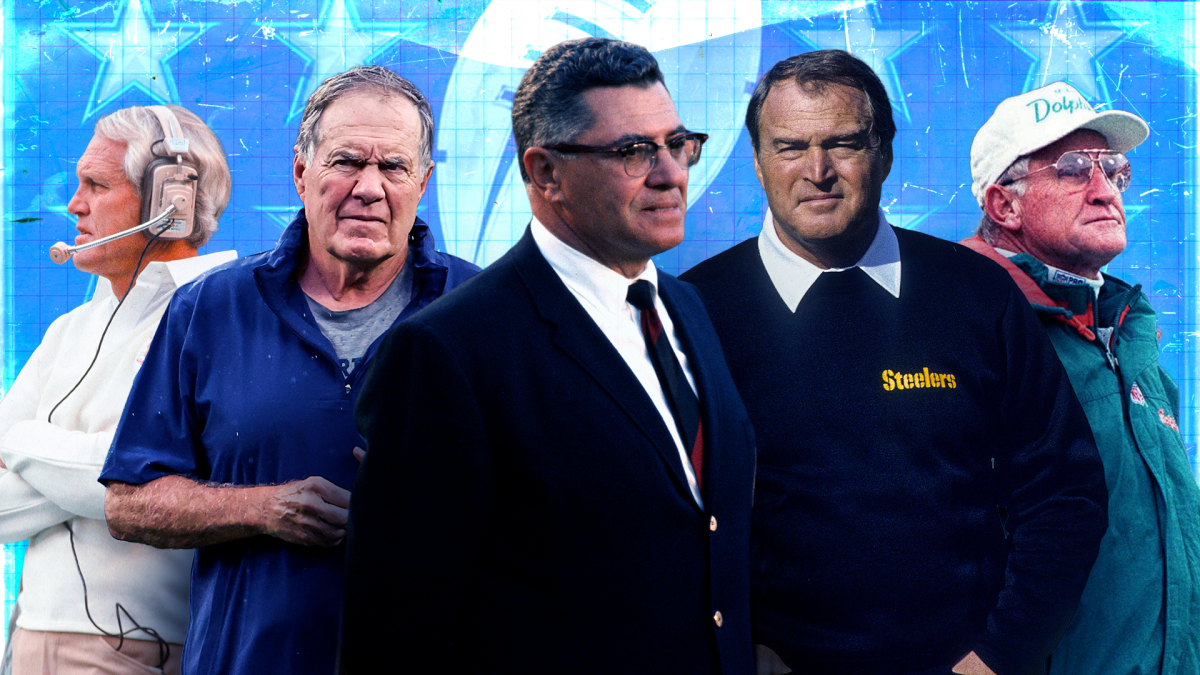
The debate over the greatest NFL coach of all time remains a cornerstone of professional football discourse, centering on the contrasting legacies of Bill Belichick and Vince Lombardi. While coaching philosophies and eras differ significantly, both figures stand as the primary benchmarks for success in the National Football League. Evaluating their historical impact requires an analysis of championship totals, sustained excellence over decades, and the evolution of the sport’s tactical landscape.
Vince Lombardi, who coached the Green Bay Packers from 1959 to 1967, is frequently cited for his role in establishing the NFL as a premier professional sport. According to the Pro Football Hall of Fame, Lombardi led the Packers to five league championships in seven years, including victories in the first two Super Bowls. His career winning percentage in the regular season stands at .738, a figure that remains among the highest in league history. Lombardi’s influence extended beyond the gridiron, as his emphasis on discipline and the “Packer Sweep” became synonymous with a golden era of football.
Bill Belichick, conversely, redefined sustained success in the modern era of parity. During his tenure as head coach of the New England Patriots from 2000 to 2023, Belichick secured six Super Bowl championships, the most by any head coach in NFL history. As documented by the NFL, his career spanned 24 seasons in New England, during which he oversaw nine Super Bowl appearances. Belichick’s strategic approach, characterized by situational awareness and a rigorous scouting process, allowed the Patriots to maintain competitive rosters despite the introduction of the salary cap in 1994.
Comparing Eras and Tactical Evolution
Comparing coaches across different decades presents inherent challenges due to changes in the game’s structure. Lombardi coached in an era before widespread free agency, where rosters remained largely intact for longer durations. His ability to build a cohesive unit around a core of Hall of Fame players—including Bart Starr, Jim Taylor, and Ray Nitschke—was foundational to the Packers’ dynasty. Lombardi’s career was cut short by his death in 1970, leaving a legacy defined by an intense, singular focus on winning.

Belichick operated within a landscape defined by constant roster turnover and tactical complexity. His tenure coincided with the rise of the passing game and the rapid evolution of defensive sub-packages. Analysts often point to his 2001–2019 run as a unique anomaly in the NFL, where the team consistently won division titles and reached the AFC Championship game despite the logistical constraints of the modern salary cap. Unlike the Lombardi era, where teams relied on a more rigid set of offensive formations, Belichick’s teams were noted for their ability to alter their game plan weekly to exploit specific opponent weaknesses.
The Case for Other Legendary Coaches
While the Belichick-Lombardi dichotomy dominates the conversation, other coaches frequently appear in discussions regarding the greatest of all time. Don Shula, who holds the record for the most career wins by an NFL head coach, remains a central figure. According to the Pro Football Hall of Fame, Shula amassed 328 regular-season victories across his time with the Baltimore Colts and the Miami Dolphins, including the only perfect season in NFL history in 1972.
Other names frequently included in the top tier include:
- Chuck Noll: Recognized for leading the Pittsburgh Steelers to four Super Bowl titles in the 1970s.
- Joe Gibbs: Noted for winning three Super Bowls with the Washington Redskins using three different starting quarterbacks.
- Bill Walsh: Credited with the invention of the “West Coast Offense,” which fundamentally changed how passing attacks are structured in the NFL.
Metrics of Greatness
Determining the “greatest” often depends on whether the criteria prioritize longevity, peak dominance, or tactical innovation. Lombardi represents the pinnacle of cultural impact and championship efficiency, having never lost a playoff game as a head coach, finishing with a 9-1 postseason record. Belichick represents the pinnacle of adaptation, having successfully managed different iterations of his team across two decades.
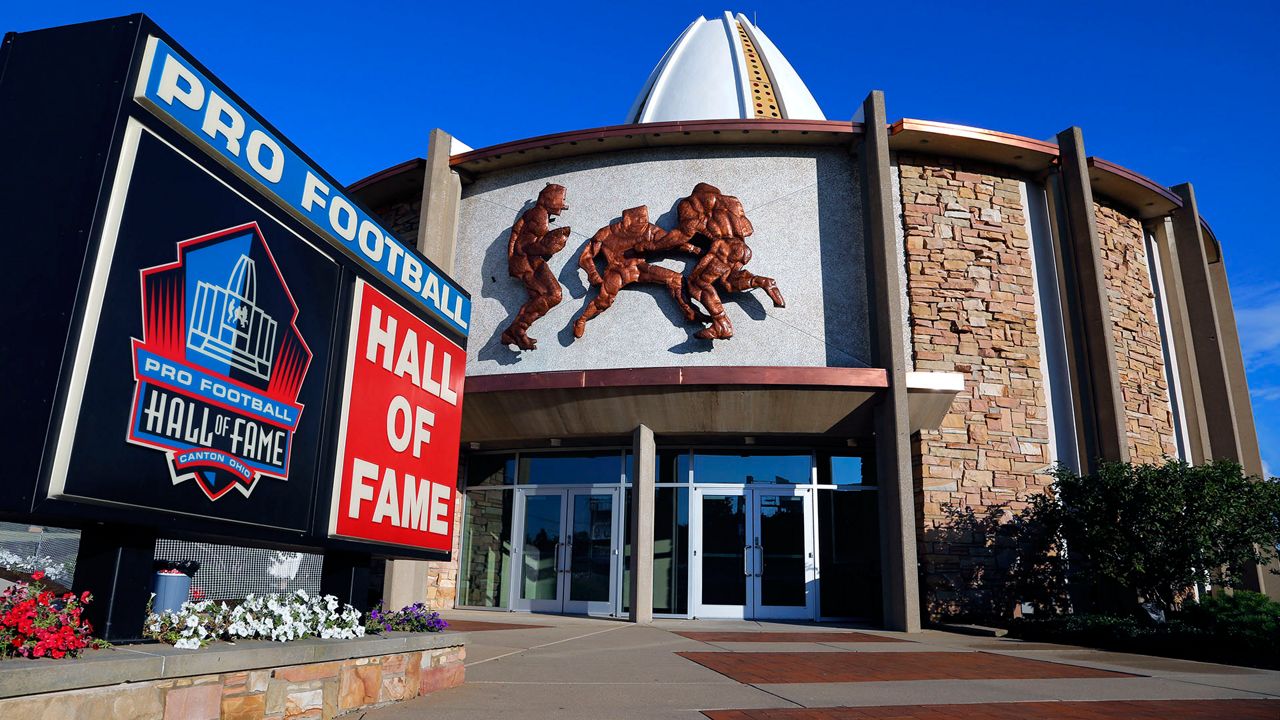
The debate remains subjective, as it pits the traditional standard of the “Lombardi Trophy” era against the complex, multi-layered environment of the 21st-century NFL. As new coaches enter the league, the metrics for success continue to evolve, but the records held by Belichick and Lombardi serve as the permanent markers against which all future candidates will be measured.
The next official updates regarding coaching records and historical rankings will be maintained by the Pro Football Hall of Fame and the NFL’s official statistical databases throughout the upcoming season. Readers interested in the history of the sport or statistical analysis are encouraged to share their own rankings and arguments in the comments section below.