
Three brothers, aged 17, 15, and 12, are currently managing their own household in South Africa following the deaths of their parents, who reportedly lost access to essential HIV treatment. The transition into independent living has forced the oldest sibling to assume the role of head of the family, balancing the demands of school with the urgent need to maintain a home that is physically deteriorating. This case highlights the broader, often hidden challenges faced by households impacted by the interruption of chronic disease management and the subsequent loss of primary caregivers.
The situation serves as a stark reminder of the long-term, multi-generational consequences of gaps in healthcare delivery. In many regions, the continuity of care for patients with HIV is not merely a medical concern but a socioeconomic one; when treatment access falters, the stability of the entire family unit is placed at immediate risk. According to data from UNAIDS, consistent antiretroviral therapy (ART) remains the most critical factor in preventing mortality and ensuring that parents remain able to provide for their children, yet systemic barriers, supply chain disruptions, and bureaucratic hurdles continue to impede access for vulnerable populations.
The Impact of Treatment Disruption
The loss of both parents due to complications linked to HIV medication access underscores the fragility of health infrastructure. For families living in poverty, the sudden absence of income-earning parents often leads to immediate housing insecurity, as evidenced by the condition of the brothers’ home. The roof, which has fallen into disrepair, is a tangible sign of the domestic instability that follows the loss of adult guardianship. When the primary earners are removed from the household, children are frequently forced to navigate complex social welfare systems or, as in this instance, attempt to sustain themselves with limited resources.
Medical experts emphasize that the “treatment gap” is frequently a result of both systemic failures and individual circumstances. The World Health Organization (WHO) notes that while global efforts have significantly increased the number of people on ART, the “last mile” of delivery—ensuring that patients in remote or impoverished areas can consistently receive and adhere to their prescriptions—remains a significant challenge. Without a robust support network, a lapse in medication can lead to rapid health deterioration, leaving children like these brothers to face the consequences.
Navigating Life as a Youth-Headed Household
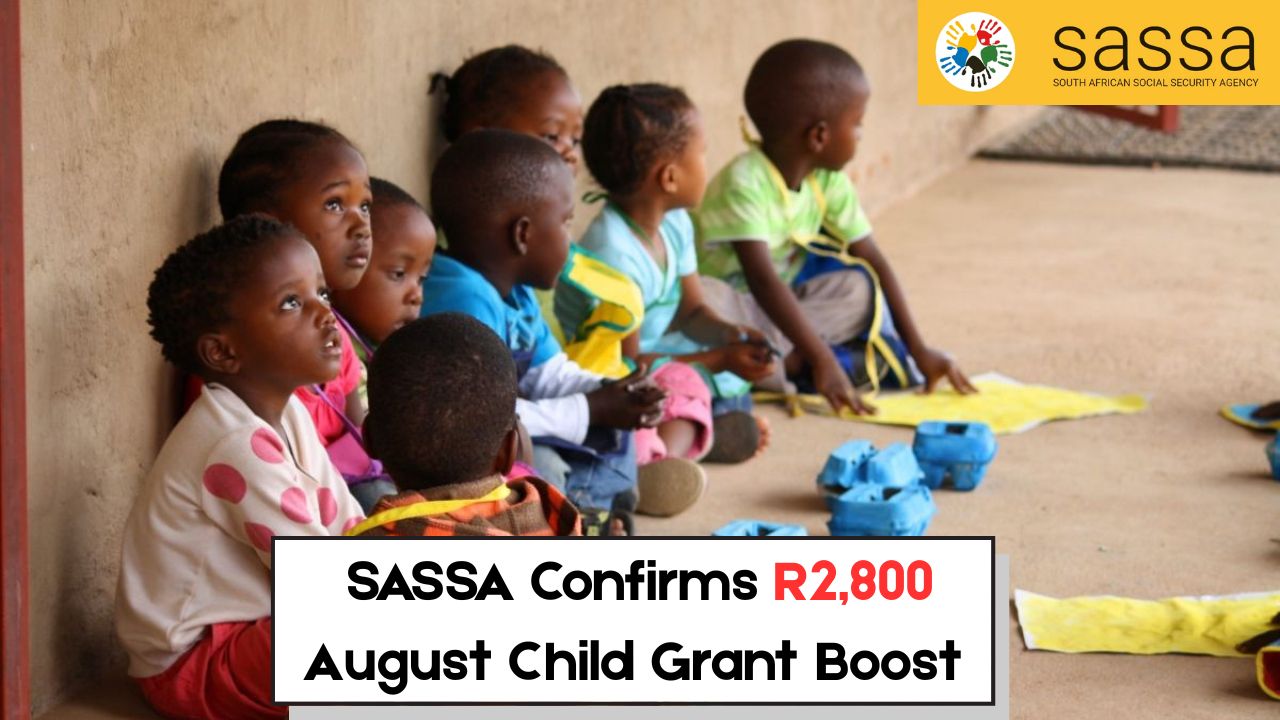
At 17, the eldest brother is now legally and practically responsible for his younger siblings. This transition involves not only securing food and basic necessities but also managing the psychological toll of grief and the pressure of maintaining a household. In South Africa, such cases are often monitored by local non-governmental organizations and community-based social workers who provide aid to child-headed households. These organizations are critical in helping children access state grants, such as the Child Support Grant provided by the South African Social Security Agency (SASSA), which is intended to provide a financial safety net for minors living without adult caregivers.

The challenges these brothers face are not isolated. Many children in similar circumstances struggle to balance educational attendance with the labor required to keep a home functional. Poverty often forces a choice between school and survival, a dynamic that perpetuates the cycle of economic instability. According to research from the UNICEF South Africa office, the provision of targeted social protection is the most effective way to prevent these youth from dropping out of the formal school system, yet reaching every affected child remains a logistical hurdle for local authorities.
What Happens Next for the Family
The immediate future for the three brothers remains tied to their ability to secure consistent community and state support. While the eldest sibling has taken on the mantle of leadership, the physical condition of their home and their ongoing financial constraints require external intervention to ensure long-term stability. Government agencies and local aid groups typically conduct assessments to determine eligibility for housing grants or emergency repair funding, though these processes can be lengthy and require navigation of complex administrative requirements.

The next steps for the family will likely involve a formal assessment by local social services to ensure they are receiving all available government support. Observers of the situation note that community involvement—ranging from neighbors providing food to local groups assisting with home repairs—is often the difference between a family remaining intact or being separated. As the brothers continue to adjust to their new reality, their story highlights the necessity of integrated health and social policy, where medical care is supported by social safety nets designed to prevent family collapse when illness strikes.
For those interested in following updates regarding the support systems for children in similar circumstances, information is regularly updated through the South African government’s social services portal. We will continue to monitor the situation as more information becomes available. We invite readers to share their thoughts or experiences with community-led support programs in the comments below.