A viral narrative circulating across online community platforms describes a police officer diagnosed with stage 4 colon cancer visiting a bank to finalize financial arrangements for his family. While the specific identity of the officer and the details of the bank visit remain unverified by official law enforcement or financial institutions, the story has sparked global discussions regarding the intersection of terminal illness, professional duty, and the urgency of end-of-life planning.
The account, which has garnered thousands of views and shares, focuses on the emotional weight of a first responder facing a terminal diagnosis while attempting to secure the financial stability of surviving dependents. For medical professionals and public health experts, the narrative highlights the clinical reality of metastatic colorectal cancer and the systemic health challenges faced by law enforcement officers.
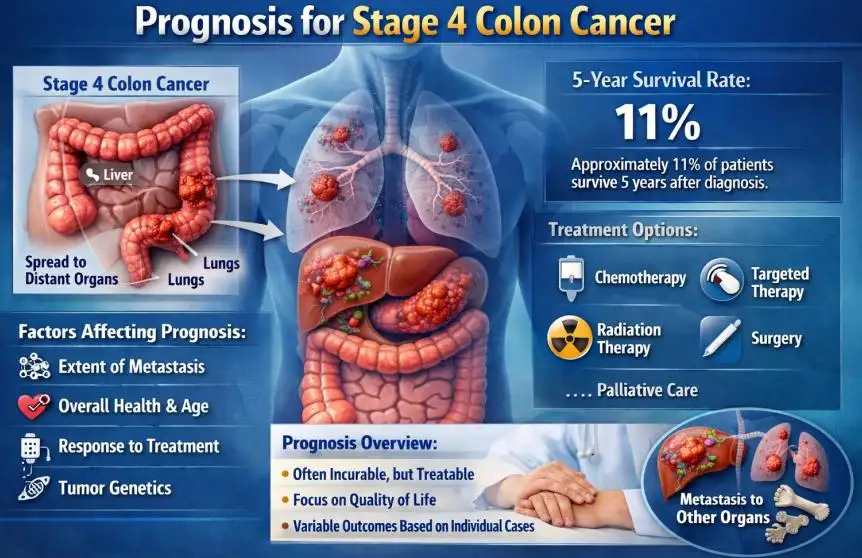
Colorectal cancer is the third most common cancer diagnosed in both men and women in the United States, according to the American Cancer Society. When diagnosed at stage 4, the malignancy has metastasized from the primary site in the colon or rectum to distant organs, most commonly the liver or lungs.
What defines stage 4 colon cancer?
Stage 4 colorectal cancer, also known as metastatic colorectal cancer, occurs when cancer cells break away from the original tumor and travel through the bloodstream or lymphatic system to other parts of the body. According to the Mayo Clinic, the primary goal of treatment at this stage shifts from curative intent to palliative care and life extension.

Treatment typically involves a combination of systemic therapies. Chemotherapy remains a cornerstone of treatment, often paired with targeted therapies that attack specific proteins on cancer cells or immunotherapy, which helps the immune system recognize and destroy the tumor. Surgical intervention at stage 4 is generally reserved for removing obstructions or treating single-site metastases to improve quality of life, rather than to eliminate the cancer entirely.
The prognosis for stage 4 colorectal cancer varies based on the location of the metastasis and the patient’s response to therapy. Data from the National Cancer Institute’s SEER database indicates that the five-year relative survival rate for distant-stage colon cancer is approximately 14% to 16%, though these figures are updated as new targeted therapies emerge.
Health risks and occupational stress in law enforcement
The narrative of a police officer facing a terminal illness underscores the unique health burdens placed on first responders. Law enforcement officers are frequently exposed to chronic stress, irregular sleep patterns, and high-pressure environments, all of which can impact long-term health outcomes.

Research into occupational health suggests that shift work, a staple of police duty, can disrupt the circadian rhythm. The International Agency for Research on Cancer (IARC), a branch of the World Health Organization, has previously classified night shift work as “probably carcinogenic to humans” (Group 2A) due to the disruption of melatonin production and its link to various cancers, including colorectal cancer.
Beyond physical health, the psychological toll of “compassion fatigue” and post-traumatic stress can lead to delayed health screenings. Officers may prioritize the safety of the public or the needs of their department over personal medical appointments, potentially leading to later-stage diagnoses of treatable conditions.
The importance of end-of-life financial planning
The central action in the viral story—a terminally ill individual visiting a bank—points to a critical but often overlooked aspect of terminal care: the logistical and financial transition for survivors.
Financial experts and legal counselors emphasize that a terminal diagnosis necessitates immediate action in several key areas to prevent legal disputes and financial hardship for heirs:
- Updating Beneficiary Designations: Ensuring that life insurance policies, retirement accounts, and bank accounts have current and correct beneficiaries to avoid lengthy probate processes.
- Establishing Power of Attorney: Designating a trusted individual to manage financial affairs when the patient is no longer capable of doing so.
- Creating a Living Will: Documenting specific preferences for medical treatment and end-of-life care to remove the emotional burden of decision-making from family members.
- Asset Liquidation and Transfer: Organizing the transfer of assets or the settlement of debts to ensure a seamless transition of wealth.
For public servants, such as police officers, this process often includes navigating government pensions and disability benefits. In many jurisdictions, “line-of-duty” death benefits differ significantly from those provided for natural deaths, making the precise documentation of the illness and its potential link to occupational hazards a priority for the family’s financial security.
Navigating the psychological impact of a terminal diagnosis
The emotional arc of the viral story reflects the “anticipatory grief” experienced by both the patient and their family. Anticipatory grief is the process of mourning a loss before it actually occurs, allowing the individual to seek closure and perform final acts of service, such as the bank visit described in the reports.

Psychologists note that for individuals in “helper” professions—such as police, fire, and medical services—the transition from being the provider of safety to the recipient of care can be particularly jarring. This often manifests as a drive to “solve” the remaining problems for their family, treating the financial security of their survivors as their final mission.
Support systems for these individuals typically include palliative care teams, which focus on relieving symptoms and improving the quality of remaining life, and mental health professionals specializing in terminal illness and bereavement.
While the story of the police officer may be an anecdote shared on social media, it serves as a catalyst for essential conversations about the realities of stage 4 cancer and the necessity of proactive planning. For those facing similar diagnoses, the focus remains on maximizing quality of life through integrated medical care and securing the future of loved ones through legal and financial diligence.
Updates on colorectal cancer screening guidelines and new immunotherapy approvals are typically released by the National Comprehensive Cancer Network (NCCN) and the American Society of Clinical Oncology (ASCO).
Readers are encouraged to share their thoughts on the importance of first responder health and end-of-life planning in the comments below.