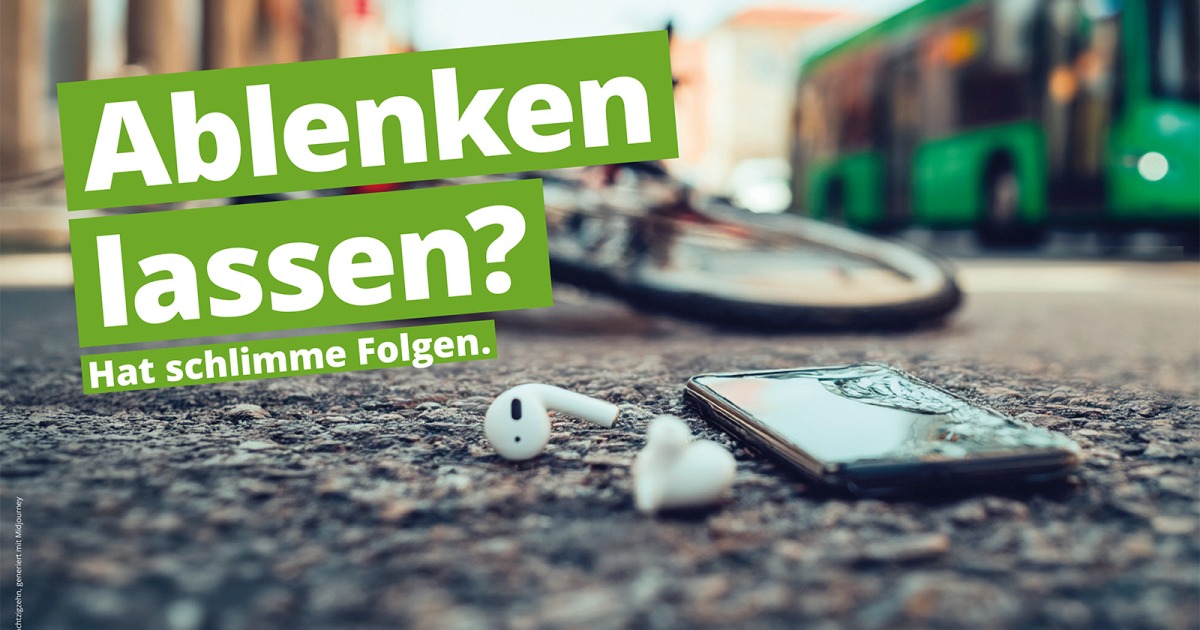
Public transportation safety in Graz, Austria, is facing critical challenges as uncertainties surrounding the interaction between buses, trams, and other road users lead to frequent dangerous situations. According to reports from local observers and urban traffic analysis, the “underestimated danger” stems from a lack of clear communication and behavioral predictability at shared transit points and intersections.
The core of the issue involves the complex choreography of the city’s “Bus und Bim” (bus and tram) network. When passengers, cyclists, and motorists misinterpret the intentions of public transport drivers or the right-of-way rules, the result is an increase in “near-miss” incidents. These hazards are particularly acute in high-traffic zones where transit vehicles must merge or stop abruptly to accommodate passengers.
City officials and transport operators are tasked with mitigating these risks through improved signage and public awareness campaigns. The goal is to reduce the cognitive load on road users, ensuring that the movement of heavy transit vehicles is predictable and that pedestrians are aware of the blind spots inherent in large buses and trams.
Why are bus and tram interactions causing accidents in Graz?
The danger arises primarily from a mismatch between driver expectations and the actual behavior of road users. In Graz, the integration of trams (Bim) and buses into a dense urban grid creates specific friction points. According to traffic safety guidelines, the sheer mass of a tram makes it unable to swerve or stop instantly, meaning any uncertainty in a pedestrian’s movement can lead to a catastrophic outcome.

Common triggers for these dangerous situations include:
- Unpredictable Pedestrian Crossing: Individuals stepping onto the tracks or road without verifying the transit vehicle’s speed.
- Cyclist Blind Spots: The large size of Graz’s public transport fleet creates significant blind spots, making it difficult for drivers to see cyclists filtering through traffic.
- Right-of-Way Confusion: Misunderstandings regarding who has priority at complex intersections where bus lanes intersect with general traffic.
These factors contribute to a volatile environment where a split-second hesitation or a misunderstood signal can result in a collision. The “underestimated” nature of this risk suggests that many road users do not perceive the inherent danger of these heavy vehicles until a critical incident occurs.
How does the “Bus und Bim” system impact urban mobility?
The Graz public transport system is designed for efficiency, but the physical constraints of the city’s layout often force buses and trams into tight quarters with private vehicles. According to the Holding Graz, the operator of the city’s transit, maintaining a reliable schedule requires vehicles to move decisively, which can sometimes conflict with the cautious movements of pedestrians or hesitant drivers.

When uncertainty occurs, it doesn’t just create a safety risk; it creates a ripple effect of delays. A single “near-miss” or a cautious stop due to an unpredictable pedestrian can delay multiple vehicles behind it, impacting the overall reliability of the network. This tension between the need for speed (to maintain schedules) and the need for extreme caution (to ensure safety) is a central challenge for the city’s traffic management.
What measures are being taken to improve road safety?
To combat these risks, the city of Graz and Holding Graz have focused on several infrastructure and educational initiatives. These include the optimization of boarding zones to separate waiting passengers from active traffic lanes and the implementation of clearer visual markers on the road to denote transit-only zones.
Safety experts emphasize that infrastructure alone cannot solve the problem. Behavioral change is required, specifically regarding the “visibility” of the road user. Drivers are encouraged to make eye contact with pedestrians, and pedestrians are urged to avoid standing too close to the curb when a tram is approaching. The use of high-visibility markings and updated signaling systems at key intersections aims to remove the ambiguity that leads to dangerous situations.
Furthermore, the city continues to evaluate the impact of “shared space” concepts, where the traditional boundaries between cars, bikes, and pedestrians are blurred. While these designs can slow traffic down, they can also increase the “uncertainty” mentioned in safety reports if the rules of engagement are not universally understood by all users.
What happens next for Graz traffic safety?
The city will continue to monitor accident data and “near-miss” reports to identify specific hotspots where the interaction between buses and trams remains hazardous. Future updates to the urban mobility plan are expected to further prioritize the separation of heavy transit from vulnerable road users through expanded pedestrian zones and improved cycling infrastructure.

For the latest official travel advisories and safety updates, residents and visitors are encouraged to monitor the Holding Graz official portal.
Do you have experience with the transit system in Graz? Share your thoughts on road safety in the comments below.