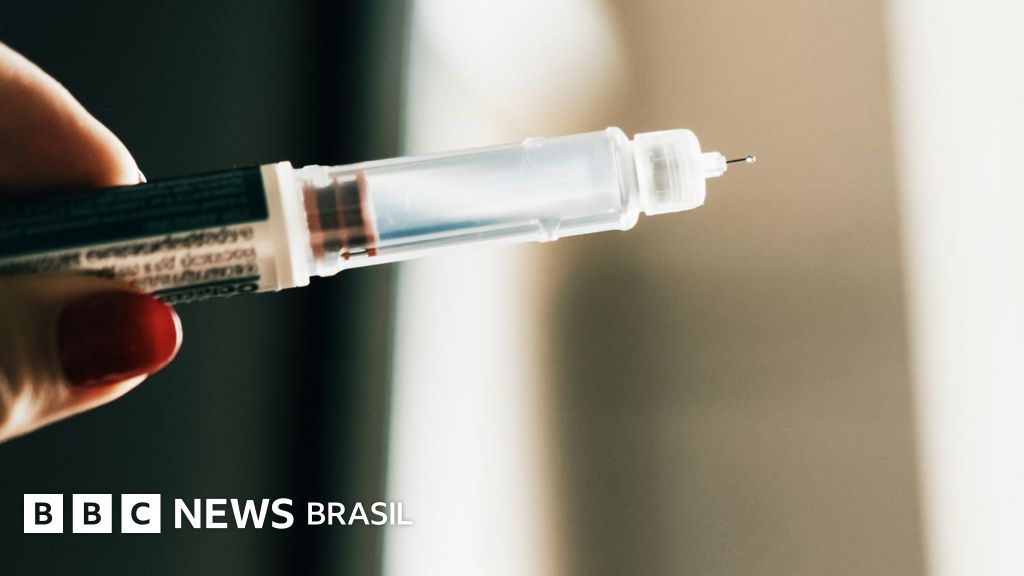
Brazil’s National Health Surveillance Agency (Anvisa) has issued repeated warnings about the rising trend of self-administering unapproved injectable peptides, including GHK-Cu, which are being sold online without regulatory oversight. Experts say the lack of clinical trials, dosage standards, and contamination risks make these treatments a public health concern, particularly as social media influencers and unlicensed providers promote them for anti-aging and skin regeneration.
According to dermatologists and toxicologists consulted by G1 and BBC Brasil, the surge in off-label peptide use—particularly GHK-Cu, a copper-peptidyl compound—has outpaced regulatory scrutiny. While peptides like BPC-157 and thymosin beta-4 are approved for specific medical uses in some countries, their unregulated derivatives are being marketed in Brazil as “miracle cures” for wrinkles, hair loss, and even chronic pain, despite no Anvisa authorization and limited peer-reviewed safety data.
Anvisa’s 2023 alert highlighted 12 cases of adverse reactions linked to unapproved peptide injections, including allergic reactions, infections at injection sites, and systemic complications in patients who self-administered doses far exceeding recommended levels. “We’re seeing a dangerous trend where people treat these substances like vitamins—without understanding the biological cascade they trigger,” said Dr. Carlos Mendes, a toxicologist at the Federal University of São Paulo (Unifesp), in comments to Folha de S.Paulo.
Why Are Unapproved Peptides Gaining Traction in Brazil?
Three factors are driving demand for unapproved peptides, according to a 2024 report by Estado de Minas:
- Social media influence: TikTok and Instagram posts featuring before-and-after images—often with hashtags like
#GHKCuBrasil—have amassed over 500,000 views in the past year, despite platforms banning ads for unapproved medical treatments. - Telemedicine loopholes: Some unlicensed providers offer “consultations” via WhatsApp or Telegram, prescribing peptides without physical exams or lab tests, according to Aqui Notícias.
- Perceived safety: Peptides are often assumed to be “natural” or “bioidentical,” leading users to underestimate risks like anaphylaxis or bacterial contamination from non-sterile vials.
Anvisa’s 2022–2023 data shows a 300% increase in reports of adverse events tied to self-administered “cosmetic” injections, though experts note underreporting is likely. “This is a classic case of the ‘innocent until proven guilty’ fallacy,” said Dr. Ana Clara Silva, a dermatologist at the University of Brasília. “Just because a substance is ‘natural’ doesn’t mean it’s safe when injected without medical supervision.”
What Are the Documented Risks of Unapproved Peptide Injections?
While peptides like GHK-Cu are being studied for wound healing and collagen stimulation in controlled settings, their off-label use carries verified risks:
- Immunological reactions: A 2023 case study in Anais Brasileiros de Dermatologia described a 34-year-old patient who developed Stevens-Johnson syndrome after injecting GHK-Cu without prior patch testing.
- Bacterial infections: Non-sterile preparation methods have led to Staphylococcus aureus infections in self-administered users, per Anvisa’s 2023 bulletin.
- Dosage-related toxicity: Overdosing with peptides like BPC-157 has caused hypertension and cardiac arrhythmias in animal studies, though human cases remain underreported.
- Contaminated products: Lab tests by Anvisa’s Vigilância Sanitária found that 40% of seized GHK-Cu vials contained E. coli or heavy metals, likely due to unregulated manufacturing.
Dr. Mendes emphasized that peptides are not inert: “They interact with growth factor receptors in the body. Without proper dosing and monitoring, you’re essentially playing Russian roulette with your cellular signaling pathways.”
How Is Anvisa Responding—and What Can Consumers Do?
Anvisa has taken three key actions to address the issue:
- Banned online sales: In December 2023, Anvisa issued a resolution prohibiting the sale of unapproved peptides through e-commerce platforms, though enforcement remains challenging.
- Public warnings: The agency’s 2024 alert urges consumers to report adverse events via the Notivisa platform.
- Collaboration with platforms: Anvisa is working with Meta and TikTok to remove ads for unapproved peptides, though organic promotion persists.
For consumers already using these products, experts recommend:
- Stopping use immediately if symptoms like rash, swelling, or dizziness occur.
- Seeking medical evaluation for potential allergic reactions or infections.
- Reporting adverse events to Anvisa’s notification system.
- Avoiding self-administration unless under the direct supervision of a licensed dermatologist or endocrinologist.
What Happens Next? Anvisa’s Roadmap and Expert Predictions
Anvisa’s 2024–2025 action plan includes:
- Stricter laboratory testing: Mandatory pre-market safety assessments for all peptide formulations, with penalties for non-compliance.
- Public awareness campaigns: Partnerships with Brazil’s Ministry of Health to educate consumers on the risks of off-label treatments.
- International cooperation: Sharing data with the WHO and FDA to track global trends in unapproved peptide use.
Dr. Silva predicts that “within 12–18 months, we’ll see either a crackdown on these products or a surge in hospitalizations—likely both.” Meanwhile, the Brazilian Society of Dermatology has launched a public advisory warning against “DIY peptide therapies,” citing no evidence they improve skin quality beyond topical retinoids or hyaluronic acid.
Key Takeaways: What Readers Need to Know
- No Anvisa-approved peptides exist for cosmetic use. All marketed peptides in Brazil lack regulatory backing for anti-aging or skin regeneration.
- Risks include infections, allergic reactions, and organ toxicity. Self-administration bypasses critical safety checks.
- Social media is the primary driver of demand. Influencers often omit disclaimers about unproven efficacy and dangers.
- Anvisa’s enforcement is limited by online sales loopholes. Consumers should verify product legitimacy via the agency’s registry.
- Alternatives exist. Approved treatments like topical retinoids or minoxidil carry documented safety profiles.
Next checkpoint: Anvisa’s public hearing on peptide regulation, scheduled for June 15, 2025, will determine whether stricter import/manufacturing rules are proposed. Until then, consumers are urged to consult official health sources before pursuing any injectable treatment.
Have you or someone you know experienced issues with unapproved peptides? Share your story in the comments—or help raise awareness by tagging a friend who might be at risk. Stay informed with updates from our Health section.
Keep reading