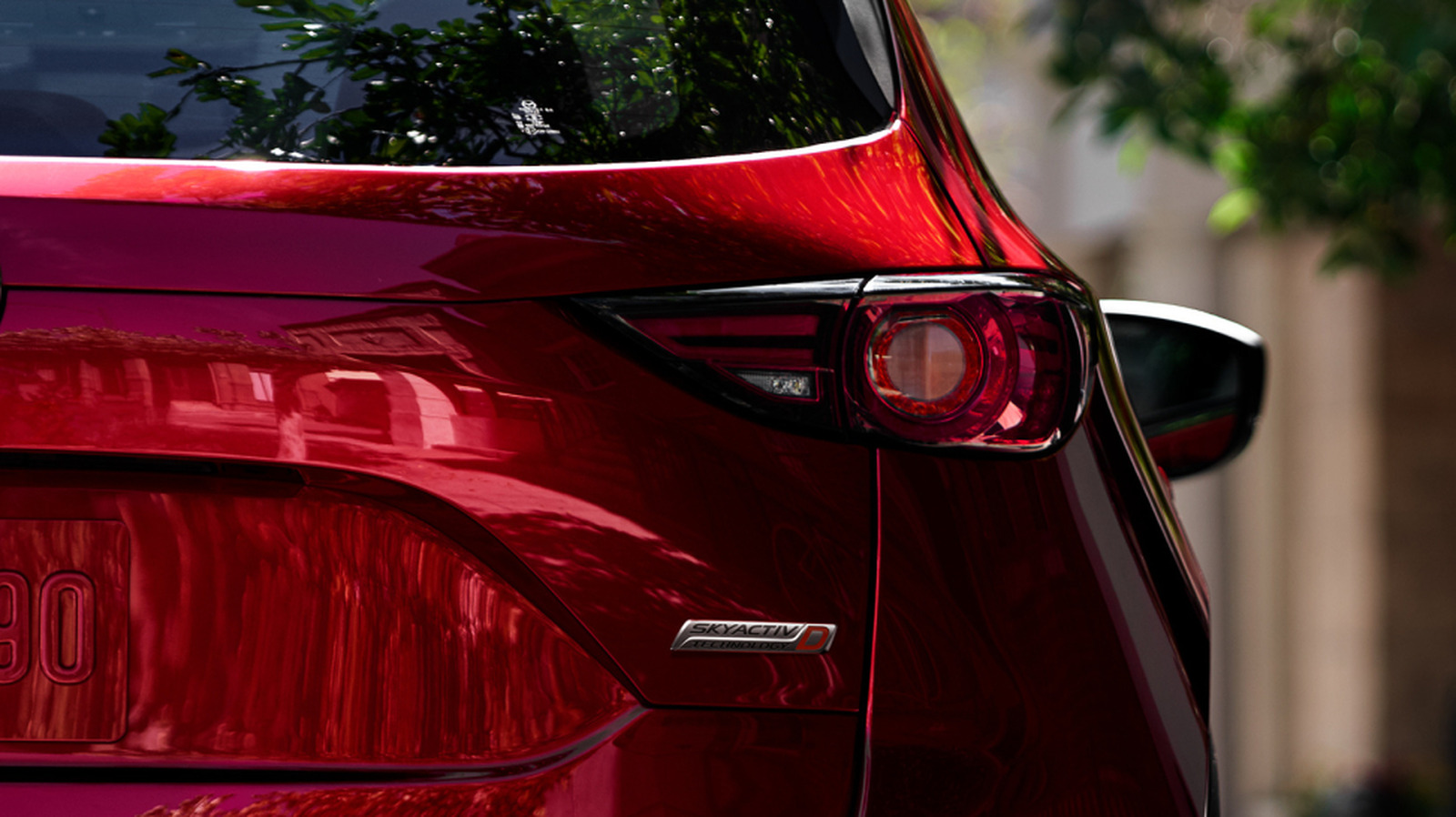
In the high-stakes world of automotive engineering, the internal combustion engine remains a marvel of complexity. For decades, the conversation regarding performance diesel technology has been dominated by European manufacturers, who have long pushed the boundaries of torque and thermal efficiency. However, when it comes to the specific pursuit of the highest-revving diesel engine, the record-holding engineering feat actually originates from an unexpected source: the Japanese automotive giant, Mazda.
While industry enthusiasts often look toward the performance divisions of German luxury brands when discussing sophisticated powertrain development, Mazda’s approach to diesel technology—specifically through its Skyactiv-D architecture—has redefined what is possible for consumer-grade compression-ignition engines. Achieving a high redline in a diesel engine is notoriously difficult due to the inherent physical limitations of heavy-duty fuel combustion and the slower flame propagation speeds compared to gasoline engines.
Engineering the Skyactiv-D Revolution
The quest for a high-revving diesel is not merely a marketing exercise; We see a fundamental challenge of physics. Traditional diesel engines are designed for low-end torque, typically operating within a narrow, lower-RPM band. To create an engine that behaves more like a gasoline counterpart, engineers must overcome significant obstacles, including high compression ratios and the potential for engine knock. Mazda’s solution, the Skyactiv-D, was engineered with a remarkably low compression ratio for a diesel, which allows the engine to spin more freely and reach higher revolutions without the traditional vibrations or stress associated with high-RPM diesel operation.
According to official technical documentation from Mazda, the Skyactiv-D 2.2-liter engine was designed to bridge the gap between diesel efficiency and gasoline-like responsiveness. By optimizing the combustion chamber shape and utilizing advanced multi-hole piezo injectors, the company achieved a redline that significantly exceeds the industry average for passenger vehicle diesel engines. This engineering philosophy prioritizes linear power delivery, allowing the driver to utilize a broader power band that is rarely seen in the diesel segment. You can read more about the evolution of these powertrain technologies in our deep dive on Mazda’s engineering milestones.
Why High RPMs Matter in Diesel Performance
For the average driver, the “highest-revving” title might seem like a niche statistic, but it carries significant implications for vehicle dynamics. Most diesel engines “run out of breath” early in the rev range, requiring frequent gear changes to stay within the power band. By extending the usable RPM range, a high-revving diesel provides a more engaging driving experience, offering consistent acceleration that persists long after a standard diesel would have required an upshift.
This technical achievement highlights a shift in how manufacturers are tackling emissions and efficiency. By controlling the combustion process more precisely, Mazda demonstrated that it is possible to maintain high performance without sacrificing the inherent fuel economy benefits of diesel. This approach has been a cornerstone of their strategy to offer “sustainable zoom-zoom,” a corporate philosophy centered on creating vehicles that are both environmentally conscious and genuinely fun to drive. For a broader look at current industry trends, visit our Tech Industry Trends archive.
The Global Context of Diesel Innovation
It is important to distinguish between consumer-grade passenger vehicles and massive industrial applications. While the automotive world celebrates Mazda for pushing the limits of the passenger diesel engine, industrial giants like Wärtsilä produce massive, slow-speed engines for maritime shipping. The Wärtsilä RT-flex96C, for example, is recognized as the world’s largest and most powerful diesel engine, though its operational speed is measured in mere dozens of revolutions per minute, completely opposite to the high-RPM goals of automotive engineers. The distinction serves as a reminder that “performance” in the diesel world is a multifaceted metric, varying wildly depending on whether the goal is moving a cargo ship or providing a spirited drive on a mountain road.
Looking Ahead: The Future of Internal Combustion
As the global automotive industry pivots toward electrification, the role of highly engineered diesel engines is evolving. Mazda continues to refine its powertrain offerings, balancing the legacy of the internal combustion engine with new hybrid and electrified platforms. The lessons learned from developing high-revving, efficient diesel motors are being applied to the next generation of engine management systems, ensuring that even as the industry shifts, the focus on mechanical excellence remains a priority.

The next major update regarding Mazda’s powertrain roadmap is expected during the company’s upcoming fiscal year-end presentation, where stakeholders anticipate further details on their multi-solution electrification strategy. We will continue to track these developments as they emerge. What are your thoughts on the future of diesel technology? Share your perspective in the comments below or join the conversation on our social channels.
Related reading