
From Feast to Figurative Speech: The Surprisingly Rich History of “Turkey”
Thanksgiving is nearly here, and with it, the certain presence of turkey on tables across the nation. But have you ever stopped to consider the story behind the bird’s cultural weight – beyond the appetizing gravy? It’s a tale that stretches back centuries, evolving from a practical food source to a surprisingly versatile element of our language.
A New World Arrival
Originally,turkeys weren’t a staple of the conventional English Thanksgiving feast. They’re native to North America, and were first encountered by European settlers. Ancient accounts suggest wild turkey was readily available and provided a substantial meal for early colonists, quickly becoming integrated into their celebrations.
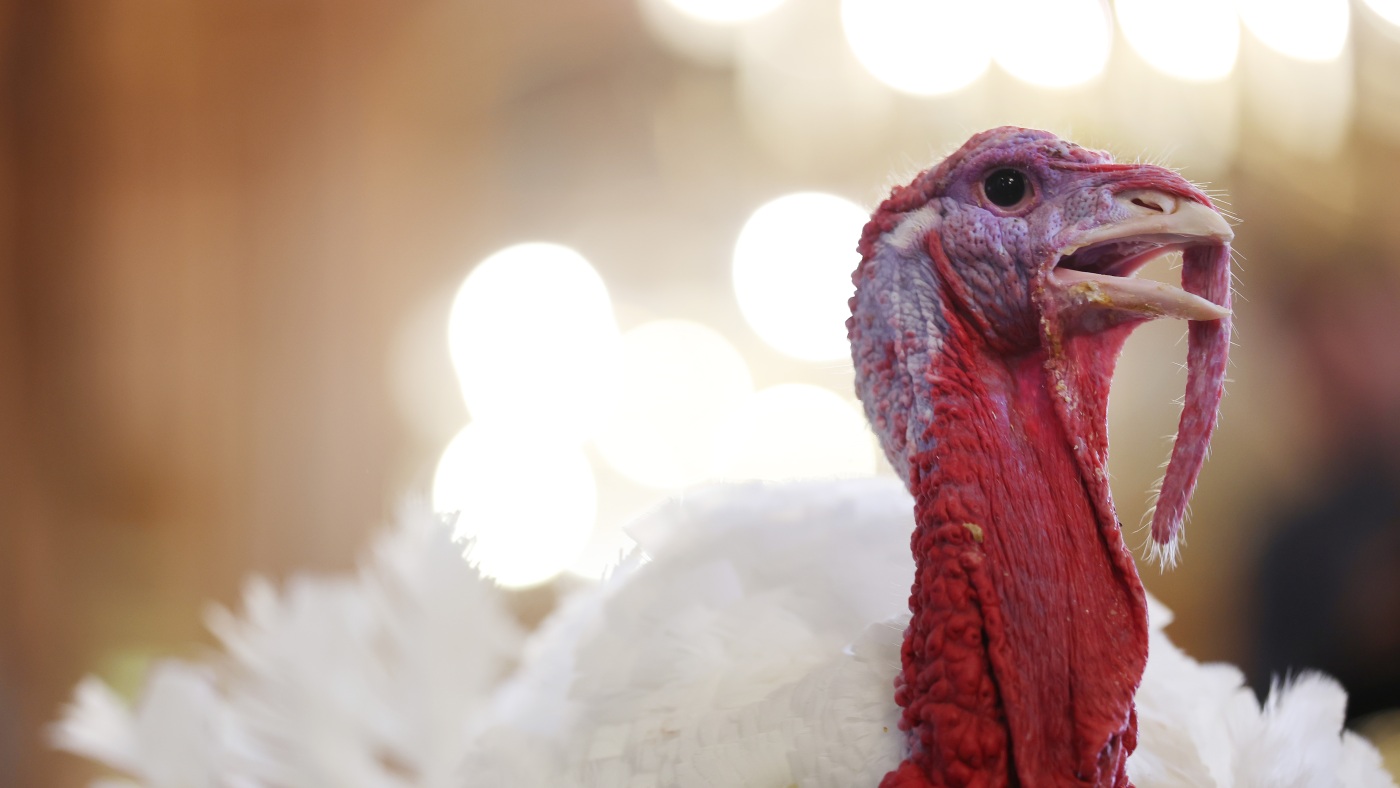
Over time, the turkey cemented its place as the centerpiece of Thanksgiving, largely due to its size and ability to feed a large gathering. It’s a tradition that continues today, with the annual presidential pardon of a lucky pair - like Peach and Blossom, the 2024 National Thanksgiving Turkeys – becoming a beloved national ritual.
beyond the Table: How “Turkey” Entered Our Language
But the turkey’s influence extends far beyond the dining room. The bird has lent itself to a fascinating array of idioms and expressions that have subtly shaped how we communicate. Let’s explore a few:
* Cold Turkey: You might associate this with quitting a bad habit, but its origins are surprisingly simple. Emerging in the late 19th century, “cold turkey” initially meant something done quickly and without fuss – much like serving a pre-cooked, cold turkey dish.
* talking Turkey: This phrase has undergone a significant shift in meaning. in the early 1800s, it signified being sociable and agreeable. By the early 20th century, it evolved to mean speaking plainly and frankly.
* Calling Someone a “Turkey”: This insult has theatrical roots. In the late 1800s, struggling actors were dubbed “turkey actors,” and the term eventually broadened to describe anything considered a failure – even a box office flop.
Why the Negative Connotations?
Why did “turkey” become associated with something undesirable? One theory suggests it’s a matter of appearance. The bird,while impressive in size,lacks the visual splendor of a peacock,leading to a perception of unwarranted pride. It’s a rather pointed observation, isn’t it?
Despite these sometimes unflattering associations, the word “turkey” has proven remarkably resilient. It’s a testament to its inherent memorability and, perhaps, a touch of ironic affection. after all, it’s a far more appealing sound than its scientific name, Meleagris gallopavo.
Ultimately, the story of “turkey” is a delightful reminder that language is a living, breathing entity, constantly evolving and reflecting our cultural experiences. So, this Thanksgiving, as you savor your meal, take a moment to appreciate the surprisingly rich history of the bird that brought us together – and gave us a few colorful phrases along the way.


