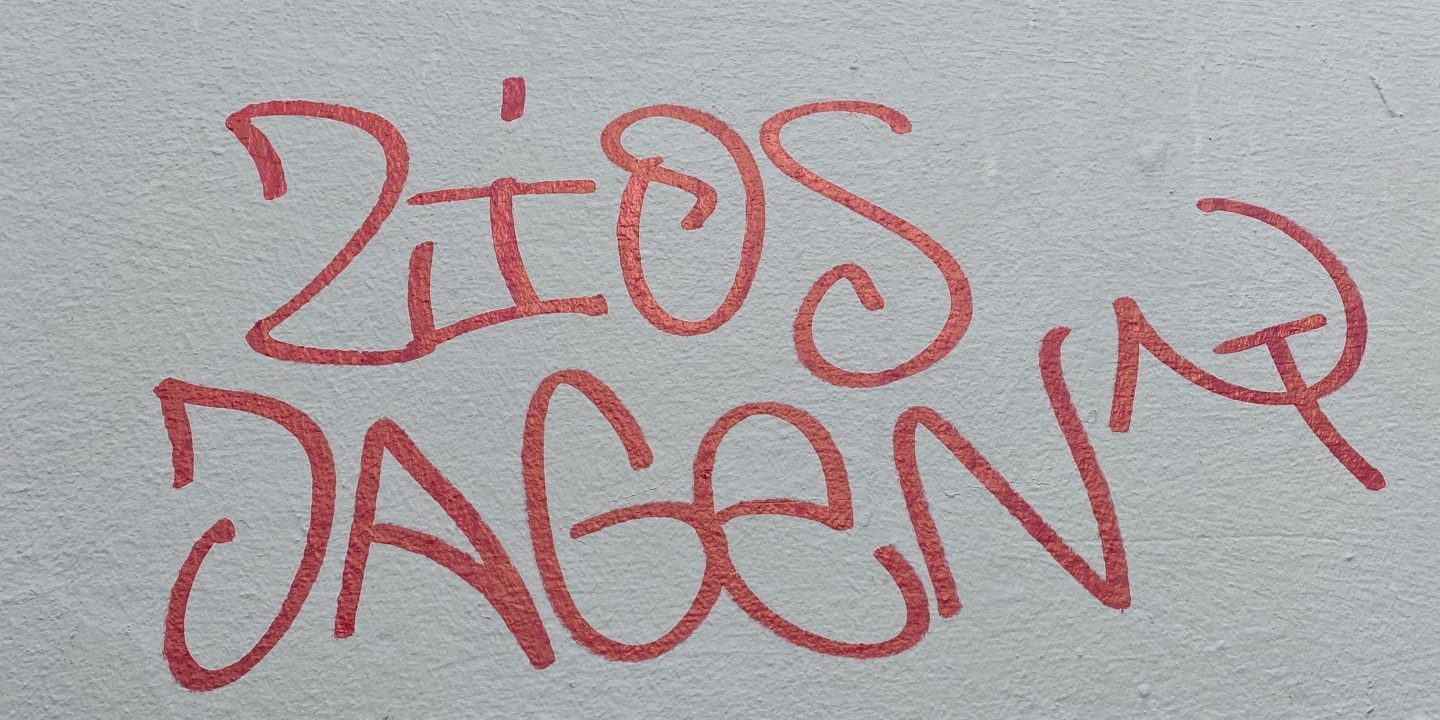
In the coastal city of Kiel, a disturbing trend of targeted harassment has emerged, with residents reporting the appearance of posters that explicitly call for violence against individuals identified as supporters of Israel. These materials, which feature prominent red triangles—a symbol often associated with the militant organization Hamas—have been found displayed across various public locations, including municipal waste bins and building walls.
The situation highlights a deepening environment of intimidation within the city. For those targeted, the appearance of these materials is not merely an act of vandalism but a direct, personalized threat. The posters frequently include the names and images of specific individuals and in at least one instance, a private residential address was allegedly disclosed. Local authorities and observers are monitoring the situation closely as the community grapples with the implications of such targeted hostility, which many characterize as a clear incitement to violence against those who publicly oppose antisemitism.
Understanding the Nature of the Intimidation
The campaign, which has seen dozens of these posters distributed throughout Kiel, utilizes highly aggressive rhetoric. The individuals featured on these flyers are labeled as “Zionist fascists” and “perpetrators.” By marking these individuals with the red triangle symbol, the perpetrators are employing a visual language that has been used by terror organizations to designate targets. This tactic is designed to isolate the victims and create an atmosphere of pervasive fear.
For the activists involved, this development represents a significant escalation. Reports indicate that these incidents are part of a broader pattern of harassment that has been building over the past year. Some of the individuals targeted have previously reported being confronted at political demonstrations or discovering stickers near their homes with messages such as “We see you,” which function as a psychological pressure tactic intended to track and unsettle the victims in their daily lives.
Community Impact and Safety Concerns
The psychological toll on those targeted is significant. Many activists have expressed a profound sense of isolation and anxiety as they navigate their daily routines. The fear of being tracked or confronted in private spaces, such as near their homes, has forced a reevaluation of their personal security. While community members and the affected individuals have taken proactive steps to remove the posters as soon as they are discovered, the persistence of these actions suggests a calculated effort to suppress political expression and silence opposition to antisemitism.
The use of public infrastructure—such as trash receptacles—to display these messages underscores a brazen disregard for public order and safety. Local civil society groups and those committed to the fight against antisemitism are increasingly concerned about the potential for these online and offline threats to manifest as physical harm. The labeling of activists as “enemies” serves to dehumanize them, lowering the threshold for potential violence in the public sphere.
Legal and Social Context
In Germany, the use of symbols associated with designated terrorist organizations, as well as the public incitement to violence or the defamation of individuals, can trigger significant legal consequences under the German Criminal Code (Strafgesetzbuch). Authorities are tasked with balancing the protection of free speech with the necessity of maintaining public order and protecting citizens from harassment and threats. The investigation into these specific incidents in Kiel is ongoing, and the community awaits further updates regarding potential measures to identify those responsible for the distribution of the materials.
Public discourse surrounding these events often emphasizes the importance of solidarity with those who are targeted for their beliefs. As the investigation proceeds, the focus remains on ensuring the safety of the individuals named and maintaining a city environment where political engagement is not met with threats of violence. For those interested in tracking the official response or seeking safety resources, We see recommended to monitor updates from local law enforcement and municipal authorities regarding public safety protocols and reporting mechanisms for hate-motivated incidents.
We will continue to provide updates as more information becomes available regarding the investigation into these incidents. If you have any thoughts on how communities can better protect activists from targeted harassment, please share your perspective in the comments section below.