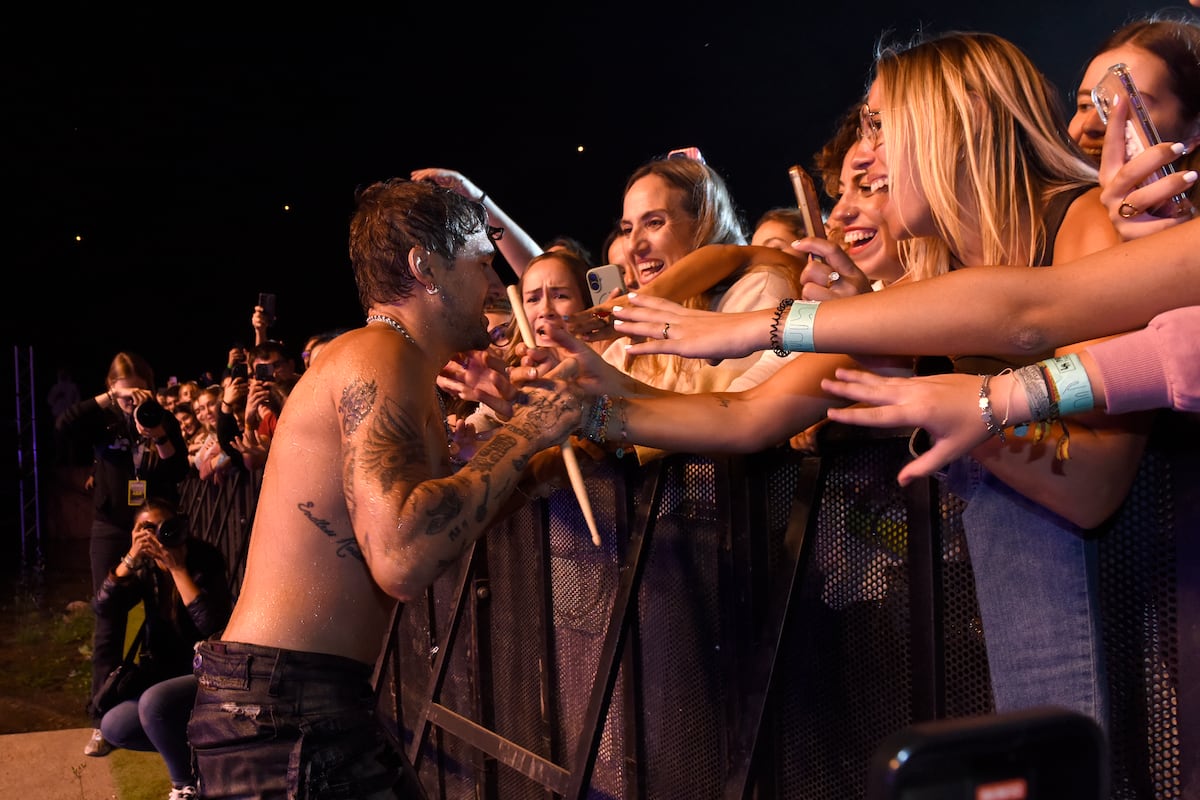
Behind every massive stadium tour and intricate live concert lies an invisible army of logistics directors, tour managers, and production coordinators who turn artistic visions into reality. While fans focus on the performers onstage, the intricate machinery of live entertainment depends on a precise, high-stakes operational framework that spans months of planning and sleepless nights on the road.
As the live music industry continues to experience massive global growth, the role of concert production professionals has shifted from background coordination to a critical pillar of modern entertainment economics. According to industry data, large-scale live music operations require orchestrating hundreds of crew members, navigating complex local regulations, and managing multi-million-dollar budgets to ensure every show goes off without a hitch.
For music fans and aspiring industry professionals alike, understanding this hidden world sheds light on the sheer scale required to deliver unforgettable nights of live performance. Let us examine how these production teams operate behind the scenes, who is affected by their work, and what it takes to keep the music playing night after night.
The Anatomy of a Live Tour: Planning Months Before the First Chord Strikes
Long before an artist steps onto the stage, production teams begin mapping out the logistical puzzle of a tour. This phase involves booking venues, designing stage layouts that can fit into varying arenas, and securing transport fleets for lighting rigs, sound systems, and backline equipment. Production managers work closely with tour accountants and booking agents to balance ambitious creative ideas against strict financial and physical limitations.
According to production veterans, one of the most challenging aspects of modern touring is route planning. Moving massive amounts of staging equipment across international borders introduces customs delays, varying local labor laws, and strict venue curfews. To mitigate these risks, production coordinators draft exhaustive schedules that account for travel times between cities, load-in windows, and mandatory crew rest periods. When a single truck delay can jeopardize an entire arena show, precision timing becomes the most valuable asset on the road.
On-the-Ground Execution: A Day in the Life of a Production Crew
On show day, the pace accelerates dramatically. Long before doors open to the public, the production crew initiates a meticulously rehearsed sequence known as the load-in. Heavy machinery and flight cases pour out of semi-trucks, while local stagehands work alongside traveling technicians to rig lighting trusses and calibrate acoustic arrays.
Every department—from audio engineering and video production to wardrobe and catering—operates under intense time pressure. Safety is paramount during this phase, as rigging heavy equipment overhead requires strict adherence to international safety protocols and local labor standards. Production directors coordinate real-time problem solving, handling everything from unexpected venue constraints to last-minute equipment replacements. This high-pressure environment demands calm leadership and deep technical expertise, traits that define veteran tour managers and stage producers.
Economic Impact and Stakeholders in Modern Live Entertainment
The success of a concert production extends far beyond the touring crew and the headlining artist. Local economies rely heavily on the influx of concertgoers who patronize nearby hotels, restaurants, and transportation services. City officials and venue operators coordinate directly with tour producers to manage crowd control, public safety, and traffic flow during major events.
Furthermore, technological advancements have transformed what audiences expect from live shows. Immersive LED screens, complex pyrotechnics, and spatial audio setups require specialized technicians who double as software engineers and hardware experts. As production demands grow more sophisticated, the collaboration between artists, promoters, and technical crews becomes increasingly vital to the long-term sustainability of the live touring industry.
For those looking to track upcoming industry standards or explore professional standards in event production, organizations like the International Live Events Association offer ongoing resources, safety guidelines, and educational pathways for new entrants into the field.
Next Steps in Live Production Technology and Touring Standards
As the live entertainment sector prepares for upcoming global tour cycles, industry associations and production unions continue to evaluate safety guidelines, scheduling standards, and crew welfare policies. Upcoming conferences and industry trade events are scheduled to address sustainable touring practices and new digital routing technologies. Readers interested in following these developments can monitor official announcements from major live entertainment trade bodies as the industry adapts to new logistical challenges.
We welcome your thoughts on the unseen work that powers your favorite concerts. Share your perspective or join the discussion in the comments section below.
Keep reading