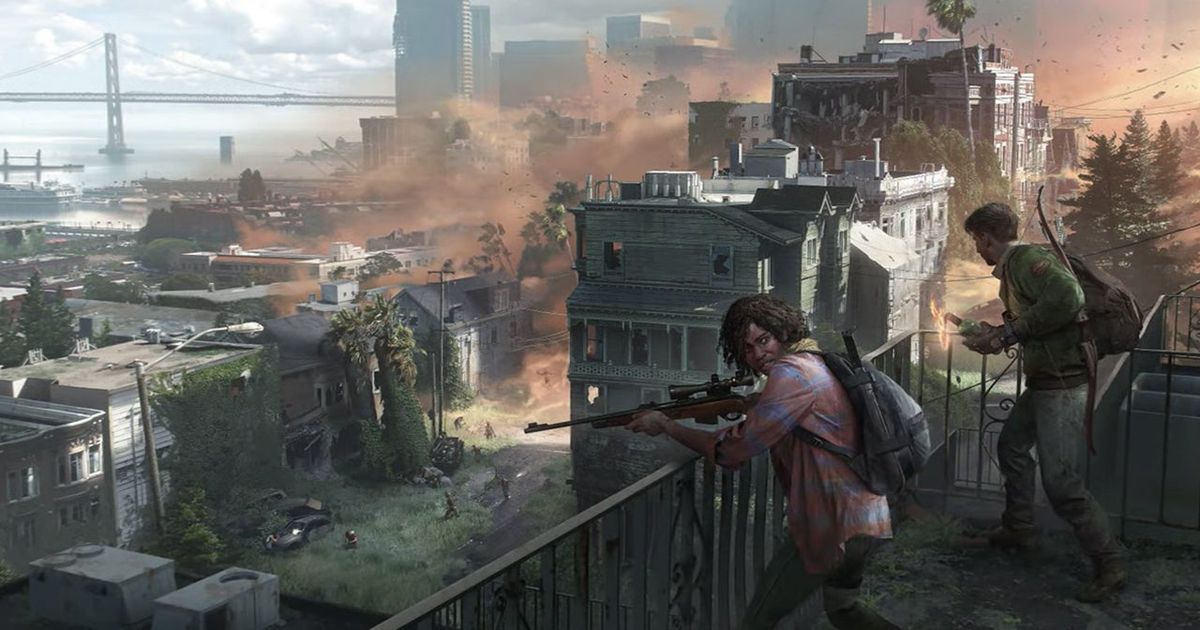
The gaming industry is no stranger to the sudden disappearance of highly anticipated projects, but few instances are as poignant as the recent revelation that Naughty Dog canceled The Last of Us Online. In a development that has sent shockwaves through the community, details have emerged regarding the state of the project and the timing of its termination, painting a picture of a game that was nearly ready for the public eye.
For many, the cancellation represents more than just a lost product; it is a significant blow to a development team that had invested years of effort into expanding one of the most critically acclaimed universes in modern gaming. The project, aimed at bringing a competitive multiplayer experience to the world of The Last of Us, was reportedly in its final stages of production before the decision was made to pull the plug.
The revelation comes as a stark reminder of the volatility of high-budget game development, where internal shifts in strategy or corporate directives can override years of technical progress. As the industry continues to evolve, the story of this canceled multiplayer title serves as a case study in the human and professional cost of “soul-crushing” project terminations.
A Director’s Sudden Departure from the Project
The circumstances surrounding the cancellation were particularly abrupt for the leadership involved. The director of The Last of Us Online has revealed that they only learned the game was being scrapped 24 hours before the public announcement was made via IGN, Game Developer, and Kotaku. For a creative lead, such a narrow window between the internal decision and the public disclosure underscores a jarring transition from active development to total cessation.

Describing the experience as “soul-crushing,” the director expressed deep frustration that the project never reached the players. The emotional weight of such a cancellation is often magnified when a project is perceived to be on the verge of success, leaving the development team to reconcile years of labor with a product that will never see a commercial release.
Development Progress and Internal Reception
One of the most striking aspects of the cancellation is how far the game had progressed. According to the project’s director, The Last of Us Online was approximately 80% complete at the time Naughty Dog decided to cancel it via IGN, Game Developer, and Kotaku. In the context of AAA software development, an 80% completion rate typically suggests that the core mechanics, narrative arcs, and primary systems are functional, with the remaining work focusing on polishing, bug fixing, and optimization.
the director noted that the game was “incredibly close to done” and had been performing “really well internally.” This suggests that the cancellation was not necessarily a result of technical failure or a lack of quality, but rather a strategic pivot. When a project is performing well within internal playtests and milestones, its sudden removal can be particularly tough for the staff to process, as the internal evidence pointed toward a successful launch.
Community Reaction and Industry Impact
The news has not been received well by the fanbase. Reports indicate that The Last of Us fans are “heartbroken” over the cancellation of the game via ScreenRant. The anticipation for a multiplayer expansion of the franchise was high, given the strong storytelling and atmospheric world-building of the single-player entries.
From a broader industry perspective, this event highlights the risks associated with long-term development cycles. The transition from a vision to a finished product in the modern gaming landscape is fraught with challenges, including shifting market trends and the immense pressure to deliver “perfect” experiences. When Naughty Dog canceled The Last of Us Online, they didn’t just remove a product from the pipeline; they ended a specific creative vision that had been nurtured over several years.
Key Takeaways of the Cancellation
- Completion Status: The game was estimated to be 80% complete before it was scrapped.
- Internal Performance: Reports indicate the game was doing “really well internally” and was considered “very close to done.”
- Timing: The project’s director was notified of the cancellation only 24 hours before the news became public.
- Emotional Toll: The director described the termination of the project as “soul-crushing.”
- Fan Response: The gaming community has expressed significant heartbreak over the loss of the multiplayer experience.
While Naughty Dog has not provided an exhaustive public explanation for the decision, the fallout reveals the precarious nature of creative work in the corporate gaming environment. The loss of a project that was nearly complete serves as a cautionary tale about the gap between development success and commercial viability.
At this time, there are no further confirmed updates or scheduled announcements regarding the future of the multiplayer project or potential alternatives from Naughty Dog. We will continue to monitor official channels for any new information.
What are your thoughts on the cancellation of The Last of Us Online? Do you think the industry is becoming too risk-averse with high-budget projects? Share your views in the comments below.
Keep reading