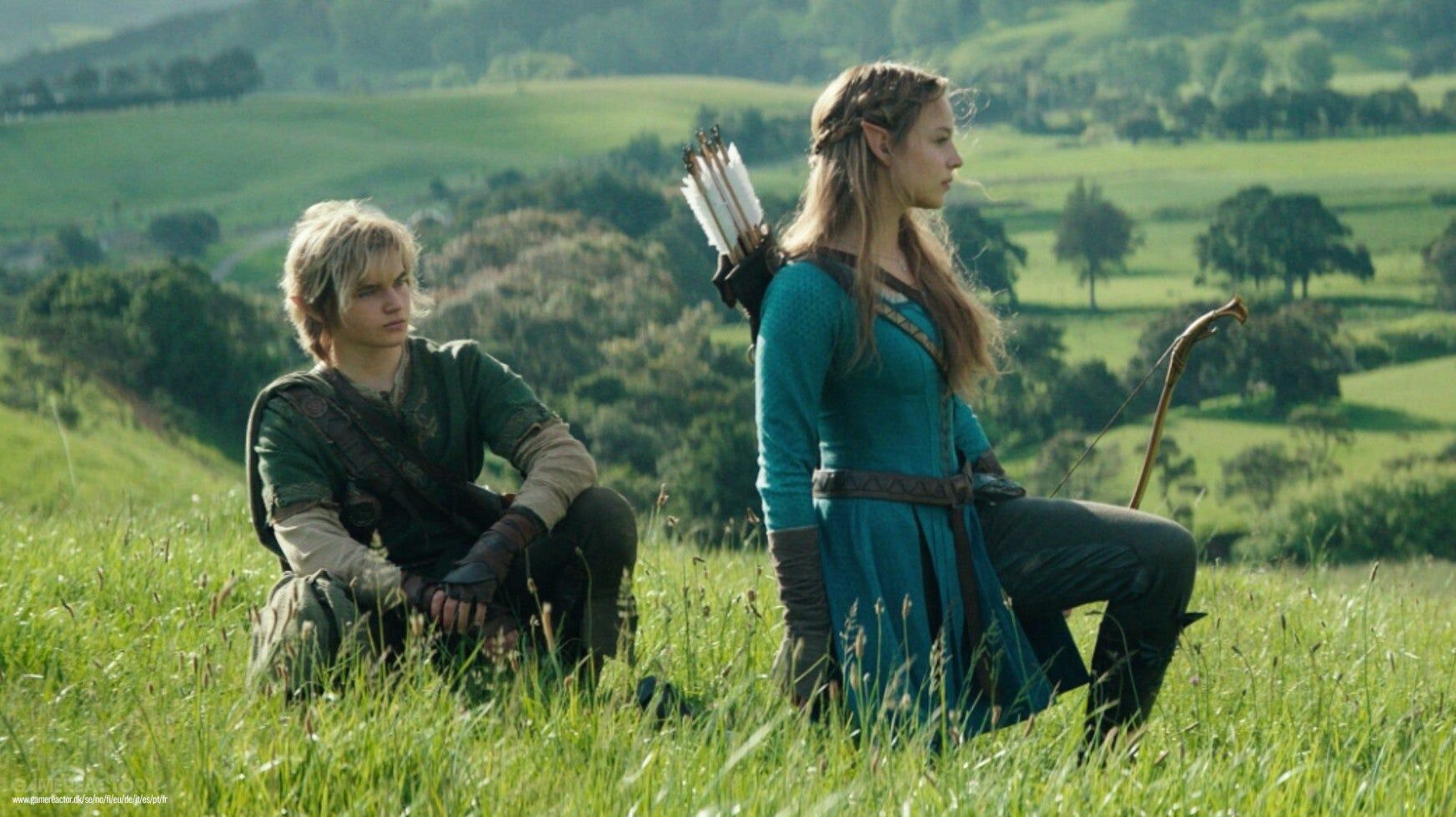
For decades, the rolling hills of Hyrule and the courageous journey of Link have existed primarily within the glow of a television screen. However, the transition from pixels to prestige cinema is officially underway. Nintendo, the gaming giant known for its protective stance over its intellectual property, has entered a high-stakes partnership with Sony Pictures to bring The Legend of Zelda to the silver screen in a live-action format.
The announcement of a live-action Legend of Zelda movie marks a pivotal shift in Nintendo’s corporate strategy. After years of caution following the critical failure of the 1993 Super Mario Bros. film, the company has rediscovered the cinematic potential of its worlds. Following the historic commercial success of The Super Mario Bros. Movie, Nintendo is now leaning into a “transmedia” approach, aiming to expand its most beloved franchises into entertainment mediums beyond gaming.
While the internet is currently buzzing with speculative release windows and unconfirmed casting lists, the official details remain tightly guarded. What is confirmed, however, is the creative leadership steering the ship and the immense expectations placed upon the project to capture the ethereal, adventurous spirit of the game series.
The Creative Vision: Wes Ball and Shigeru Miyamoto
To translate the vastness of Hyrule into a tangible reality, Nintendo has tapped Wes Ball to direct the feature. Ball, known for his work on the Maze Runner trilogy and Kingdom of the Planet of the Apes, brings a proven track record of blending large-scale world-building with high-concept action. His experience with CGI-heavy environments is seen as a critical asset for a film that must render a fantasy world that feels both grounded and magical.

Crucially, the project is not being handed over to Hollywood entirely. Shigeru Miyamoto, the legendary creator of the Zelda series, is serving as a producer. Miyamoto’s involvement ensures that the core essence of the characters—Link, Zelda, and Ganondorf—remains intact. This collaborative model, which mirrored the production of the Mario film, allows Nintendo to maintain strict creative control while leveraging the technical expertise of a major studio like Sony Pictures.
The challenge for Ball and Miyamoto lies in the narrative structure. Unlike many game franchises, The Legend of Zelda often features a non-linear or cyclical history with multiple timelines and incarnations of its heroes. The production team must decide whether to adapt a specific game’s plot or create an original story that encapsulates the series’ themes of courage, wisdom, and power.
The ‘Mario Effect’ and the New Era of Game Cinema
The momentum behind the Zelda movie cannot be understood without acknowledging the “Mario Effect.” The 2023 animated hit proved that video game adaptations could be both critically respected and financially dominant, grossing over $1 billion globally. This success dismantled the long-held “video game movie curse,” providing Nintendo with a blueprint for success: stay true to the source material, prioritize visual fidelity, and keep the storytelling accessible.
However, a live-action approach for Zelda represents a different risk than the animation used for Mario. Live-action requires a higher degree of believability in costume and set design to avoid the “uncanny valley” or appearing campy. The shift toward live-action suggests that Nintendo views Zelda as a more atmospheric, epic fantasy—closer in tone to The Lord of the Rings than a whimsical cartoon.
This move also signals a broader industry trend. We are seeing a golden age of game-to-screen adaptations, with series like The Last of Us and Fallout proving that mature, high-budget storytelling can attract audiences far beyond the gaming community. By partnering with Sony, Nintendo is positioning Zelda to compete in this premium cinematic space.
Navigating the Rumor Mill: Release Dates and Casting
As with any project of this magnitude, the vacuum of official information has been filled by intense online speculation. Various reports and community-led wikis have suggested specific release dates in 2027 and named potential actors for the roles of Link and Princess Zelda. It is crucial for fans to note that neither Nintendo nor Sony Pictures has officially confirmed a premiere date or a cast list.
The process of casting a silent protagonist like Link is particularly complex. Much of Link’s appeal is his role as a vessel for the player. translating that into a fleshed-out cinematic character requires a delicate balance of performance and silence. Similarly, the role of Zelda must evolve from a damsel in distress—a trope the games have largely moved away from in recent years—into a proactive leader and strategist.
While the 2027 window is a common point of discussion among industry analysts and fans, production timelines for high-fantasy epics are notoriously fluid. The focus for the studio is likely on pre-production and conceptual art to ensure the visual language of Hyrule is perfected before principal photography begins.
What Which means for the Future of Hyrule
The Legend of Zelda movie is more than just a film; it is a test of whether Nintendo can successfully build a cinematic universe. If the film succeeds, it opens the door for other franchises, such as Metroid or Fire Emblem, to receive similar treatments. It also creates a symbiotic relationship where the movie can drive new players to the games, and the games can serve as a continuous marketing engine for the film.

For the global audience, the appeal lies in the universality of the Zelda mythos. The themes of an underdog rising to meet an insurmountable challenge are timeless. By bringing this story to a global cinema audience, Nintendo is transitioning from a toy and software company to a comprehensive entertainment powerhouse.
As we move forward, the most reliable way to track the project’s progress is through official Nintendo Direct presentations or press releases from Sony Pictures. Until then, the world waits to see how the Master Sword will look on the big screen.
Next Checkpoint: While no official date is set, industry eyes are on upcoming Nintendo financial briefings and major gaming showcases for potential teasers or production updates.
Do you think a live-action approach is the right move for Hyrule, or should Nintendo have stuck with animation? Let us know your thoughts in the comments below.
Worth a look