
Pulse pressure—the mathematical difference between systolic and diastolic blood pressure—serves as a critical, yet frequently overlooked, indicator of long-term cardiovascular health. While clinical focus typically remains on the two primary numbers of a blood pressure reading, recent medical research underscores that this gap provides essential insight into arterial stiffness and potential risks for heart disease and stroke, according to data from the American Heart Association (AHA).
As a physician, I frequently observe that patients are well-versed in their systolic (top number) and diastolic (bottom number) readings. However, understanding the relationship between these two figures is equally vital. When the arteries lose their elasticity, a condition known as arterial stiffening, the pulse pressure often widens. This phenomenon is a recognized marker of vascular aging and a predictor of adverse health outcomes, as noted by the Mayo Clinic.
Understanding the Mechanics of Pulse Pressure
To calculate pulse pressure, one simply subtracts the diastolic pressure from the systolic pressure. For example, if a blood pressure reading is 120/80 mmHg, the pulse pressure is 40 mmHg. Generally, a pulse pressure greater than 40 mmHg is considered a risk factor, particularly in older adults, though it is the persistent elevation above this range that warrants clinical attention.

The clinical significance lies in what this number reveals about the circulatory system. Systolic pressure represents the force exerted on the artery walls when the heart contracts, while diastolic pressure measures the force when the heart rests between beats. When arteries become stiff—often due to atherosclerosis or age-related changes—the heart must work harder to push blood through the system. This increases the systolic pressure while potentially decreasing or keeping the diastolic pressure stable, thereby widening the gap, according to research published by the National Institutes of Health (NIH).
Why the Gap Matters for Long-Term Heart Health
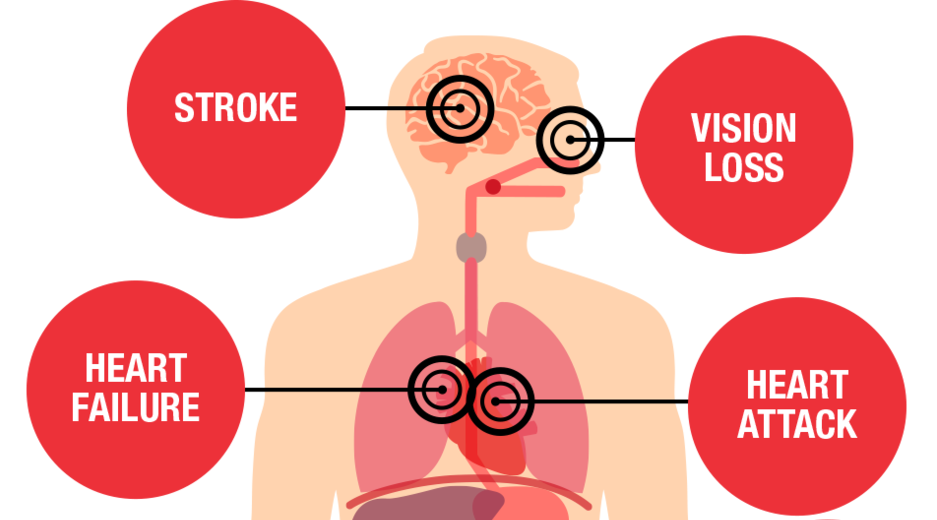
A widened pulse pressure is not merely a number; it is a mechanical signal of increased strain on the heart and the microvasculature of the brain. High pulse pressure can indicate that the heart’s left ventricle is under excessive stress, which may lead to left ventricular hypertrophy, or thickening of the heart muscle. Over time, this structural change increases the likelihood of heart failure.

Furthermore, the brain is highly sensitive to the pulsatile flow of blood. Excessive pressure fluctuations can damage the delicate small vessels in the brain, which is associated with an increased risk of cognitive decline and stroke. The American Heart Association highlights that managing blood pressure holistically—not just focusing on the systolic number—is essential for comprehensive stroke prevention.
Clinical Perspectives on Arterial Stiffness
In my practice at Charité, I emphasize that pulse pressure should be viewed as part of a broader cardiovascular risk profile rather than an isolated diagnostic tool. Factors such as smoking, physical inactivity, and a diet high in sodium contribute significantly to arterial stiffening. Conversely, lifestyle modifications—including regular aerobic exercise, weight management, and smoking cessation—have been shown to improve arterial elasticity and lower blood pressure effectively, according to guidelines from the European Society of Cardiology (ESC).
Patients with consistently high pulse pressure readings should consult their primary care physician for a cardiovascular risk assessment. This may involve a review of the patient’s lipid profile, glucose levels, and overall medical history to determine if pharmacological intervention or more intensive lifestyle coaching is necessary.
Key Takeaways for Monitoring
- Calculation: Subtract your diastolic reading from your systolic reading to find your pulse pressure.
- Typical Range: A pulse pressure of 40 mmHg is considered normal for most healthy adults.
- Risk Factor: A pulse pressure consistently above 60 mmHg in older adults is often associated with higher cardiovascular risk.
- Action: If you notice a trend of widening pulse pressure, discuss it with your doctor during your next routine check-up.
Medical guidelines are subject to updates as new clinical trials emerge. Patients should rely on their healthcare providers to interpret these readings within the context of their individual health status. For those interested in tracking their numbers, the American Heart Association provides resources on how to perform accurate home blood pressure monitoring.
Staying informed about cardiovascular health is a continuous process. If you have concerns about your blood pressure trends, please consult your physician to schedule an assessment. We encourage readers to share this information with those who might benefit from a better understanding of their cardiovascular markers. Your comments and questions are welcome as we continue to provide evidence-based insights into medical wellness.
Related reading