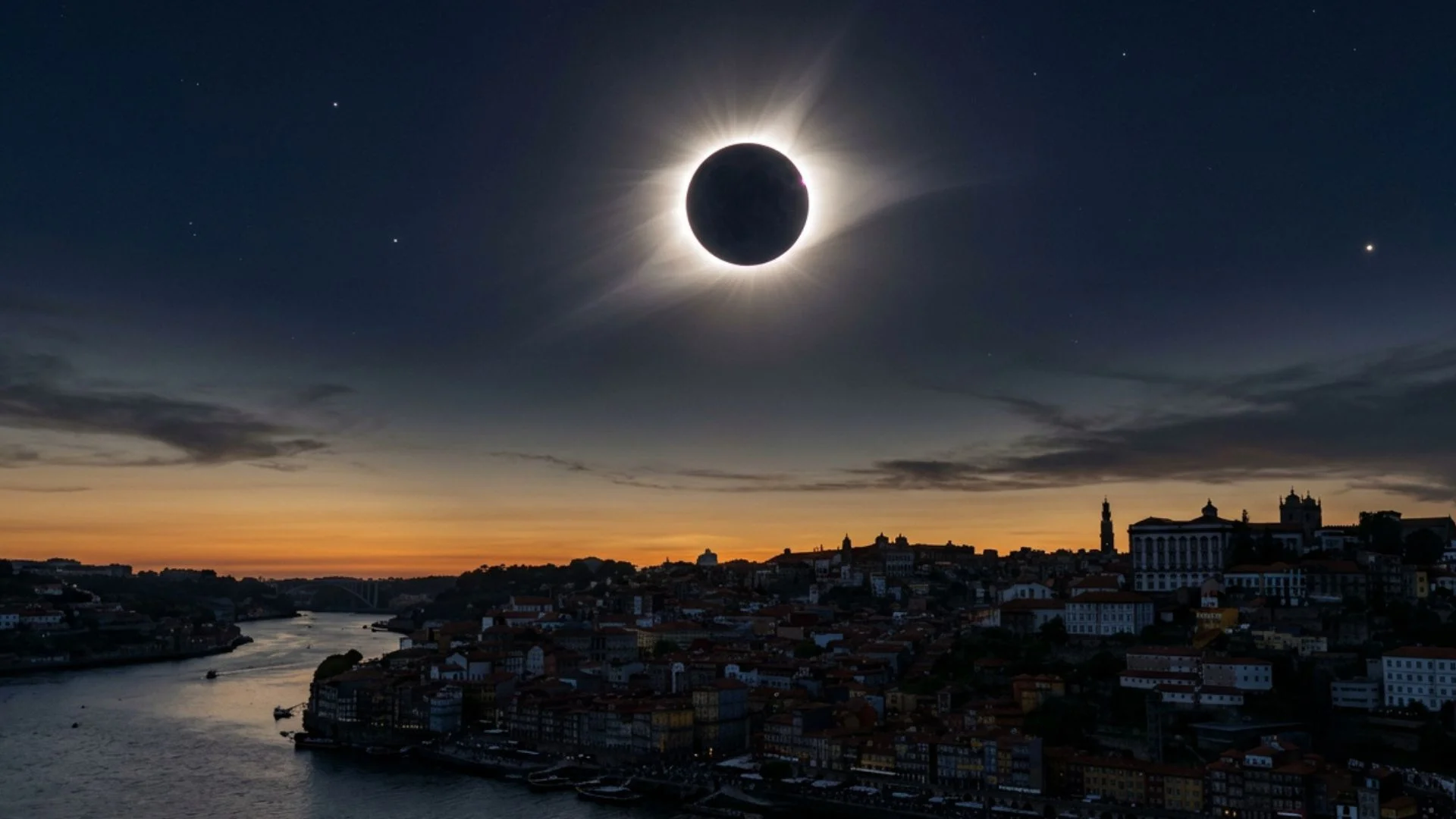
On August 2, 2027, a total solar eclipse will cross the Earth, offering a duration of totality that astronomers describe as one of the longest for a single event in the 21st century.
Understanding the 2027 Solar Eclipse Path
The 2027 event is significant due to its extended period of darkness. While total solar eclipses occur periodically, the duration of totality varies based on the Moon's distance from Earth and the observer's location along the path.

The 2027 eclipse stands out because the Moon will be near its perigee—its closest point to Earth—making it appear larger in the sky and allowing it to cover the Sun for a more extended period.
Observing the Phenomenon Safely
Viewing a total solar eclipse requires strict adherence to safety protocols to prevent permanent eye damage.
For those planning to observe the 2027 event, preparation is essential.
Historical Context and Rarity
Total solar eclipses are not rare globally, but experiencing one at a specific location is infrequent. The rarity of the 2027 event is highlighted by the specific geometry of the lunar shadow. The specific 6-minute duration in 2027 is a result of the Moon's orbital mechanics, which will align to produce such a long duration only periodically.
This gap underscores the unique opportunity for researchers and enthusiasts to study the solar corona for an extended window of time.
What Happens During Totality
When the Moon completely covers the Sun, the sky will darken as if it were twilight, and the solar corona—the Sun’s outer atmosphere—will become visible. This brief period of darkness often causes temperature drops and changes in animal behavior. Scientists use these moments to study the solar atmosphere, which is usually obscured by the Sun's intense brightness.
As the date approaches, updates regarding the precise timing for specific cities and coordinates will be published by international astronomical unions. Interested observers are encouraged to monitor official government meteorological websites in the host countries for weather forecasts and local viewing guidelines as the event nears.