
As a physician, one of the most common concerns I address in my clinical practice is persistent halitosis, or chronic bad breath. It is a condition that affects both social confidence and personal well-being, yet many patients express frustration when their daily oral hygiene routines—often rigorous—fail to eliminate the problem. The persistent nature of oral malodor suggests that while surface-level cleaning is essential, it may not be addressing the underlying physiological or mechanical factors contributing to the condition.
Understanding why bad breath persists despite regular brushing requires us to look beyond the surface of the teeth. Clinical evidence suggests that the root causes of halitosis are often multifaceted, involving the complex microbiome of the oral cavity, systemic physiological changes, and the effectiveness of mechanical plaque removal techniques. When routine hygiene falls short, it is rarely due to a lack of effort; rather, it is often a matter of missing specific areas where odor-producing bacteria thrive.
The Mechanics of Oral Malodor: Why Brushing Isn’t Always Enough
The primary driver of most cases of bad breath is the accumulation of volatile sulfur compounds (VSCs) produced by anaerobic bacteria. These microorganisms thrive in oxygen-deprived environments, particularly within the oral cavity. While brushing the teeth is fundamental, it often fails to reach the deep recesses where these bacteria colonize. According to the American Dental Association (ADA), the most frequent cause of persistent bad breath is poor oral hygiene, which allows food particles and bacteria to remain trapped, leading to the breakdown of proteins and the subsequent release of malodorous gases.

One of the most overlooked areas in daily hygiene is the tongue. The surface of the tongue—specifically the posterior third—is covered in tiny projections called papillae, which create a vast surface area that can harbor food debris and bacteria. If this area is not consistently cleaned, it acts as a reservoir for odor-causing pathogens. Interdental spaces—the gaps between teeth—are notoriously difficult to clean with a standard toothbrush. If flossing or the use of interdental brushes is not part of the daily regimen, the biofilm that develops in these spaces can remain undisturbed, continuing to produce odors despite a bright, clean-looking smile.
Systemic Factors and Oral Dryness
Beyond mechanical cleaning, the chemical environment of the mouth plays a pivotal role in breath quality. Saliva is our primary defense against oral malodor; it acts as a natural cleanser, washing away food particles and neutralizing acids produced by bacteria. When salivary flow decreases, a condition known as xerostomia or dry mouth occurs. Without the buffering capacity of saliva, the oral environment becomes an ideal breeding ground for the bacteria responsible for halitosis.
Oral dryness can be caused by a variety of factors, including the use of certain medications, dehydration, or breathing through the mouth rather than the nose. The National Institute of Dental and Craniofacial Research notes that dry mouth is a frequent side effect of many prescription and over-the-counter drugs, which can significantly alter the balance of the oral microbiome. When the mouth is dry, the lack of moisture allows bacteria to multiply more rapidly, making it nearly impossible to achieve fresh breath through brushing alone.
Common Contributors to Persistent Halitosis
- Incomplete Interdental Cleaning: Standard toothbrushes often fail to reach the approximately 40% of tooth surfaces located between the teeth.
- Tongue Coating: Failure to clean the back of the tongue allows for the accumulation of bacteria that produce sulfur compounds.
- Xerostomia (Dry Mouth): A reduction in saliva flow removes the mouth’s natural ability to flush out debris and neutralize odors.
- Improper Technique: Rushed or inconsistent brushing patterns can leave behind significant amounts of plaque biofilm.
- Underlying Dental Issues: Untreated gingivitis, periodontitis, or dental decay can create pockets where bacteria accumulate and emit odors that are resistant to surface cleaning.
When to Seek Professional Evaluation
If you have optimized your oral hygiene routine—including daily flossing, tongue cleaning, and staying hydrated—and still find that bad breath persists, it is essential to consult a dental professional. Chronic halitosis can sometimes be a clinical indicator of underlying periodontal disease, which requires professional scaling and root planing to resolve. In some instances, persistent odor may even be linked to systemic health issues, such as sinus infections, gastroesophageal reflux, or other metabolic conditions that warrant a broader medical investigation.
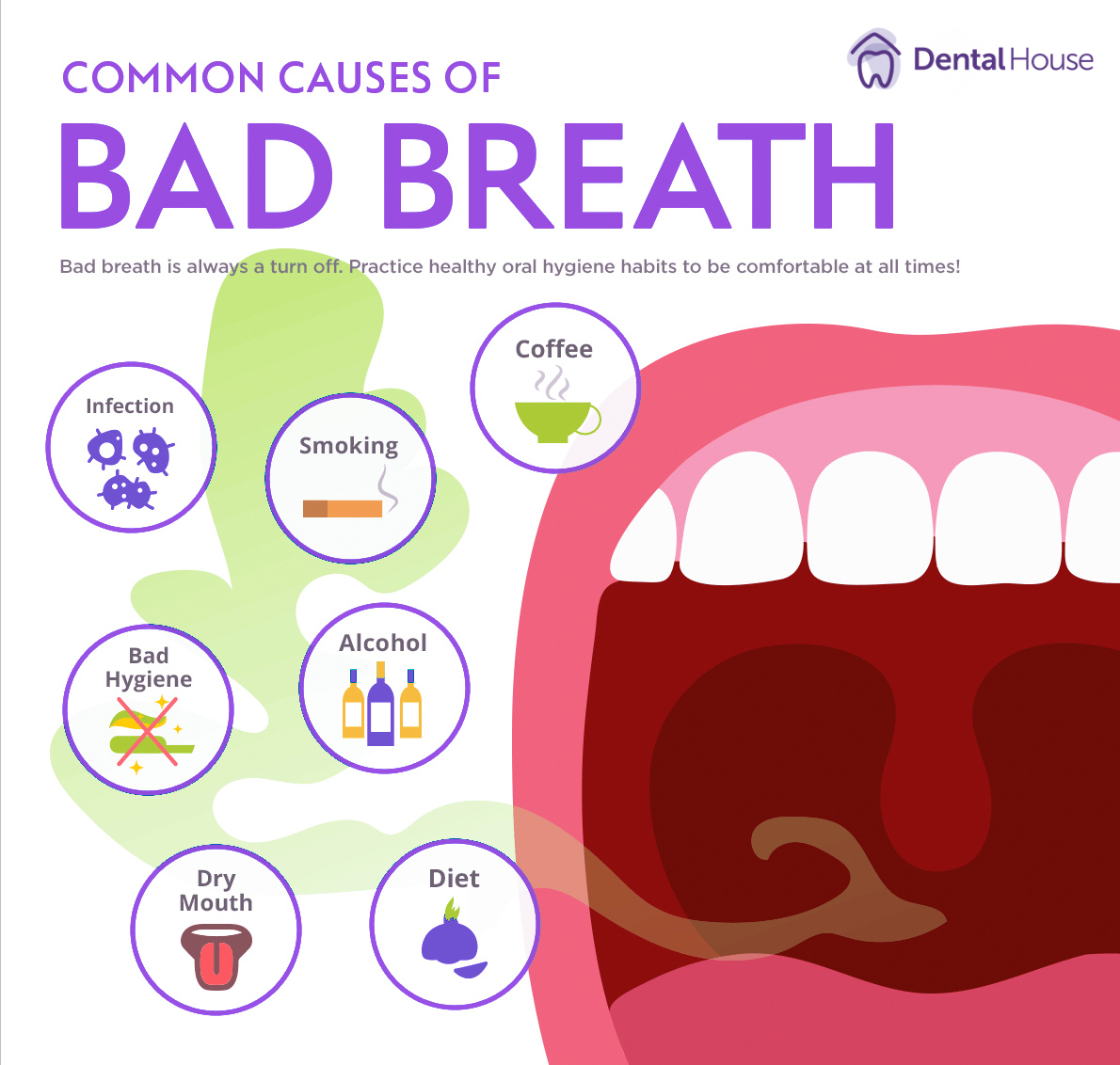
As we continue to monitor advancements in oral health research, the importance of personalized dental care remains paramount. For those struggling with this issue, the next step is often a comprehensive oral examination. If you have concerns about your oral health, I encourage you to schedule an appointment with your dentist to rule out infections or localized pathology. Your dental provider can offer personalized guidance on the most effective tools for your specific anatomy, such as specialized interdental cleaners or tongue scrapers, which may be more effective than standard brushes for your needs.
Have you found that changing your oral hygiene routine has made a difference in your experience with breath freshness? Please share your thoughts or questions in the comments section below—I look forward to hearing about your experiences and continuing this important health conversation.
Related reading