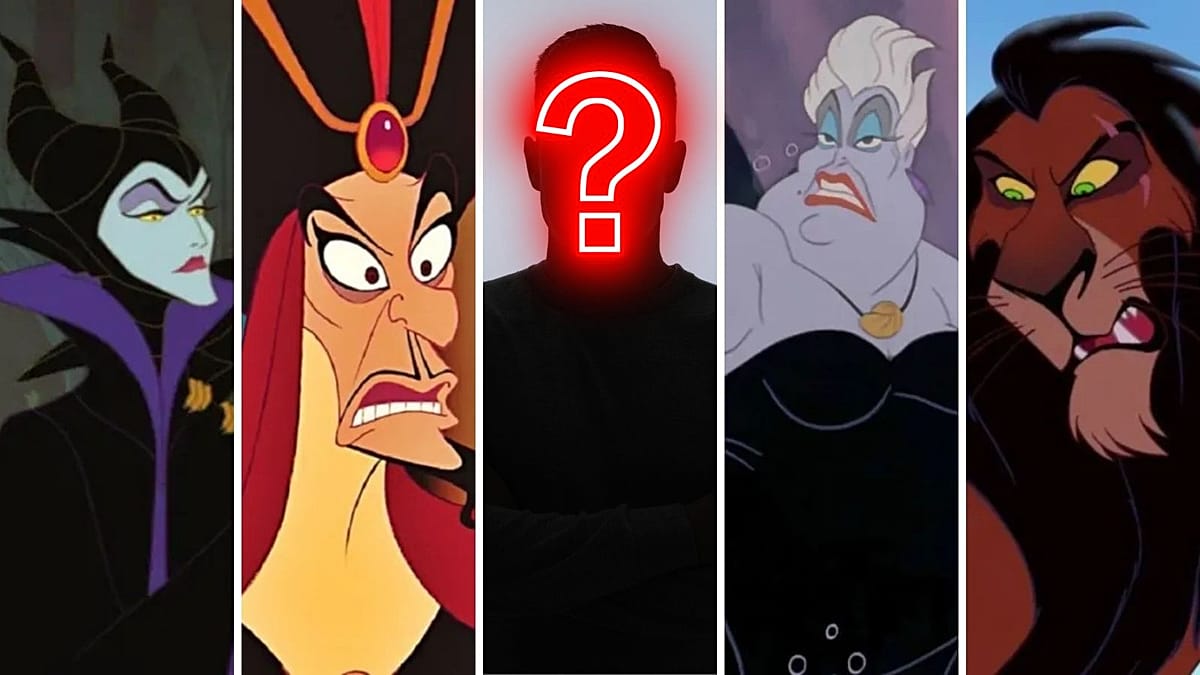
Analytical data suggests that the methodology of wickedness—often measured by intent, reach, and total impact—identifies specific antagonists as the most irredeemable figures in the Disney canon. While subjective interpretations of villainy vary among audiences, quantitative assessments of cinematic behavior, such as the scale of threat and the absence of moral complexity, consistently point to figures like Maleficent or Scar as primary candidates for the most “evil” designation. These assessments rely on evaluating the direct harm caused to protagonists and the scope of their antagonistic influence within their respective narrative universes.
According to film scholars and industry analysts, the classification of a “most evil” villain often hinges on the distinction between motivations born of trauma versus those rooted in pure malice. The Walt Disney Company has maintained a diverse portfolio of antagonists since the 1937 release of Snow White and the Seven Dwarfs, which established the archetype of the vanity-driven, power-hungry foe. Identifying a singular “most evil” character remains a complex task, as contemporary audiences increasingly favor villains with sympathetic backstories, a shift documented in various analyses of modern character development within the Walt Disney Company corporate archives.
The Quantitative Approach to Villainy
Measuring “wickedness” requires a structured methodology that looks beyond surface-level malice. Researchers often categorize villains by their strategic intent, the scale of their destructive capabilities, and their lack of remorse. For instance, in the 1994 film The Lion King, the character Scar demonstrates a level of calculated betrayal—specifically the regicide of his brother, Mufasa—that is frequently cited in critical analyses as a peak example of irredeemable behavior. This act is not merely an expression of anger but a cold, tactical maneuver to seize absolute power, marking a clear departure from villains motivated by external rejection or perceived slights.
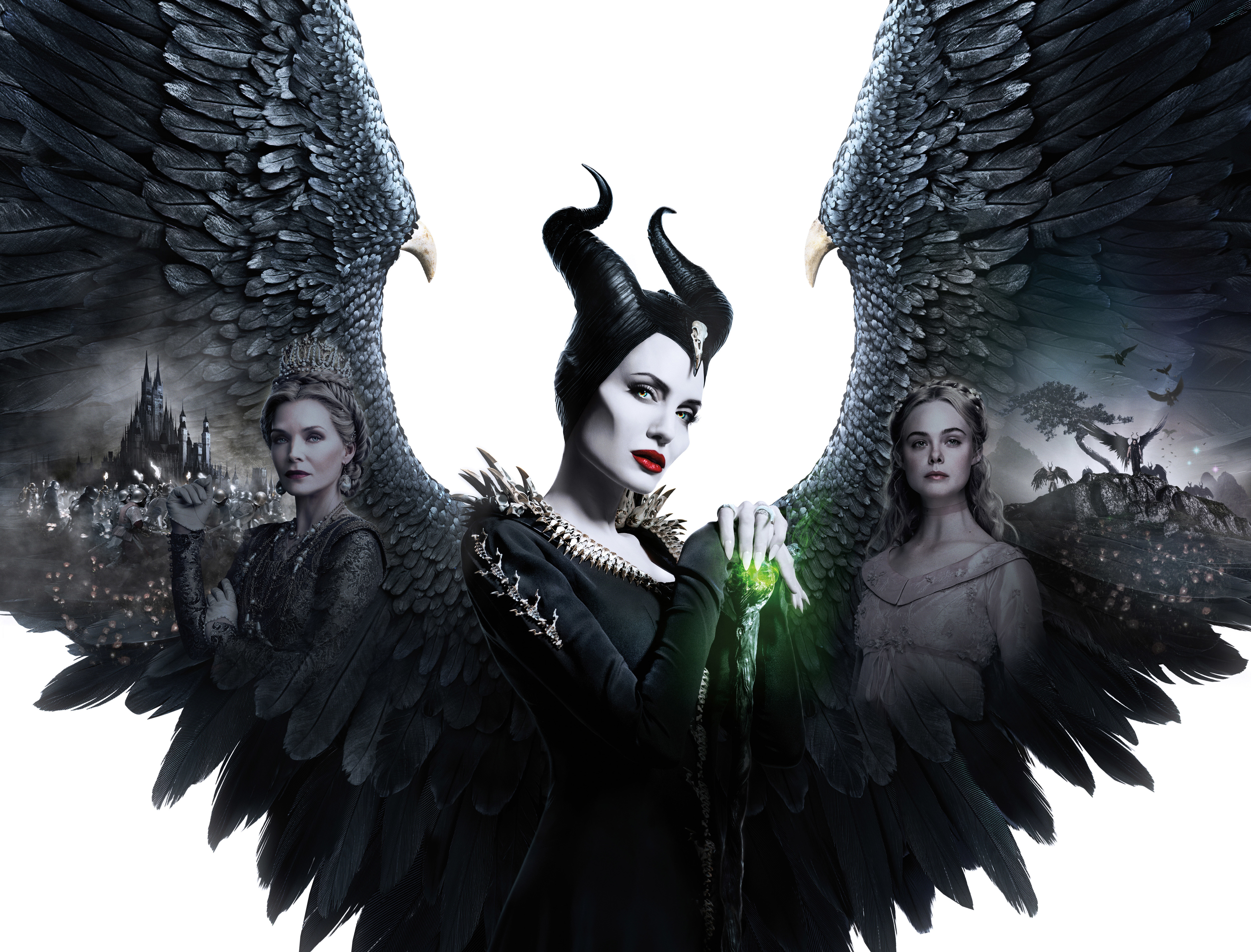
Conversely, characters such as Maleficent from the 1959 classic Sleeping Beauty are often evaluated based on the sheer scale of their magical reach and the disproportionate nature of their retribution. Maleficent’s decision to curse an infant due to a perceived social slight is a hallmark of “over-the-top” villainy that lacks a proportional grievance. This methodology of wickedness—where the punishment is vastly disconnected from the offense—serves as a primary metric for determining the “evil” status of a character in comparative film studies.
Motivations and the Spectrum of Malice
The perception of evil is heavily influenced by the character’s internal logic. A study of narrative tropes suggests that villains who act with clear, articulated goals are often perceived as more “competent” but not necessarily more “evil” than those acting out of chaotic malice. The Academy of Motion Picture Arts and Sciences has historically recognized the craft involved in portraying these characters, noting that the most effective antagonists are those who challenge the moral fiber of the protagonist. A villain who operates without a clear moral code, such as Judge Claude Frollo in the 1996 film The Hunchback of Notre Dame, presents a different type of threat: one rooted in systemic abuse and hypocrisy.
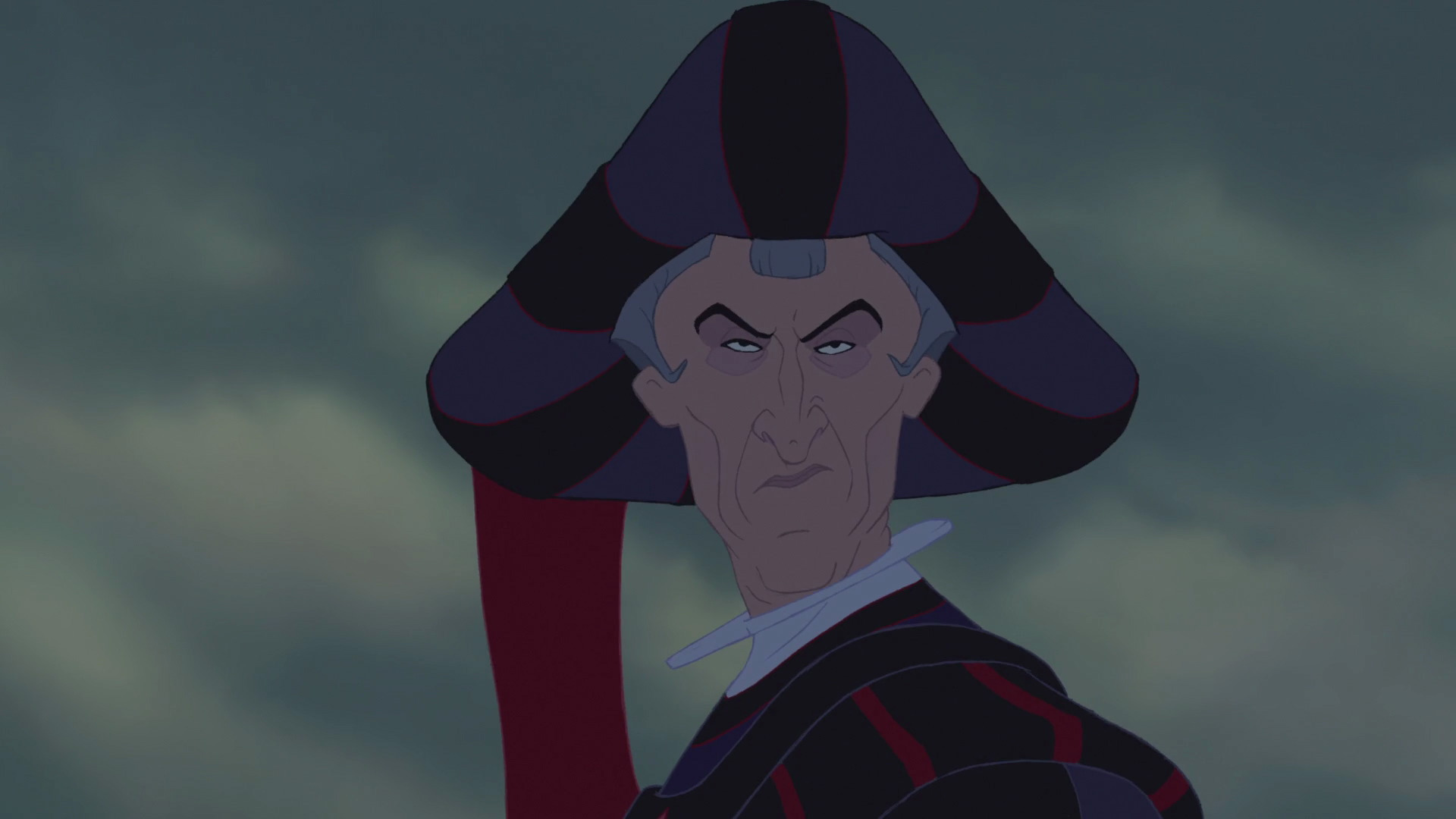
Frollo’s actions are particularly significant because they are masked by the authority of his office and his claims of moral righteousness. Unlike the overt, supernatural threat posed by characters like Hades or Ursula, Frollo represents a grounded, human evil that resonates with real-world issues of prejudice and corruption. According to cultural critics, this grounding makes his actions feel more “wicked” to modern viewers, as the harm he inflicts is psychological and institutional rather than purely physical or fantastical.
Why Contextualizing Villainy Matters
Understanding the methodology of wickedness requires acknowledging that the definition of a “villain” has evolved alongside changing social norms. In the early decades of animation, characters were often depicted as monochromatic—purely good or purely evil. Today, the Walt Disney Animation Studios has moved toward more nuanced character arcs, where the lines between hero and villain are increasingly blurred. This shift complicates the search for a single “most evil” character, as the focus has moved from identifying a monster to analyzing the circumstances that create one.
For example, the 2014 film Maleficent recontextualized the character’s 1959 origins, shifting the narrative from a story of unprovoked malice to one of betrayal and defensive reaction. This does not necessarily negate the “evil” actions performed in the original film, but it illustrates how modern storytelling uses retrospective analysis to challenge our initial perceptions of wickedness. Readers interested in the history of these character developments can consult the official D23: The Official Disney Fan Club resources, which track the evolution of the company’s character design and narrative philosophy over the past nine decades.
Future Perspectives on Antagonism
As the landscape of cinematic storytelling continues to shift, the criteria for what constitutes a “villain” will likely continue to change. Emerging trends suggest a move away from the “irredeemable” archetype in favor of complex, systemic conflicts where the antagonist is a product of a flawed society rather than an individual source of evil. While this does not resolve the debate over who holds the title of the most wicked, it provides a more robust framework for evaluating the characters that have shaped the medium.

The next major assessment of this topic will likely emerge during upcoming industry retrospectives or anniversary screenings, where scholars will re-evaluate the impact of these characters on modern pop culture. We encourage our readers to join the discussion in the comments section below: which villain do you believe represents the height of wickedness, and does your assessment change when you consider the character’s original context versus their modern reinterpretation? Shares and comments help drive our ongoing investigation into these enduring cultural icons.