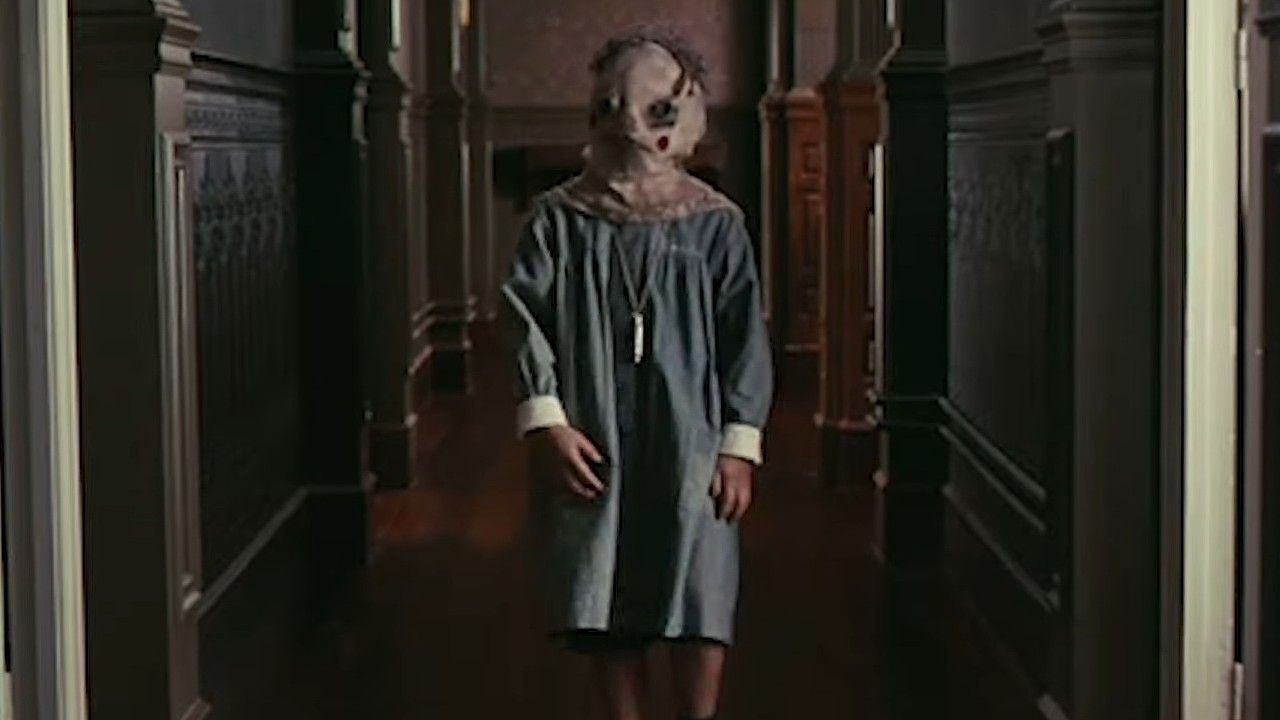
In the ever-evolving landscape of cinema, there are moments when a single film defines an era of storytelling. For many enthusiasts of the genre, 2007’s The Orphanage stands as a testament to a specific kind of atmospheric tension and emotional weight that feels increasingly rare in today’s theatrical releases. As we navigate a recent wave of cinematic scares, there is a growing sentiment among critics and audiences alike: we need more horror movies like 2007’s The Orphanage.
The current state of the genre is characterized by a fascinating diversity of styles, ranging from high-budget blockbusters to subversive takes on classic tales. However, the shift toward explicit gore and fast-paced thrills has left a void where the slow-burn, psychological dread of the late 2000s once resided. While modern entries are achieving critical success, the appetite for the nuanced, haunting approach exemplified by The Orphanage remains strong.
As an editor who has spent over 15 years covering the red carpets of Cannes and the Oscars, I have watched the horror genre pivot from the “torture porn” era into the “elevated horror” movement. Yet, as we look at the slate for 2025 and 2026, the trend seems to be leaning toward fusion and subversion rather than the pure, atmospheric grief that made 2007’s standout hit so enduring.
The 2025 Horror Landscape: Subversion and Spectacle
To understand why the industry needs a return to the style of The Orphanage, one must look at what is currently dominating the screens. According to recent data from Rotten Tomatoes, the most acclaimed horror films of 2025 are leaning heavily into visual spectacle and the reimagining of existing tropes.
For instance, Sinners (2025), directed by Ryan Coogler and starring Michael B. Jordan, has garnered a 97% critics consensus. It is described as a “rip-roaring fusion of masterful visual storytelling and toe-tapping music,” signaling a move toward the “original blockbuster” scale of horror. While This represents a triumph of imagination, it represents a different energy than the intimate, claustrophobic dread of 2007.
Similarly, The Ugly Stepsister (2025) has achieved a 96% score on the Tomatometer by taking a “hammer and chisel” to a quintessential fairy tale. The film is noted for its “masterful application of gore and subversion,” which, while effective for modern audiences, stands in stark contrast to the more restrained, psychological approach of the past. When the primary goal of a film is to subvert expectations through gore, the quiet, lingering fear that defined horror movies like 2007’s The Orphanage often takes a backseat.
The Appeal of the Slow-Burn Mystery
There is still a place for mystery in the modern era. Zach Cregger’s Weapons (2025) has been praised as a “sophomore triumph” with a 93% critics consensus, focusing on “terrifying mystery and thrilling intrigue.” This suggests that audiences still crave a puzzle to solve, but the modern “thrill” is often tied to high-stakes intrigue rather than the atmospheric mourning and familial tragedy that characterized the 2007 era.
The current trend also includes the return of established franchises, such as Five Nights at Freddy’s 2, where Freddy Fazbear returns to scare audiences. These films provide a cinematic experience built on established lore and jump-scares, which serves a different psychological purpose than the slow-build tension of independent international horror.
Comparing Modern Trends vs. Atmospheric Horror
The difference between today’s “Certified Fresh” horror and the style of The Orphanage can be seen in the intent of the scares. Modern horror often utilizes “subversion”—changing the rules of the genre to surprise the viewer. In contrast, the atmospheric horror of 2007 relied on the environment and the emotional state of the characters to create a sense of inevitable doom.
| Element | Modern Trend (2025/2026) | Atmospheric Style (e.g., 2007) |
|---|---|---|
| Primary Tool | Gore and Subversion | Atmosphere and Dread |
| Pacing | Fast-paced / Blockbuster perceive | Slow-burn / Psychological |
| Focus | Visual Spectacle / Lore | Emotional Grief / Isolation |
| Critical Goal | Subverting Tropes | Building Tension |
Why Atmosphere Matters for the Global Audience
For a global audience, the power of a film like The Orphanage lies in its universality. Grief, loss, and the fear of the unknown are emotions that transcend language barriers. While the “gore and subversion” found in films like The Ugly Stepsister can be exhilarating, it often relies on the viewer’s familiarity with specific tropes to be effective.
Atmospheric horror, however, creates a visceral reaction. It transforms the setting—whether it is a remote house or a decaying institution—into a character itself. This creates a more immersive cinematic experience that lingers long after the credits roll, rather than providing the immediate, sharp shock of a jump-scare or a gory reveal.
As we look toward 2026, the industry continues to experiment. We see the expansion of diverse genres, including the upcoming The Super Mario Galaxy Movie (2026), which shows the appetite for high-concept adaptations. If the horror genre can blend this level of ambition with the restraint and emotional depth of 2007’s best, we may see a new golden age of psychological cinema.
Key Takeaways for Horror Fans
- Modern trends are currently favoring “gore and subversion” and “visual storytelling,” as seen in high-scoring 2025 films like The Ugly Stepsister and Sinners.
- Atmospheric horror, exemplified by 2007’s The Orphanage, prioritizes slow-burn tension and emotional resonance over explicit shocks.
- Critical success is still possible for mystery-driven horror, with films like Weapons (2025) maintaining high Tomatometer scores.
- The void in the current market is for films that utilize environment and grief as primary drivers of fear.
The industry does not need to abandon the blockbuster or the subversive; rather, it needs to make room for the quiet, the haunting, and the heartbroken. The enduring legacy of 2007’s The Orphanage proves that the most terrifying ghosts are often the ones born from our own regrets, and losses.
As new 2026 horror movies are added to the charts, we will see if the pendulum swings back toward the atmospheric. We will continue to monitor the latest releases and critics’ consensuses to see if the “slow-burn” makes a definitive comeback.
What do you think? Do you prefer the high-energy subversion of modern horror, or do you miss the atmospheric dread of the late 2000s? Share your thoughts in the comments below.
Keep reading