
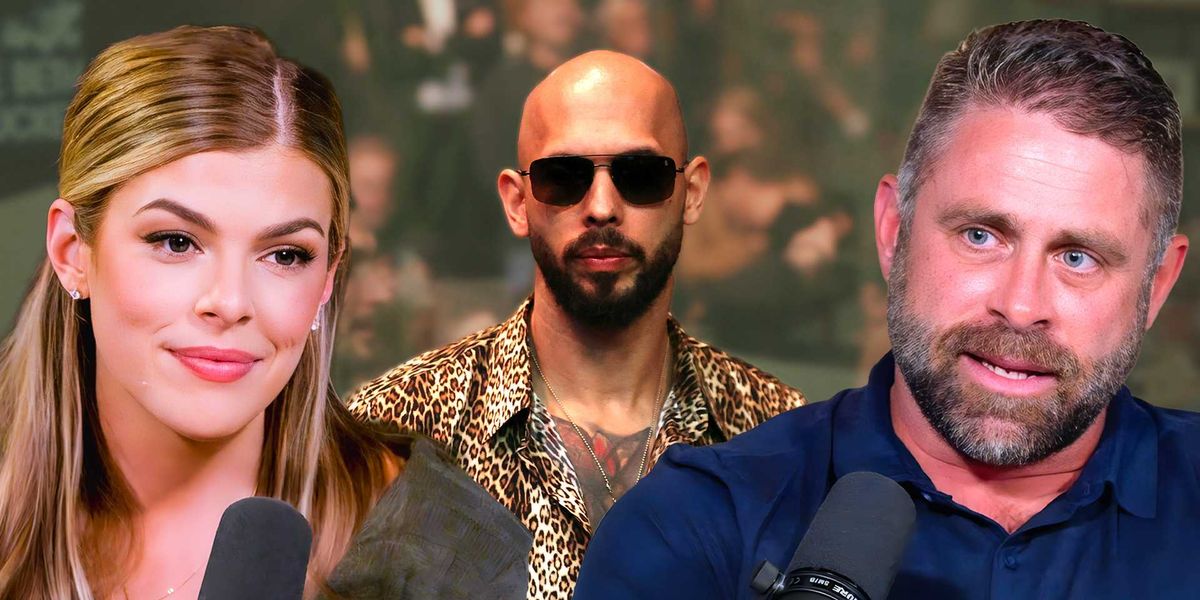
The digital landscape for young men is undergoing a significant shift as the “manosphere”—a sprawling network of online spaces centered on masculinity—continues to expand. While often associated with extreme figures like Andrew Tate, the phenomenon has evolved into a more diffuse presence on platforms like TikTok and Instagram, where content focusing on self-improvement and success often serves as a gateway to more radical ideologies.
In the Netherlands, this trend has sparked a concerted effort by researchers and content creators to provide a counter-narrative. The emergence of the manosphere (or manosfeer in Dutch) has moved beyond isolated internet forums and “red-pill” subreddits, embedding itself into broader themes of health, career, and dating that appeal to young men seeking direction or stability.
Understanding the manosphere is critical because what begins as motivational content regarding discipline and responsibility can often mask deeper, more harmful beliefs. According to the Nederlands Jeugdinstituut, these spaces can lead users toward misogyny, ranging from subtle contempt for women to open sexism and hostility toward feminism and social equality.
As algorithms on social media platforms actively link this content to young users, the challenge for educators and journalists is to identify and intercept these narratives before they lead to radicalization. This has led to a rise in “counter-voices”—creators who utilize the same aesthetic and platforms as the manosphere to promote a healthier, more inclusive version of masculinity.
Decoding the Manosphere: From Self-Help to Radicalization
The manosphere is not a single entity but a collective term for a variety of websites, podcasts, and social media accounts. For many young men, the initial attraction is the promise of personal growth. Content often focuses on “leveling up” through fitness, financial success, and mental toughness. Though, this “positive” framing often acts as a hook for more exclusionary ideologies.
Within this ecosystem, several distinct groups and terminologies have emerged. One of the most prominent is the “Incel” community, short for “involuntary celibate.” These are typically heterosexual men who desire romantic or sexual relationships but are unable to find them. In extreme cases, this frustration manifests as hate speech or violent rhetoric directed at women and feminism, as detailed by the Nederlands Jeugdinstituut.
Another significant group is MGTOW, or “Men Going Their Own Way.” Unlike Incels, MGTOW adherents consciously choose to avoid romantic relationships with women, based on the belief that such relationships are inherently unfair, manipulative, or harmful to men.
The danger of these movements is amplified by the “diffuse” nature of modern social media. A recent investigation involving De Groene Amsterdammer, Argos, and the Data School at Utrecht University found that the manosphere is no longer confined to specific hashtags. Instead, it is woven into general content about success and relationships, making it harder for moderators and parents to detect through data research.
The Role of Algorithms in Spreading Ideologies
The spread of these ideologies is not accidental; it is driven by the architectural design of platforms like TikTok and Instagram. The algorithms are designed to maximize engagement by serving users content similar to what they have already viewed. When a young man engages with a video on gym discipline or “alpha” productivity, the algorithm may subsequently suggest content that links those traits to the suppression of women or the rejection of modern social norms.
This algorithmic pipeline creates a “rabbit hole” effect. Because the content often starts with innocuous advice on health or confidence, users may not realize they are being led toward radical views until they are already deep within the community. This makes the manosphere a challenging phenomenon to combat, as it does not always present itself as “hate speech” in its early stages.
To map this spread, researchers have employed “snowball methods,” starting with highly followed accounts and tracing the network of connected profiles to witness how traditional and radical ideas about masculinity propagate across the Dutch-speaking web via Instagram and TikTok.
Creating a Counter-Narrative: The Power of the “Alternative” Influencer
To fight back against these narratives, some creators are adopting the “language” of the manosphere to attract the same audience but offer a different message. By presenting themselves as fit, successful, and disciplined—the “muscular livestreamer” archetype—they can gain the trust of young men who are otherwise skeptical of traditional institutional advice.

The strategy is to meet young men where they are. If a young man is looking for a role model who embodies strength and success, a creator who possesses those traits can effectively argue that true strength involves empathy, respect for women, and emotional intelligence. This approach seeks to decouple the idea of “self-improvement” from “misogyny.”
By providing a “tegengeluid” (counter-sound), these influencers aim to show that one can be masculine, disciplined, and successful without adhering to the toxic tenets of the manosphere. This method is seen as more effective than simply banning content, as it provides a viable, attractive alternative for young men who feel alienated by modern society.
Key Terms in the Manosphere Ecosystem
| Term | Meaning | Typical Perspective |
|---|---|---|
| Incel | Involuntary Celibate | Blames women or feminism for their lack of romantic success. |
| MGTOW | Men Going Their Own Way | Avoids relationships with women, viewing them as harmful or unfair. |
| Red Pill | Awakening to “truth” | The belief that society is biased against men and that “the truth” about gender dynamics is hidden. |
| Manosfeer | Manosphere | The broader network of websites, forums, and accounts focused on masculinity. |
What Happens Next: Monitoring and Intervention
The battle for the minds of young men in the digital age is ongoing. As the manosphere continues to evolve and blend into mainstream “lifestyle” content, the focus is shifting toward qualitative and quantitative research to better understand the triggers of radicalization.

Educational institutions and youth organizations are increasingly looking at how to integrate digital literacy into their curricula, helping young people recognize when they are being manipulated by an algorithm or a charismatic but harmful influencer. The goal is to move from reactive moderation to proactive prevention.
For parents and professionals, the key is to maintain open lines of communication and encourage critical thinking about the content consumed online. Recognizing the signs of manosphere influence—such as a sudden shift toward viewing women with contempt or a fixation on “alpha/beta” hierarchies—is the first step in providing the necessary support and guidance.
As researchers continue to analyze the data from platforms like TikTok and Instagram, the focus remains on identifying the “superspreaders” of these ideologies and amplifying the voices of those providing a healthy, positive alternative to toxic masculinity.
Stay tuned for further updates as new research on digital radicalization and youth mental health is released. We encourage you to share this article and join the conversation in the comments below regarding how You can better protect young users from online radicalization.