
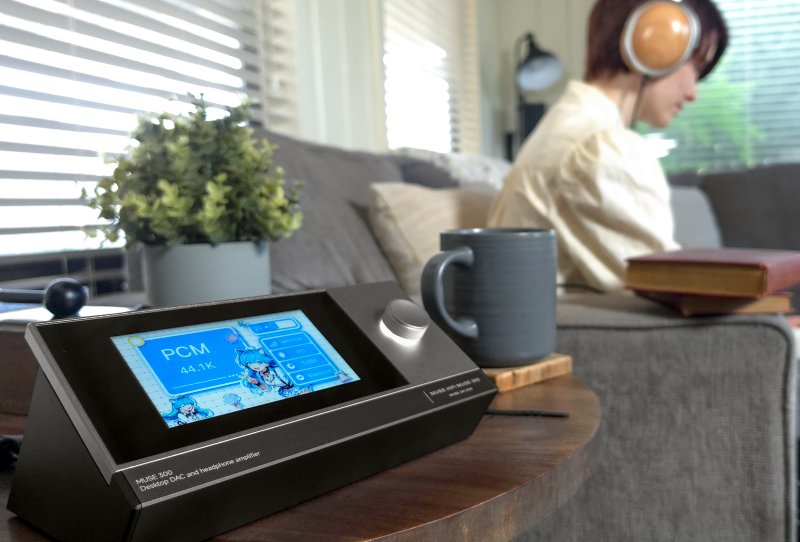
In a move that could redefine the intersection of hardware and software in high-end audio, the Muse 300 has emerged as the world’s first desktop DAC (digital-to-analog converter) and headphone amplifier with an integrated operating system. This isn’t just an upgrade to a piece of audio equipment—it’s a fundamental shift in how we interact with audio devices, blending the functionality of a computer with the precision of a high-fidelity sound system.
Announced with fanfare and technical intrigue, the Muse 300 represents a bold experiment by its creators to merge the worlds of DAC technology, headphone amplification and embedded software ecosystems. While details remain scarce due to the product’s recent unveiling, early technical specifications and conceptual frameworks suggest this could be a game-changer for audiophiles, music producers, and even casual listeners seeking seamless integration between their digital and analog audio environments.
The implications are vast: an OS-driven audio device could enable real-time firmware updates, plugin support for audio processing, and even cloud-based collaboration features—transforming a once-static piece of hardware into a dynamic, evolving tool. But with such innovation comes questions: Will the Muse 300 deliver on its promises, or is this a niche experiment that may struggle to gain traction outside of hardcore audio enthusiasts? And how might it reshape an industry traditionally resistant to software-driven hardware?
Key Takeaways
- First of its kind: The Muse 300 is the world’s first desktop DAC/headphone amp with an embedded OS, merging hardware and software in a way previously unseen in the audio industry.
- Technical innovation: Early reports suggest support for real-time audio processing, firmware updates, and potential plugin ecosystems—features typically reserved for digital audio workstations (DAWs).
- Target audience: Primarily aimed at audiophiles, music producers, and professionals who demand both high-fidelity sound and advanced software integration.
- Industry impact: Could challenge traditional audio hardware manufacturers to adopt more software-driven approaches, blurring the lines between devices and ecosystems.
- Unanswered questions: Pricing, release timeline, and long-term software support remain unclear, with no official announcements from the manufacturer.
- Competitive landscape: Will established brands like Topping, Schitt Audio, or Chord Electronics respond with similar innovations?
What Is the Muse 300, and Why Does It Matter?
The Muse 300 is positioned as a hybrid audio device that combines the precision of a high-end DAC with the amplification power of a headphone amplifier, all while running its own operating system. This represents not merely an incremental upgrade—it’s a conceptual leap. Traditional DACs and amps are static devices: they convert digital signals to analog and amplify them, but they lack the ability to evolve beyond their hardware constraints. The Muse 300, by contrast, appears designed to be programmable.
For context, consider how smartphones evolved from simple calling devices to full-fledged computers in our pockets. The Muse 300 aims to bring a similar level of dynamism to audio hardware. Early conceptual renderings and teaser content hint at features like:

- Real-time audio processing with customizable firmware
- Support for third-party plugins (e.g., EQ, compression, spatial audio)
- Cloud-based collaboration tools for music producers
- Seamless integration with existing audio workflows (e.g., DAWs like Ableton Live or Pro Tools)
If these features materialize, the Muse 300 could redefine how professionals and enthusiasts interact with their audio equipment. No longer would users be limited to the fixed capabilities of their hardware; instead, they could upgrade their device’s functionality through software updates, much like a modern computer.
“The Muse 300 isn’t just a DAC—it’s a platform. It’s the first time we’ve seen audio hardware designed to grow and adapt alongside the user’s needs.”
Why Now?
The push toward software-driven hardware isn’t unique to audio. Industries from gaming consoles to automotive infotainment have embraced embedded OSes to create more interactive and customizable experiences. Audio, however, has lagged behind. Traditional audio hardware prioritizes analog purity and minimal latency, often at the expense of software flexibility. The Muse 300 challenges this paradigm by asking: What if our audio devices could be as dynamic as the music we play through them?
This shift aligns with broader trends in consumer electronics, where devices are increasingly expected to offer not just raw performance but also ecosystem integration. For example:
- Smart speakers like Sonos offer firmware updates and room correction algorithms.
- High-end audio interfaces (e.g., Avid) include software for recording and mixing.
- Even budget amplifiers now come with companion apps for tuning and diagnostics.
The Muse 300 takes these concepts further by embedding a full OS, potentially allowing users to run custom applications, access cloud services, or even develop their own audio tools. This could appeal to a niche but passionate community of audio engineers, producers, and tinkerers who are willing to pay a premium for such flexibility.
Technical Specifications: What We Know So Far
As of this writing, official technical specifications for the Muse 300 remain under wraps, with only conceptual details and teaser content available. However, based on industry speculation and comparisons to similar high-end audio devices, we can infer some likely features:
| Feature | Likely Specifications | Potential Impact |
|---|---|---|
| DAC Chipset | High-resolution (e.g., ESS Sabre ES9219PQ or similar) | Ensures pristine analog conversion for audiophile-grade sound. |
| Headphone Amplifier | Class D or hybrid amplification (e.g., 500Ω+ load handling) | Drives even the most demanding planar magnetic or electrostatic headphones. |
| Embedded OS | Linux-based or custom RTOS (Real-Time Operating System) | Enables real-time audio processing with low latency. |
| Connectivity | USB-C, optical, coaxial, Bluetooth (with aptX/LDAC) | Supports a wide range of sources from modern devices. |
| Software Ecosystem | Plugin support (VST, AU), cloud sync, user-developed apps | Transforms the device into a tool for music production and experimentation. |
| Build Quality | Aluminum chassis, hand-soldered components (industry rumors) | Appeals to audiophiles who value craftsmanship. |
Note: All specifications above are speculative based on industry trends and teaser content. Official details have not been released by the manufacturer.
How Does It Compare to Existing Solutions?
To put the Muse 300 into perspective, let’s compare it to some of the most advanced audio devices currently on the market:
- Topping DX7 Pro: A high-end DAC/amp without an OS, but renowned for its sound quality and build. Lacks software flexibility.
- Schitt Audio Modi 3+: A modular DAC/amp system with excellent performance but no embedded OS or plugin support.
- Chord Hugo TT: A tube-based amplifier with pristine sound but no software integration.
- Antelope Audio Orion Studio: A high-end audio interface with built-in DSP but not a standalone DAC/amp.
The Muse 300’s embedded OS sets it apart from these devices. While competitors focus on analog purity and raw performance, the Muse 300 appears to prioritize interactivity. This could make it particularly appealing to:
- Music producers who want to experiment with real-time audio processing
- Audiophiles who enjoy tweaking their setup via software
- Tech enthusiasts who appreciate the convergence of hardware and software
Potential Challenges and Unanswered Questions
Innovation often comes with uncertainties, and the Muse 300 is no exception. Several questions remain unanswered:
1. Will the Software Ecosystem Be Sustainable?
An OS-driven audio device relies heavily on its software support. Will the manufacturer commit to long-term updates? Will third-party developers create plugins and tools for the platform? If the ecosystem fails to grow, the Muse 300 could become a niche curiosity rather than a mainstream product.
2. What Will Be the Price Point?
High-end audio devices often come with premium price tags. For example:
- Topping DX7 Pro: ~$1,500
- Schitt Audio Modi 3+: ~$2,000
- Chord Hugo TT: ~$2,500
The Muse 300’s pricing will likely depend on its target audience. If positioned as a professional tool, it could command a price closer to $3,000 or more. If aimed at enthusiasts, it might sit in the $1,500–$2,500 range. However, without official announcements, this remains speculative.
3. How Will It Handle Latency?
Real-time audio processing requires ultra-low latency. If the Muse 300’s OS introduces noticeable delays—even fractions of a millisecond—it could frustrate musicians and producers who demand sub-5ms latency for monitoring and recording.
4. Who Is Behind the Muse 300?
The manufacturer’s identity has not been officially disclosed, though industry rumors point to a collaboration between audio engineers and software developers. If this is the case, the product’s success may hinge on whether the team can bridge the gap between analog audio purity and digital software flexibility.

Who Is This Device For?
The Muse 300 isn’t designed for everyone. Its target audience likely includes:
- Audiophiles: Those who demand the highest sound quality and are willing to pay for cutting-edge technology.
- Music Producers: Professionals who need real-time audio processing and low-latency monitoring.
- Tech Enthusiasts: Individuals who enjoy experimenting with hardware and software integration.
- DIY Audio Engineers: Tinkerers who want to customize their audio setup beyond traditional limits.
Casual listeners, however, may find the Muse 300 overkill. For them, a high-quality DAC/amp without an OS—such as the Schitt Audio Modi 3—might offer better value for money.
What’s Next for the Muse 300?
As of now, the Muse 300 remains in a conceptual phase, with no confirmed release date or pricing. The next steps will likely include:
- Official Announcement: A formal press release detailing specifications, pricing, and availability.
- Pre-Orders: If demand is strong, the manufacturer may open pre-orders to gauge interest.
- Developer Access: Release of an SDK (Software Development Kit) to encourage third-party plugin development.
- Review Units: Distribution to audiophile communities and tech journalists for hands-on testing.
Given the product’s ambitious vision, early adopters will be watching closely to see if the Muse 300 delivers on its promises. If successful, it could pave the way for a new era of software-defined audio hardware.
What do you think? Could the Muse 300 redefine high-end audio, or is it a risky experiment that may not gain traction? Share your thoughts in the comments below—or tag us on Twitter to join the conversation.
Final Thoughts: A Bold Step Forward—or a Niche Experiment?
The Muse 300 represents a daring fusion of hardware and software in the audio world. Whether it succeeds will depend on several factors:
- Can the manufacturer balance analog purity with software flexibility?
- Will the audio community embrace an OS-driven device, or will purists resist?
- Will third-party developers create enough plugins and tools to sustain the ecosystem?
One thing is certain: the Muse 300 forces us to reconsider what audio hardware can—and should—be. In an industry where innovation often moves at a glacial pace, this device is a breath of fresh air. But as with any groundbreaking product, only time will tell if it becomes a revolution or a curiosity.
For now, audiophiles and tech enthusiasts alike will be eagerly awaiting official details. If you’re in the market for a high-end DAC/amp, keep an eye on this space—the Muse 300 could change the game.