Homer’s The Odyssey remains a cornerstone of Western literature, and the 2006 unabridged audiobook narration by Anton Lesser stands as a definitive interpretation of the epic poem. By utilizing the acclaimed translation by Canadian scholar Ian Johnston, the production relies on the evocative power of the human voice to navigate the trials of Odysseus, King of Ithaca, as he attempts to return home following the decimation of Troy. For listeners seeking to engage with this ancient narrative, Lesser’s performance offers a focused, textured alternative to visual adaptations that often struggle to capture the poem’s supernatural scale.
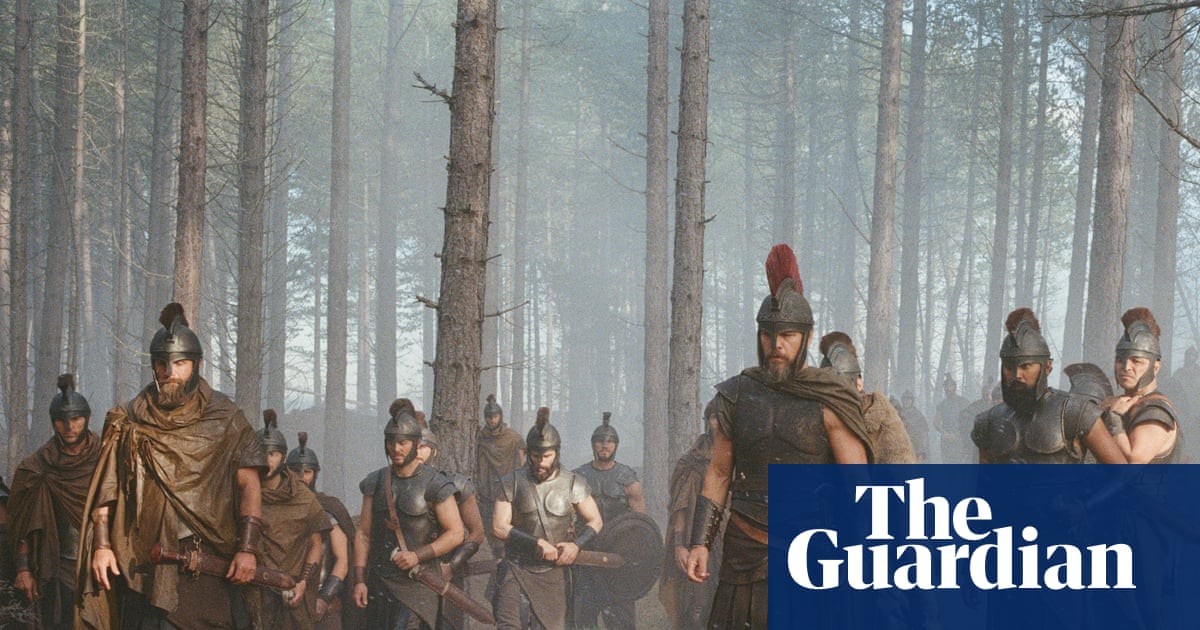
The choice of an audiobook format serves the narrative’s inherent complexity. While various directors have attempted to translate the story to the screen, the poem’s reliance on divine intervention, mythical beasts, and expansive sea voyages creates significant hurdles for visual media. Audio production allows the listener to engage their own imagination, effectively bypassing the limitations of visual effects when rendering figures like Poseidon or the siren songs that haunt the protagonist’s decade-long journey.
Understanding the Translation and Performance
The production features the translation by Ian Johnston, a retired professor from Vancouver Island University known for his accessible yet faithful approach to classical texts. Johnston’s translation, which has been widely utilized in academic and public settings, prioritizes the rhythmic flow of the original Greek while maintaining clarity for modern listeners. This translation choice provides a solid foundation for Anton Lesser, whose background as a classically trained actor—frequently associated with the Royal Shakespeare Company and his role as Qyburn in HBO’s Game of Thrones—brings a specific gravitas to the material.

Lesser’s delivery avoids the trap of over-dramatization, instead leaning into the psychological weight of Odysseus’s displacement. The narrative covers the hero’s various encounters, including his seven-year captivity on the island of Ogygia by the goddess Calypso. By focusing on the internal toll of these trials, the audiobook highlights the poem’s themes of endurance, loyalty, and the struggle against divine wrath.
The Challenges of Adapting Ancient Epic
The difficulty in adapting The Odyssey often stems from its episodic structure and the central role of the gods. In the text, Poseidon’s interference is not merely a plot device but a constant, looming threat that manifests through natural disasters, such as the whirlpool Charybdis and the various man-eating monsters that thwart the Achaeans. When these elements are distilled into an audio format, the focus shifts toward the oral tradition of the poem, which was originally designed to be heard rather than read.
Lesser’s narration navigates these transitions—from the domestic tensions in Ithaca with Penelope and Telemachus to the fantastical encounters in the Mediterranean—with a consistent tone. His ability to distinguish between the voices of different deities and mortals adds a layer of depth that prevents the long-form narrative from becoming monotonous. This approach is particularly effective during the recounting of the Trojan War’s aftermath, where the weight of lost comrades and the exhaustion of the crew are conveyed through pacing and inflection.
Why the Audio Format Matters for Classic Literature
For many listeners, the audiobook version of The Odyssey serves as a gateway into classical study. Unlike a physical book, which requires a significant time commitment to navigate the dense, often archaic language of some translations, the audio format allows for a continuous, immersive experience. The collaboration between the Johnston translation and Lesser’s vocal performance creates an environment where the listener can process the mythological stakes without the distraction of modern CGI or cinematic departures from the source text.

Listeners interested in exploring this recording can find it available through major audiobook retailers and public library digital catalogs, which frequently host the 2006 recording. As interest in Homeric epics remains consistent in both academic and popular circles, this specific production continues to be cited as a benchmark for how classical literature can be adapted for contemporary ears.
The next major updates regarding classical literature adaptations will likely emerge from academic publishing houses and forthcoming theatrical productions currently in development. Readers and listeners are encouraged to share their thoughts on their favorite audiobook narrations of classical epics in the comments below.