
Russian state-aligned actors are increasingly employing a sophisticated blend of sabotage, disinformation, and intimidation tactics as part of a broader, non-kinetic campaign against Western nations, according to findings from European security services and intelligence agencies. These operations, which officials describe as a “shadow war,” are designed to destabilize public trust in democratic institutions and disrupt support for Ukraine. The escalation follows a pattern of covert actions across Europe, ranging from physical infrastructure interference to coordinated digital influence campaigns.
Intelligence officials from the German Federal Office for the Protection of the Constitution (BfV) have recently warned that the risk of Russian-led espionage and sabotage operations has reached an “unprecedented level.” These activities are not limited to digital spaces but manifest in physical damage to logistics networks, attempts to influence electoral processes, and the systematic dissemination of narratives aimed at painting the current geopolitical tension as an inevitable, pre-existing conflict between Russia and the West.
The Mechanics of Hybrid Warfare
The Russian strategy centers on the concept of “hybrid warfare,” which integrates traditional military pressure with non-military subversion. According to reports from the North Atlantic Treaty Organization (NATO), these tactics allow Moscow to exert influence while maintaining “plausible deniability.” Sabotage efforts have reportedly targeted critical infrastructure, including rail networks and industrial facilities, aimed at creating domestic anxiety within European Union member states.
Disinformation remains the most pervasive tool in this arsenal. By utilizing social media platforms and state-backed media outlets, Russian actors propagate narratives that characterize the conflict in Ukraine as a defensive necessity against Western aggression. This psychological operation seeks to erode the internal cohesion of European societies, particularly in nations with significant political polarization. Analysts at the EUvsDisinfo task force note that these messages are frequently tailored to amplify existing domestic grievances, effectively weaponizing local debates to serve strategic objectives.
Intimidation and Escalation
Beyond digital interference, intimidation tactics have targeted individuals, including journalists, activists, and political figures who voice opposition to Kremlin policies. Reports from the Organization for Security and Co-operation in Europe (OSCE) highlight a growing trend of “transnational repression,” where state-aligned actors use threats to silence dissenters living abroad. These actions are often coupled with cyberattacks that target government databases or essential services, intended to signal the reach and capability of Russian intelligence services.
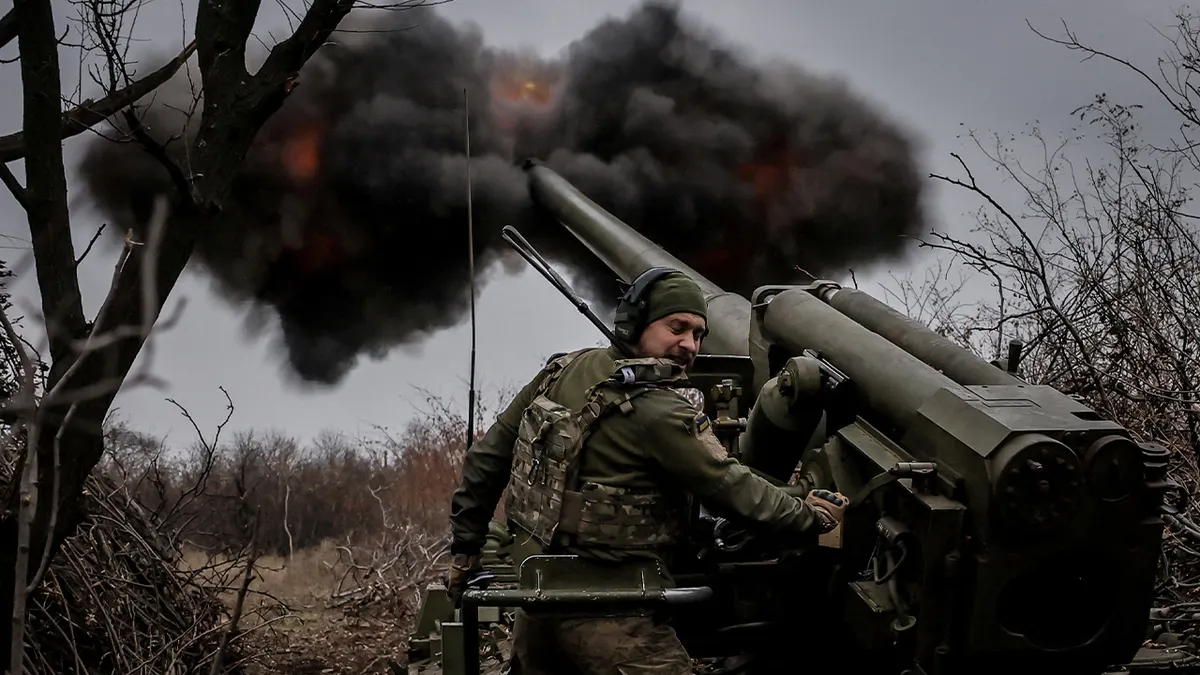
The operational tempo of these activities has increased significantly since the full-scale invasion of Ukraine in February 2022. The Council of the European Union has responded by imposing restrictive measures on specific entities and individuals identified as responsible for malicious cyber operations. These sanctions are part of a broader effort to deter further interference in the democratic processes of member states.
Defending Democratic Resilience
European governments are currently reevaluating their security postures to counter these threats. This includes increased investment in cybersecurity, enhanced intelligence sharing between agencies, and new legislative frameworks to tackle foreign influence. The European Commission’s Digital Services Act serves as one such mechanism, requiring large online platforms to mitigate risks associated with disinformation and manipulative behavior.
Despite these measures, the challenge remains significant. The fluid nature of these operations makes it difficult to attribute specific actions directly to state actors in real-time, often delaying institutional responses. Security experts emphasize that the most effective defense involves increasing public awareness—helping citizens identify manipulated content and understanding the strategic intent behind the information they consume.
Looking Ahead
The next major checkpoint in the European response to these hybrid threats will involve the upcoming review of the EU Action Plan against Disinformation, which is scheduled for further debate in the European Parliament later this year. As the geopolitical landscape remains volatile, intelligence agencies continue to monitor for signs of increased physical sabotage and sophisticated cyber-espionage. Readers are encouraged to monitor updates from their national interior ministries and the European Union’s official security portals for the latest guidance on digital safety and threat levels. Please share your thoughts or observations in the comments below as we continue to track this developing story.
Related reading