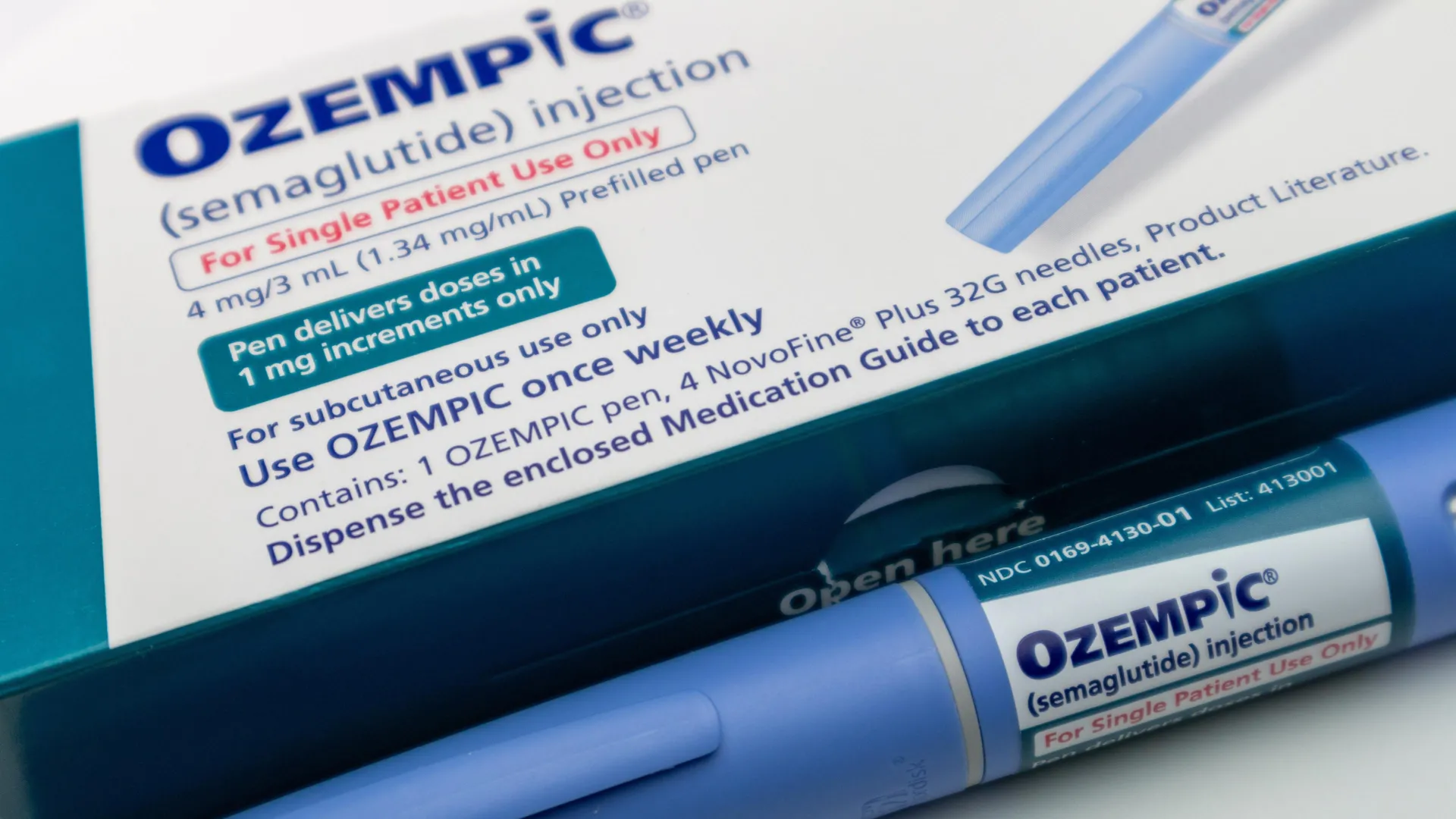
Poison control centers across the United States have recorded a significant increase in calls related to semaglutide, the active ingredient in medications such as Ozempic and Wegovy, following their widespread adoption for weight management. Data indicates that the majority of these incidents stem from accidental dosing errors rather than intentional misuse or abuse of the drugs, highlighting an urgent need for clearer patient education regarding titration and administration protocols.
As a physician, I have observed how the rapid integration of these GLP-1 receptor agonists into clinical practice has outpaced the development of robust patient safety communication. When patients are prescribed these medications, they often face complex dosing schedules that require gradual increases to minimize gastrointestinal side effects. Misunderstanding these schedules can lead to errors that result in acute, albeit usually manageable, toxicity.
Understanding the Rise in Poison Control Inquiries
The surge in calls to U.S. poison control centers, as documented in research published in the journal JAMA Internal Medicine, reflects a broader trend of medication errors associated with injectable weight-loss therapies. According to the study, researchers analyzed data from the National Poison Data System and identified a clear temporal correlation between the rise in prescriptions for semaglutide and the uptick in reported errors. The findings suggest that the complexity of the delivery devices—specifically the multi-dose pens—may contribute to patients inadvertently administering higher-than-prescribed doses.
The U.S. Food and Drug Administration (FDA) has consistently emphasized that semaglutide must be used according to a specific, escalating dose regimen to ensure both efficacy and patient safety. For patients and clinicians, the official FDA guidance on medication safety and reporting serves as the primary resource for identifying legitimate medical products and avoiding compounded versions that may lack standardized dosing mechanisms.
The Role of Dosing Protocols in Patient Safety
The primary clinical concern with semaglutide is the rapid onset of gastrointestinal distress, including severe nausea, vomiting, and abdominal pain, which frequently occurs when a patient skips the recommended titration schedule. Because these medications are intended to be taken once weekly, a misunderstanding of the pen’s dial mechanism—or a failure to reset the dose—can lead to a patient receiving a significantly larger amount of the drug than intended.
Clinical pharmacists often point out that the transition from initial, lower doses to the therapeutic maintenance dose should occur over several weeks. When this process is rushed, or if a patient misinterprets the markings on the pen, the likelihood of an accidental overdose increases. The American Association of Poison Control Centers (AAPCC) provides a centralized resource for clinicians and patients to report such errors and receive immediate guidance. You can access their official portal for assistance and reporting, which remains the standard for managing accidental exposures nationwide.
Mitigating Risks Through Education
Preventing these avoidable incidents requires a multi-faceted approach involving clear communication between the prescribing physician, the pharmacist, and the patient. It is essential that patients demonstrate their ability to operate the injection pen before leaving the pharmacy or clinical office. This “teach-back” method is a proven strategy in internal medicine to ensure that the patient understands not just the frequency of the dose, but the mechanics of the delivery system.
Furthermore, healthcare providers are encouraged to remind patients that semaglutide is not a short-term fix but a long-term therapeutic commitment. According to the Centers for Disease Control and Prevention (CDC), managing obesity requires comprehensive care, and the use of pharmacological interventions must be supported by ongoing monitoring to ensure that the patient is adhering to prescribed safety protocols.
Next Steps for Patient Safety
The medical community continues to monitor these trends as the use of GLP-1 agonists evolves. The next significant checkpoint for safety data will occur as health systems implement standardized digital reminders and updated patient education materials designed specifically to mitigate dosing errors. Regulatory bodies, including the FDA, continue to update their Medication Guides to reflect the latest safety information for patients.
If you or a loved one are currently prescribed semaglutide, ensure that you have reviewed the specific instructions provided by your pharmacist. If you have questions about your dosage or experience unexpected symptoms, contact your healthcare provider immediately or utilize the national poison control resources available in your region. Please share your experiences or questions regarding medication safety in the comments below to help us maintain a well-informed community.