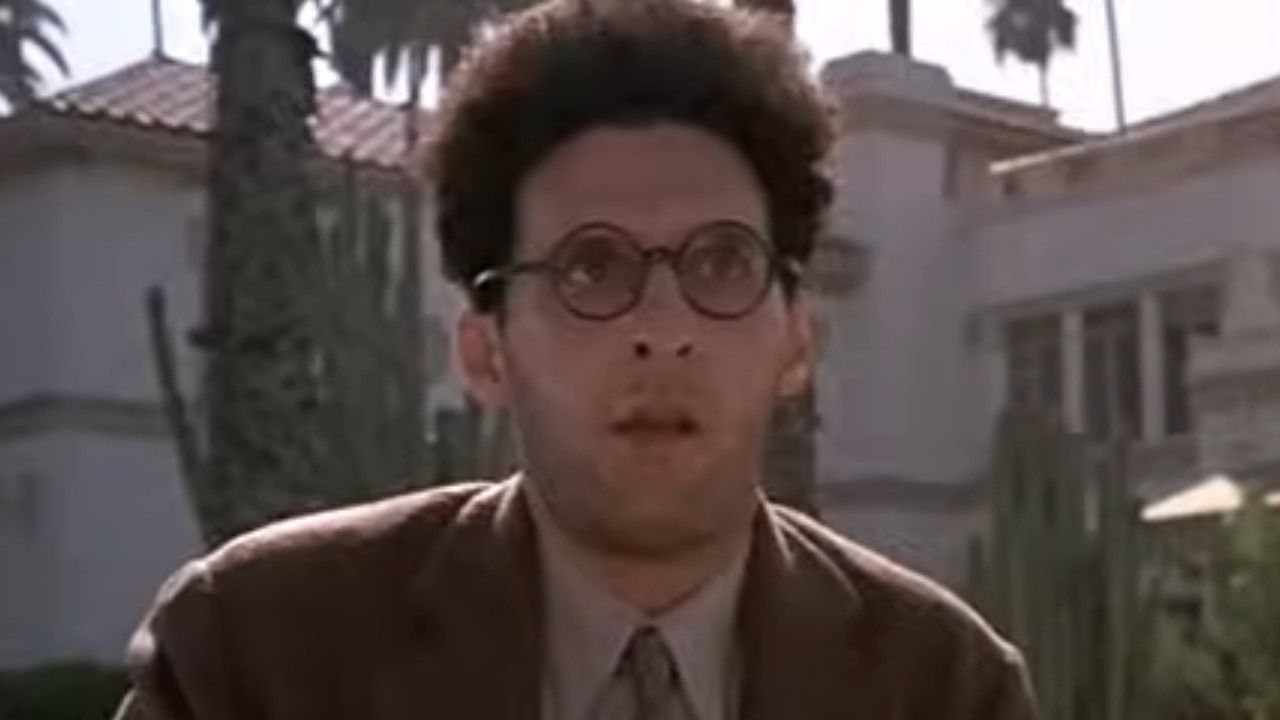
Decoding the surreal Brilliance of Barton Fink‘s Ending
Few films linger in the mind quite like the Coen Brothers’ Barton Fink. It’s a deeply strange, often unsettling journey into the creative process, Hollywood, and the anxieties of an artist. But it’s the ending – seemingly simple, yet profoundly bizarre - that truly cements its place as a cinematic masterpiece. Let’s unpack why it effectively works so brilliantly.
The Setup: A Writer trapped
Initially, the film introduces us to Barton Fink, a New York playwright thrust into the world of Hollywood screenwriting. He’s tasked with writing for a bombastic, larger-than-life wrestler, and finds himself utterly blocked, isolated in a peculiar Los Angeles hotel. Throughout his ordeal, a single image provides a fleeting escape: a photograph of a woman on a beach.
This picture becomes a symbol of everything Barton craves – freedom, simplicity, a life beyond the confines of his cramped room and the pressure of his assignment. You can feel his longing for that idyllic scene,a stark contrast to the chaos surrounding him.
The Unexpected Resolution
After a series of increasingly surreal and disturbing events,Barton finally completes his script,a work he anticipates will be met with disdain. Then,in a moment of quiet resolution,he goes to the beach.And there she is – the woman from the photograph.
The encounter is brief, almost anticlimactic. He asks a single, peculiar question: “Have you ever been in pictures?” Her response? A simple “No.” And that’s it. The film ends.
Why It’s a Masterstroke
This ending isn’t about neat resolution or tying up loose ends. It’s about the unsettling nature of reality,the fragility of the creative mind,and the power of the subconscious. Here’s why it resonates so deeply:
* Surrealism at its Finest: The Coen Brothers are masters of the surreal, and this ending is a perfect example. It feels like a dream, a break in the fabric of reality.
* A Question of Perception: Barton’s mental state throughout the film is increasingly unstable. The ending forces you to question what’s real and what’s a product of his fractured psyche.
* The pun and Its Weight: the question about being “in pictures” is a clever play on words, but it’s also deeply unsettling. It suggests Barton has lost touch with reality, blurring the lines between the image and the person.
* Embracing Ambiguity: The lack of explanation is crucial. The Coens don’t offer answers; they present a moment and let you interpret its meaning.
It’s a bold move, and one that elevates Barton Fink beyond a simple story about a writer’s block.It’s a film that stays with you, prompting endless discussion and reinterpretation.
A Shared Appreciation
If you’ve experienced the strange beauty of Barton Fink, you likely understand the power of this ending. It’s a reminder that sometimes, the most profound moments are the ones that defy explanation. Have you seen this film? I’d be genuinely interested to hear yoru thoughts on this unforgettable conclusion.
Keep reading