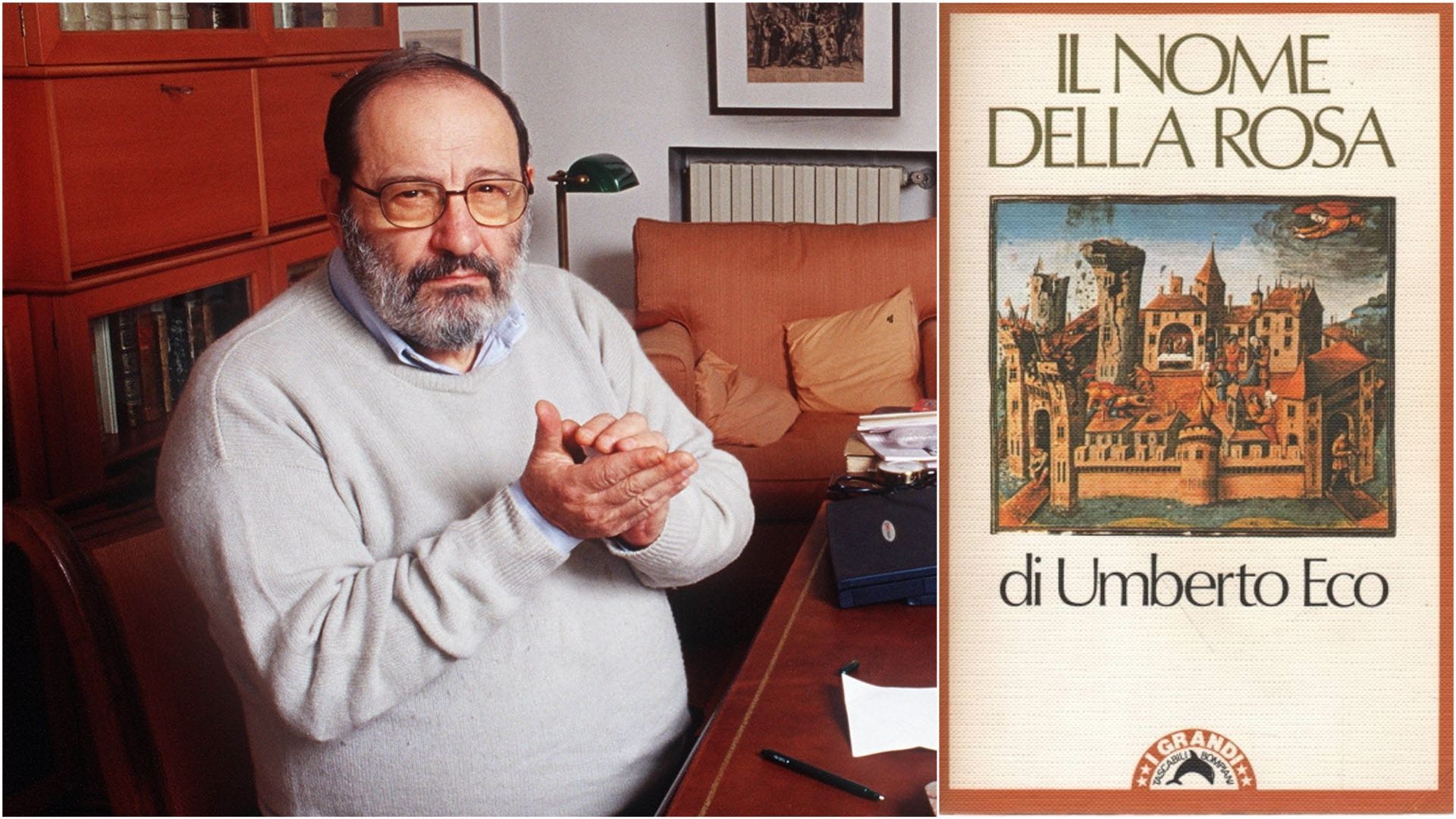
The enduring appeal of Umberto Eco’s 1980 novel, *The Name of the Rose*, extends far beyond its captivating mystery plot. While celebrated as a masterful historical detective story, the novel is deeply rooted in the political and religious conflicts of 14th-century Europe, specifically the power struggle between the papacy and the Holy Roman Empire. This conflict provides a crucial backdrop to the events unfolding within the secluded Italian abbey, influencing the motivations of its characters and the incredibly nature of the investigation led by William of Baskerville.
The story, set in 1327, places readers amidst a period of significant upheaval within the Catholic Church. The papacy, at this time, was not located in Rome, but in Avignon, France – a period known as the Avignon Papacy (1309-1376). This relocation, driven by political pressures, weakened the papacy’s authority and fueled tensions with the Holy Roman Emperor, Louis IV of Bavaria. The novel skillfully weaves this historical context into its narrative, portraying the abbey as a microcosm of the larger political and theological battles raging across Europe. Understanding this context is key to appreciating the novel’s depth and enduring relevance.
The Papacy in Avignon and the Challenge to Imperial Authority
The move of the papacy to Avignon in 1309, initiated by Pope Clement V, was a controversial decision. While Clement V cited security concerns and French influence as reasons for the relocation, it was widely perceived as a surrender to the power of the French monarchy. This period saw a significant increase in French cardinals and a growing perception of the papacy as being under French control. Pope John XXII, who reigned from 1316 to 1334, continued this Avignon tradition, further solidifying the papacy’s presence outside of Rome. John XXII, born Jacques Duèze, centralized power and income within the Papacy, living a lavish lifestyle in Avignon, a practice that drew criticism from some quarters.
This relocation directly challenged the authority of the Holy Roman Emperor. Traditionally, the emperor was seen as the protector of the Church, and the pope’s presence in Rome symbolized the spiritual heart of Christendom. The Avignon Papacy undermined this arrangement, creating a power vacuum and fueling resentment among the German princes who supported Louis IV. Louis IV, in turn, asserted his authority over the papacy, leading to a direct confrontation with John XXII. This conflict centered on the question of papal supremacy – whether the pope had the authority to dictate to temporal rulers, or whether the emperor held ultimate power.
Louis IV of Bavaria and the Imperial-Papal Dispute
The dispute between Pope John XXII and Emperor Louis IV reached a boiling point in the 1320s. Louis IV challenged the pope’s authority by crowning himself emperor in Rome in 1328, without papal approval. This act was a direct defiance of papal authority and a clear assertion of imperial independence. In response, John XXII excommunicated Louis IV, further escalating the conflict. The emperor, in turn, supported the installation of an antipope, Nicholas V, in Rome, creating a schism within the Catholic Church. This period of multiple claimants to the papacy further destabilized the religious and political landscape of Europe.
The novel *The Name of the Rose* reflects this tumultuous period. The abbey, as a site of intellectual and religious debate, becomes a battleground for these competing ideologies. The delegates representing the papacy and the Franciscans aligned with the Empire embody the opposing sides of this conflict. The Franciscan order, particularly those advocating for apostolic poverty, found themselves increasingly at odds with the wealth and power of the Avignon papacy. This internal division within the Franciscan order is likewise mirrored in the novel, adding another layer of complexity to the narrative.
William of Baskerville: A Critical Voice in a Time of Conflict
The character of William of Baskerville, the Franciscan friar and former inquisitor tasked with investigating the mysterious deaths at the abbey, embodies a critical perspective on the power struggles of the time. Baskerville’s reliance on reason, logic, and empirical observation sets him apart from the more dogmatic and superstitious characters within the abbey. He represents a burgeoning spirit of inquiry that challenged the established authorities, both religious and secular. His position as a former inquisitor also highlights the complexities of the era, where intellectual freedom was often suppressed in the name of religious orthodoxy.
Baskerville’s investigation is not merely a search for a murderer; We see also a quest for truth in a world shrouded in deception and political intrigue. He questions the motives of those in power and challenges the prevailing ideologies that justify their actions. His skepticism towards both the papacy and the empire reflects a growing dissatisfaction with the existing power structures. The novel suggests that the pursuit of knowledge and the exercise of reason are essential tools for navigating a world dominated by dogma and political manipulation.
The Franciscan Order and the Debate Over Poverty
The Franciscan order played a significant role in the political and religious conflicts of the 14th century. Founded by St. Francis of Assisi, the order initially embraced a life of radical poverty, rejecting material possessions and dedicating themselves to serving the poor. Whereas, over time, the Franciscan order became increasingly divided over the interpretation of St. Francis’s teachings. Some Franciscans, known as the Spiritual Franciscans, advocated for a strict adherence to poverty, while others were more willing to accept wealth and property.
Pope John XXII actively opposed the Spiritual Franciscans’ understanding of poverty, arguing that Christ and the apostles could not have possessed absolutely nothing. He issued papal bulls condemning their views and attempting to suppress their movement. This conflict further alienated the Franciscans from the papacy and contributed to the growing tensions between the spiritual and temporal powers. The novel *The Name of the Rose* reflects this internal division within the Franciscan order, portraying characters who embody both sides of the debate.
The Abbey as a Microcosm of Medieval Society
The isolated abbey in *The Name of the Rose* serves as a powerful metaphor for medieval society as a whole. Within its walls, we find a microcosm of the political, religious, and intellectual conflicts that defined the era. The library, in particular, represents the repository of knowledge and the potential for both enlightenment and repression. The labyrinthine structure of the library symbolizes the complexities of the medieval world and the challenges of navigating its hidden truths.
The novel’s exploration of these themes continues to resonate with readers today. It reminds us of the importance of critical thinking, the dangers of unchecked power, and the enduring quest for knowledge. *The Name of the Rose* is not simply a historical mystery; it is a profound meditation on the human condition and the enduring struggle between reason and faith, power and truth.
As scholars continue to analyze Eco’s operate, new layers of meaning are constantly being uncovered. The novel’s intricate plot and rich historical detail ensure its place as a literary masterpiece for generations to come. The ongoing fascination with *The Name of the Rose* speaks to its timeless relevance and its ability to provoke thought and inspire debate.
Further research into the Avignon Papacy and the reign of Louis IV of Bavaria can be found through reputable historical sources and academic journals. Understanding the historical context of the novel enriches the reading experience and allows for a deeper appreciation of Eco’s masterful storytelling.
What are your thoughts on the political undertones in *The Name of the Rose*? Share your insights in the comments below, and don’t forget to share this article with fellow literature enthusiasts.
Keep reading