Current geopolitical tensions between the United States and Iran have reached a critical threshold, characterized by a cycle of direct military exchanges that have largely abandoned the diplomatic frameworks of the past decade. While neither nation has declared a formal state of war, the escalation of strikes—including Iran’s unprecedented direct aerial attack on Israel in April 2024 and subsequent retaliatory measures—has fundamentally altered the regional security landscape, according to assessments from the Council on Foreign Relations.
The stability of the 2015 Joint Comprehensive Plan of Action (JCPOA), which aimed to limit Iran’s nuclear capabilities in exchange for sanctions relief, has effectively eroded since the U.S. withdrawal from the agreement in 2018. Following the collapse of these diplomatic guardrails, the relationship has shifted from a policy of containment to one of active, kinetic confrontation. This transition is marked not by a singular declaration, but by a series of escalatory actions involving regional proxies, maritime security threats, and direct state-on-state fire.
The Erosion of Diplomatic Frameworks
The transition toward open hostility is rooted in the systematic dismantling of nuclear non-proliferation efforts. According to the International Atomic Energy Agency (IAEA), Iran has significantly increased its stockpile of enriched uranium, operating centrifuges at levels far exceeding the limits established in the 2015 accord. This expansion has prompted a series of increasingly stringent economic sanctions from Washington, creating a feedback loop where economic pressure is met with regional military assertiveness.

Analysts note that the “peace deal” era, which relied on back-channel negotiations and multilateral oversight, has been replaced by a reliance on deterrence through force. The U.S. Department of State has repeatedly cited Iran’s support for regional groups—including Hezbollah in Lebanon, the Houthis in Yemen, and various militias in Iraq and Syria—as the primary driver of current instability. These entities function as the operational arm of Iranian foreign policy, allowing Tehran to exert pressure on U.S. and allied interests without engaging in a total, conventional war.
Direct Military Confrontation: A New Reality
The nature of the conflict shifted decisively in 2024. For years, the “shadow war” was defined by cyberattacks, maritime sabotage, and proxy skirmishes. The April 2024 exchange, in which Iran launched more than 300 drones and missiles directly at Israeli territory, represented a departure from this established pattern, as reported by the Reuters news agency. This event confirmed that the threshold for direct state conflict has been crossed.

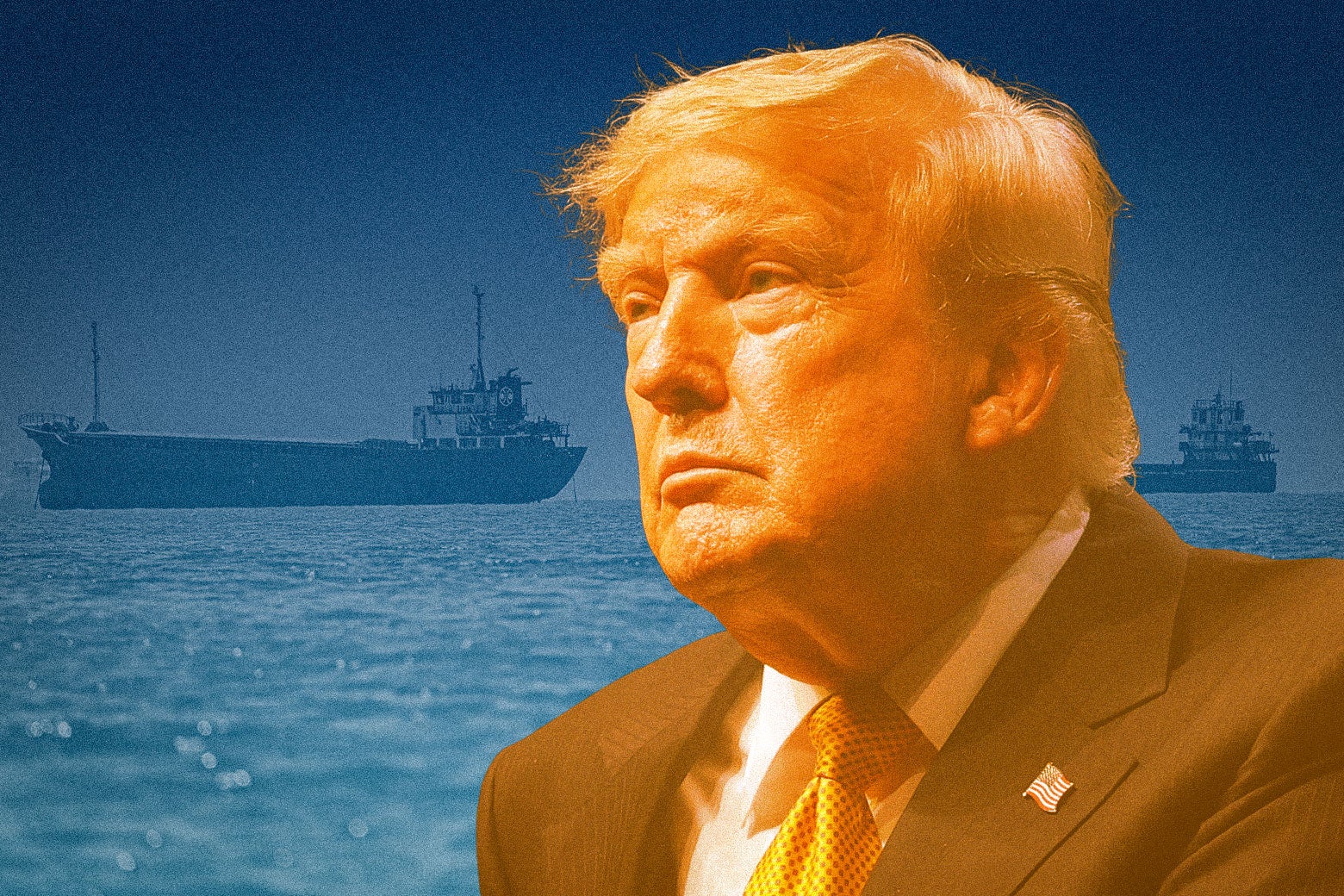
This development has forced a recalibration of U.S. military posture in the Middle East. The Pentagon has maintained a robust presence in the region, deploying carrier strike groups and missile defense batteries to deter further direct Iranian action. According to the U.S. Department of Defense, these deployments are intended to protect regional partners and ensure the freedom of navigation in critical waterways like the Strait of Hormuz, through which a significant portion of the world’s oil supply passes.
Economic and Strategic Consequences
The impact of this heightened state of alert is felt globally, particularly in energy markets. The uncertainty regarding the security of the Persian Gulf has introduced a “risk premium” into oil prices. As noted by the International Energy Agency (IEA), any sustained disruption in the region would have immediate inflationary consequences for the global economy, complicating the efforts of central banks to manage interest rates and growth targets.
For businesses and investors, the current environment necessitates a move away from the assumption of regional stability. The lack of a functioning diplomatic channel means that miscalculations by either side carry a high risk of rapid escalation. Unlike the period of the JCPOA, there is currently no high-level framework to de-escalate incidents once they occur. The absence of these “off-ramps” remains the most significant concern for policymakers in Washington and European capitals.
What Happens Next
The next major checkpoint in this evolving situation will be the upcoming discussions at the United Nations General Assembly and further IAEA Board of Governors meetings, where the status of Iran’s nuclear program will be the primary item on the agenda. Observers will be monitoring these sessions for any indications of a return to technical compliance or, conversely, signs of further abandonment of non-proliferation commitments.
As the situation remains fluid, stakeholders are encouraged to monitor official travel advisories from their respective governments and stay updated via the U.S. Department of State country information pages. We invite our readers to share their analysis of the regional economic impact in the comments section below.