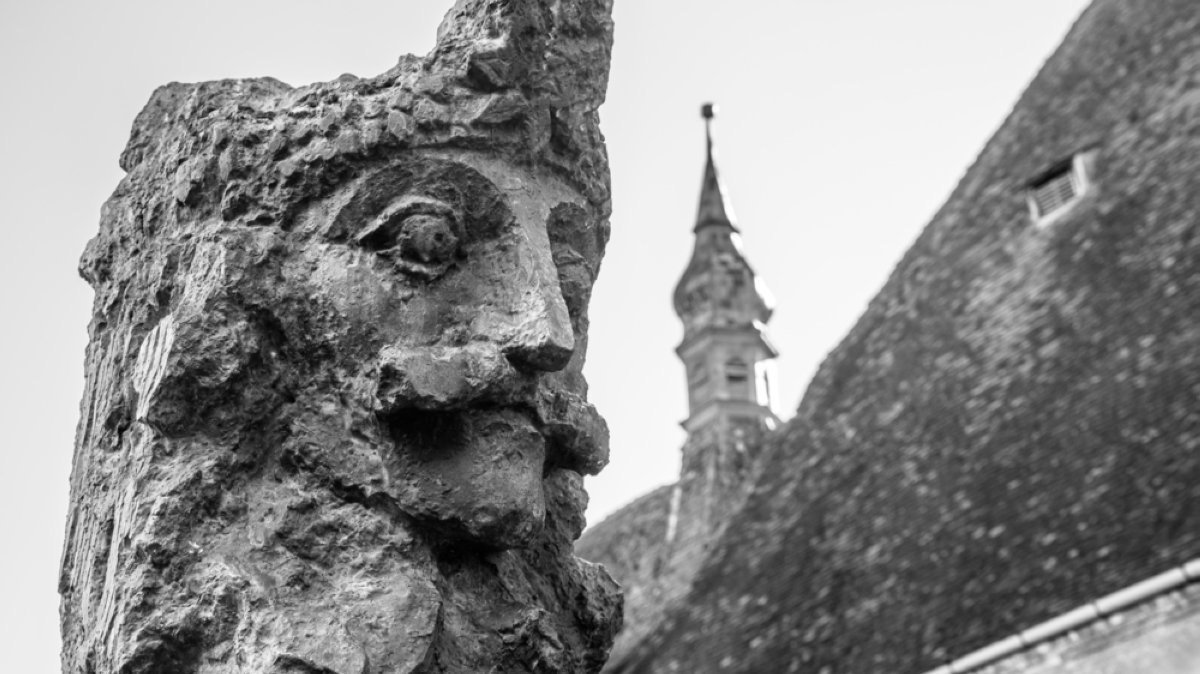
The historical conflict between Vlad III, known as Vlad the Impaler, and the Ottoman Sultan Mehmed II, or Mehmed the Conqueror, remains a defining chapter in the geopolitical narrative of 15th-century Wallachia. Their struggle for power, culminating in the 1462 Ottoman invasion of Wallachia, serves as a complex study of regional autonomy, military strategy, and the shifting borders of the late Middle Ages.
Understanding the making of the conflict requires moving beyond literary interpretations of the Dracula figure to examine the political realities of the Voivode of Wallachia. Vlad III, who ruled Wallachia during intermittent periods in the mid-15th century, faced immense pressure from the expanding Ottoman Empire, which sought to secure its northern frontiers. As a primary source of tension, the refusal of Vlad to continue paying the tribute required by the Ottoman court led to a direct military confrontation with the Sultan’s forces. According to historical records from the Encyclopedia Britannica, this defiance was a pivotal moment that forced a massive mobilization of Ottoman troops toward the Danube.
The tactical maneuvering between these two leaders was characterized by asymmetric warfare. Vlad III utilized scorched-earth policies and psychological warfare to neutralize the numerical superiority of the Ottoman army. His efforts were aimed at preserving the sovereignty of Wallachia against the imperial ambitions of Mehmed II, who had successfully captured Constantinople only years earlier in 1453, as detailed in reports by History.com. This context is essential for grasping why the rivalry between a local prince and an imperial sultan became a focal point of European diplomatic and military concern.
The Strategic Significance of the Wallachian Frontier
Wallachia occupied a critical position as a buffer zone between the Ottoman Empire and the Kingdom of Hungary. For Mehmed the Conqueror, consolidating control over this region was not merely a matter of territorial expansion but a strategic necessity to prevent Hungarian influence from encroaching on Ottoman trade routes. The conflict was significantly shaped by the geography of the Carpathian Mountains and the Danube River, which favored the defensive tactics employed by Vlad III.
Historical assessments of the 1462 campaign highlight the logistical challenges faced by the Ottoman military. Despite the Sultan’s ability to field a significantly larger force, the harsh terrain and the lack of reliable supply lines hindered the Ottoman advance. The Metropolitan Museum of Art notes that the Ottoman military apparatus was highly organized, yet it struggled against leaders who utilized the local environment to exhaust invading armies. This dynamic forced the Sultan to rely on political maneuvering, including the support of Vlad’s brother, Radu the Handsome, to destabilize the Wallachian throne from within.
The Legacy of the 1462 Campaign
The campaign of 1462 ended with the retreat of Vlad III and the installation of a pro-Ottoman administration. While the immediate military objective of the Sultan was achieved, the long-term impact on Wallachia was a period of complex vassalage that lasted for decades. This period of history is often overshadowed by the later cultural evolution of the Dracula myth, which largely ignores the geopolitical realities of the 15th-century Balkans. Historians emphasize that the administrative changes following the war were part of a broader effort by the Ottoman Empire to integrate the Danubian principalities into its tributary system, as documented by the Oxford Bibliographies.
For those interested in the authentic history of this region, ongoing research continues to uncover new details regarding the economic and social structures of the period. The influence of the Ottoman administrative model on Wallachian governance, as well as the resilience of local institutions, remains a subject of intense academic inquiry. Readers seeking further information on the specific treaties and political shifts of the era should consult the archives of the National Archives or institutional academic databases for verified primary documentation.
The study of these two figures—Vlad III and Mehmed II—offers a window into the transition between the medieval and early modern worlds. Their conflict was not merely a clash of personalities but a reflection of the institutional pressures that defined the Mediterranean and Eastern European landscape. As historical evidence continues to be refined through archaeological and archival research, the narrative of this period moves further away from myth and closer to a grounded understanding of early statehood and international conflict. We encourage our readers to join the conversation in the comments section below to share their perspectives on the historical impact of the 1462 campaign.
Worth a look