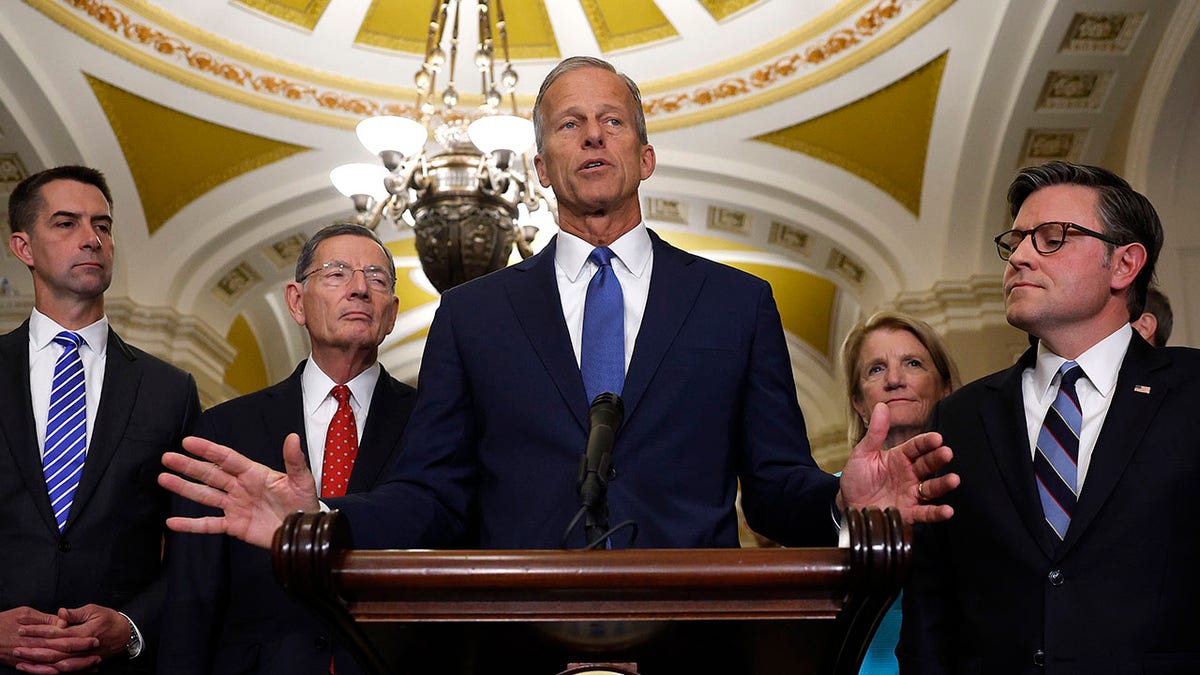
House Republican leadership is moving to address long-standing public frustration over the biannual clock shift by scheduling a legislative vote on making daylight saving time (DST) permanent. The initiative seeks to end the practice of “springing forward” and “falling back,” a system that has been in place in various forms across the United States since the implementation of the Uniform Time Act of 1966. Proponents argue that locking the clock would provide consistent evening daylight throughout the year, potentially benefiting both public health and the retail economy.
The legislative effort, which has gained traction as a bipartisan issue, aims to move the country toward a standard of permanent daylight saving time. While the House prepares for this vote, the path to enactment remains complex, as any proposal must pass both chambers of Congress and be signed into law by the president to alter current federal regulations. According to the U.S.
Legislative History and Current Congressional Status
The push to end the twice-yearly time change is not new, though it has seen renewed momentum in recent legislative sessions. In March 2022, the U.S. Senate unanimously passed the Sunshine Protection Act, a bill that would have effectively made daylight saving time the permanent national standard. However, the legislation stalled in the House of Representatives, where it did not receive a floor vote before the end of that congressional session. As reported by the Library of Congress, the bill faced a variety of procedural hurdles and concerns from stakeholders regarding the potential impact on school schedules and winter morning commute safety.
The current effort to bring the matter back to the floor highlights a persistent divide in legislative priorities. Conversely, critics of permanent daylight saving time, including some public health advocacy groups, have argued that permanent standard time—rather than permanent daylight saving time—is more closely aligned with human biological needs, as it provides more natural light in the morning hours during winter months.
The Scope of State-Level Legislative Action
While the federal government retains jurisdiction over time zones, many states have already expressed their desire to stop the clock changes. According to the National Conference of State Legislatures (NCSL), dozens of states have enacted legislation or passed resolutions in recent years urging Congress to allow them to observe daylight saving time year-round. These state-level actions, however, remain largely symbolic until federal law is amended to authorize the departure from the current system.
The geographic impact of such a change would be uniform across participating states, but the practical implications vary by latitude. In northern regions, permanent daylight saving time would mean later sunrises in the winter, potentially leading to sunrise times as late as 9:00 a.m. or later in some areas. This reality has fueled debate among lawmakers about whether the benefits of extended evening light outweigh the challenges of darker, colder mornings for students and commuters.
Next Steps in the Legislative Process
The upcoming vote represents a critical juncture for the proposal. For the legislation to become law, the House and Senate must agree on identical language before presenting the bill to the White House. If the bill passes the House, it will return to the Senate for further deliberation or reconciliation, depending on any amendments made during the House floor process. As of the latest update from the Office of the Clerk of the U.S. House of Representatives, the legislative calendar remains subject to change as leadership manages competing priorities.
Observers note that the outcome of this vote will likely depend on whether House leadership can build a consensus that bridges the gap between those favoring daylight saving time and those who prefer a return to standard time. Until federal action is finalized, the U.S. will continue to observe the start and end of daylight saving time as mandated by the Energy Policy Act of 2005, which extended the duration of the period by roughly four weeks. Readers can track the progress of this bill through the official Congress.gov portal for real-time updates on committee hearings and floor actions.
We encourage readers to engage with this topic in the comments section below. Do you believe the benefits of permanent daylight saving time outweigh the potential drawbacks of darker winter mornings? Share your thoughts on how these potential changes might affect your daily routine.
Keep reading