
In the volatile world of celebrity fashion, where trends often flicker and fade within a single TikTok cycle, there is something remarkably steady about the return of the chore coat. Once the humble uniform of 19th-century French laborers, the garment has transitioned from the workshop to the red carpet, becoming a cornerstone of the “rugged refinement” aesthetic currently dominating menswear.
For a global audience watching the style evolutions of Hollywood’s most influential “It boys,” the chore coat represents a shift toward intentional, durable dressing. The piece is no longer just about utility; it is a sartorial signal of effortless cool. This trend is being spearheaded by a trio of style icons—Harry Styles, Jacob Elordi, and Austin Butler—each of whom interprets the utilitarian jacket through a different lens, from high-fashion minimalism to vintage Americana.
The chore coat, also known as a French worker’s jacket, is defined by its boxy silhouette, durable fabric—typically denim, heavy cotton drill, or moleskin—and its signature multiple patch pockets. Originally designed to hold tools and tobacco tins for railroad workers and farmers, the jacket’s appeal today lies in its versatility. It occupies the precise middle ground between a casual shirt and a formal blazer, making it the ideal layer for transitional weather.
Harry Styles: The King of Sluggish Fashion
While many celebrities lean into the “newness” of fast fashion, Harry Styles has cultivated a reputation as a proponent of slow fashion. His approach to the chore coat is less about chasing a trend and more about the longevity of a staple. Styles is frequently spotted in a signature blue chore coat from The Row, a luxury label known for its commitment to minimalism and exceptional tailoring.
Styles often pairs this high-end utilitarian piece with a mix of eclectic accessories—think oversized aviators, vintage sneakers, and his characteristic wired headphones. By repeating the same piece across multiple public appearances, Styles elevates the chore coat from a simple garment to a personal trademark. This repetition reinforces the “slow fashion” ethos, proving that a well-made workwear piece can be the most versatile item in a wardrobe, regardless of the wearer’s estimated net worth.
Jacob Elordi: High-Fashion Workwear
If Harry Styles uses the chore coat for effortless repetition, Jacob Elordi uses it to bridge the gap between streetwear, and couture. The Australian actor, known for his towering 6’5″ frame, has become a muse for Bottega Veneta, where he often blends the house’s luxury leatherwork with rugged, workwear-inspired silhouettes.
Elordi’s interpretation of the trend often leans into “god-tier workwear,” where the boxy cut of the chore jacket is used to balance his proportions. Whether appearing at high-profile events in Venice or during press tours for films like Frankenstein, Elordi often layers his jackets over simple white tanks or creamy dress shirts. His style demonstrates how the chore coat can be “dressed up” for an evening event without losing its grounded, masculine edge.
Austin Butler: The Americana Influence
While Styles and Elordi lean toward European minimalism, Austin Butler finds his inspiration in the heart of Americana. Butler’s affinity for workwear is deeply rooted in the aesthetic of the American West and the grit of mid-century mechanics. He is a well-documented admirer of Carhartt, specifically the brand’s classic Detroit work jacket.
Butler has described the canvas feel and warmth of these jackets as essential to his wardrobe. His look is often characterized by weathered fabrics, vintage finds, and a palette of chocolate browns and deep ochres. By sourcing vintage French workwear from Los Angeles boutiques and mixing it with American heritage brands, Butler achieves a “surly mechanic” vibe that feels authentic rather than costumed. This approach emphasizes the chore coat’s origins as a tool of labor, repurposing it as a symbol of rugged masculinity.
The Anatomy of the Chore Coat Trend
To understand why the chore coat has become the “hardest working jacket of the year,” one must look at the specific elements that make it a timeless investment. Unlike the structured blazer, which can feel restrictive, or the hoodie, which can feel too casual, the chore coat offers a structured yet relaxed fit.
- The Fabric: Traditional versions use moleskin or heavy cotton drill, which are designed to withstand abrasion and wear.
- The Pockets: The multiple external patch pockets provide genuine utility, allowing the wearer to carry essentials without needing a bag.
- The Cut: A boxy, straight-cut silhouette that complements various body types and allows for easy layering over sweaters or tees.
- The Versatility: It functions as a light outer layer in spring and autumn, and as a mid-layer under a heavier overcoat in winter.
Why This Matters Now
The resurgence of the chore coat is not an isolated fashion event; it is part of a broader cultural movement toward “quiet luxury” and utilitarianism. In an era of digital saturation, there is a growing desire for tactile, durable goods that feel “real.” The chore coat, with its history of manual labor and physical endurance, provides a sense of authenticity.
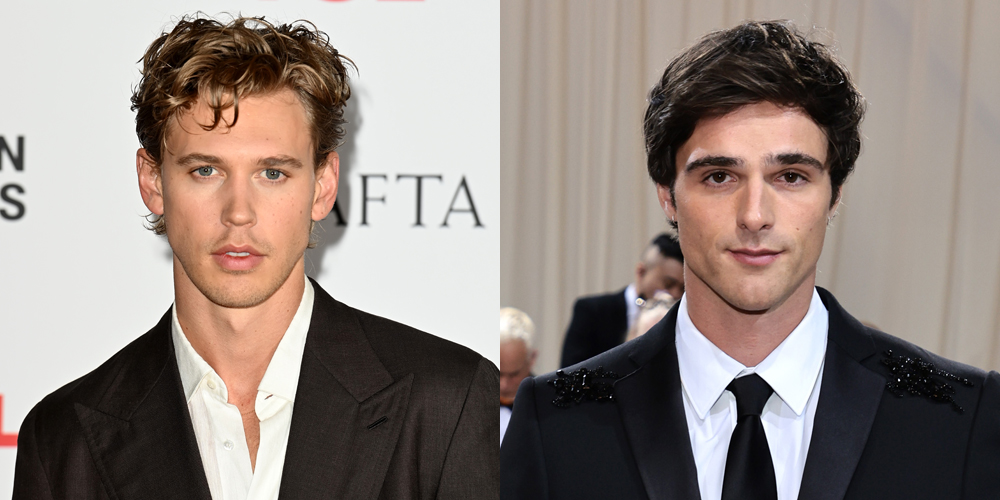
the endorsement by Styles, Elordi, and Butler provides three distinct entry points for the average consumer. Whether someone prefers the polished, high-fashion look of Elordi, the sustainable, repetitive style of Styles, or the vintage, rugged appeal of Butler, the chore coat is the common denominator. It is a garment that transcends social class and fashion subcultures, moving seamlessly from the farm to the film premiere.
| Style Icon | Primary Influence | Key Brand/Source | Styling Vibe |
|---|---|---|---|
| Harry Styles | Slow Fashion / Minimalism | The Row | Effortless & Repetitive |
| Jacob Elordi | Contemporary Luxury | Bottega Veneta | Polished & Proportional |
| Austin Butler | Americana / Vintage | Carhartt / Vintage French | Rugged & Weathered |
As the fashion cycle continues to turn, the chore coat is likely to remain a staple due to its fundamental utility. It is one of the few pieces of clothing that genuinely improves with age, developing a patina and shape that tells the story of the wearer.
For those looking to integrate this look into their own wardrobe, the key is to avoid looking like they are wearing a costume. The goal is “rugged refinement”—mixing the heavy canvas of a work jacket with a refined element, such as a crisp white tee or a pair of tailored trousers. As these three style leaders have demonstrated, the secret is in the balance between the blue-collar origin of the coat and the high-fashion context of the modern world.
With the current fashion season shifting, the next major checkpoint for workwear trends will be the upcoming autumn/winter collections from the major fashion houses in Paris and Milan, where utilitarian silhouettes are expected to remain a primary focus.
Do you prefer the rugged Americana look or the high-fashion minimalism of the chore coat trend? Share your thoughts in the comments below.
Worth a look
- The Last House Ending Explained: Wagner Moura Shares His Hopes For The Delgado Family In A Potential Sequel
- Fiebre de Canto: Chilevisión Reveals New Shocking Contestants and Star Signings
- Carabinieri Return Recovered Funds to Lawful Owner in Forlì (archyde.com)
- Liverpool vs Monaco: Van Dijk and Alisson Return for Anfield Friendly (time.news)