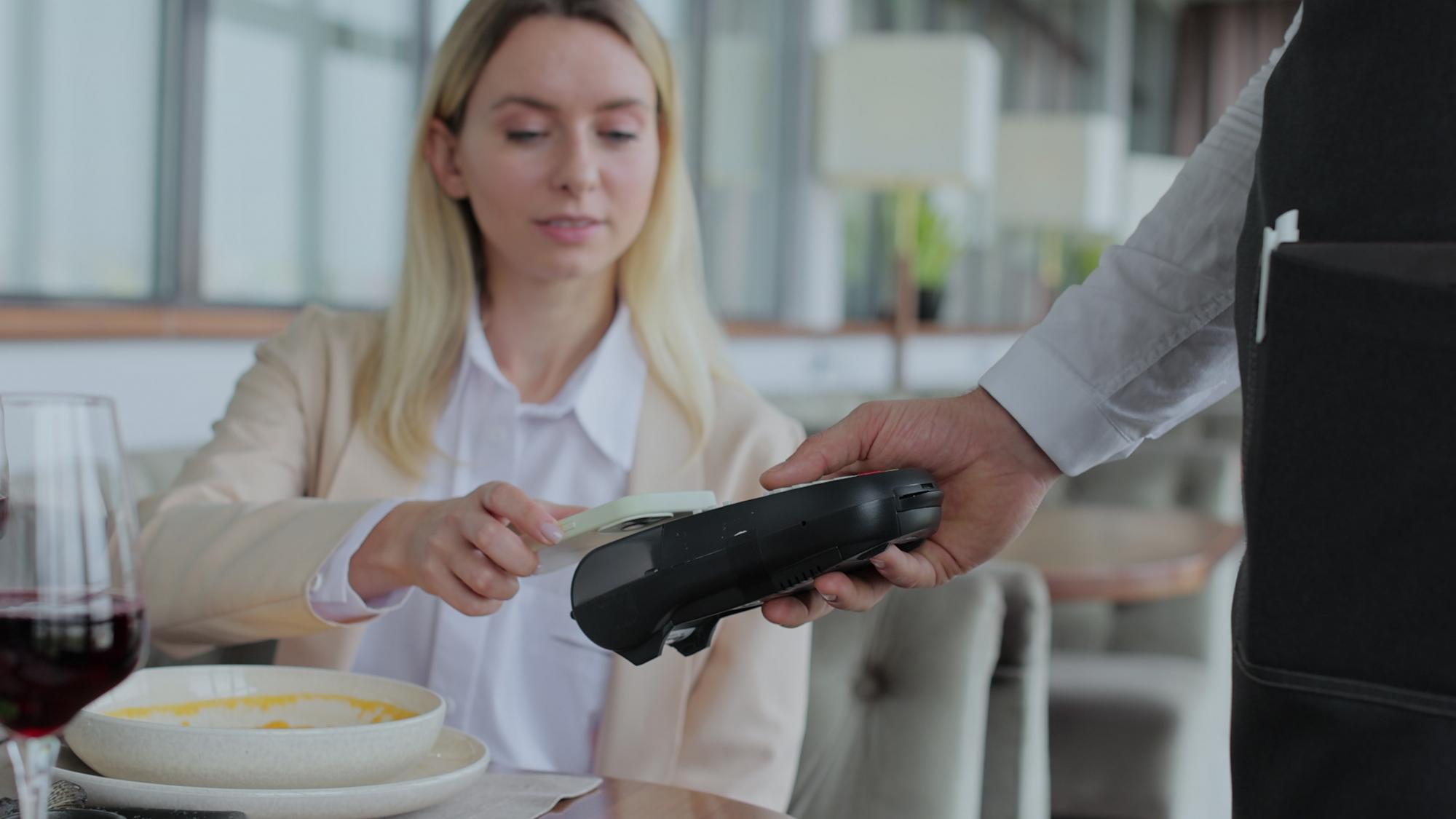
As the use of cash continues to decline across Europe, the integration of digital tipping systems into point-of-sale (POS) terminals has become a standard feature in hospitality and retail sectors. Consumers increasingly encounter prompts for gratuities when paying via credit card, debit card, or mobile wallets, a shift that has transformed the traditional cash-based practice of tipping into a structured, software-driven process.
According to data from the European Central Bank’s 2022 study on payment habits, electronic payments now represent the majority of transactions in many Eurozone countries, forcing businesses to adapt their service models to accommodate cashless gratuities. This transition is not merely a matter of convenience; it involves complex legal, tax, and social considerations for both employers and service staff.
The Mechanics of Digital Gratuities
Digital tipping functions through payment software integrated into card terminals. When a customer initiates a transaction, the terminal displays an interface—often referred to as a “tipping screen”—that offers preset percentages or a custom amount. Once the customer selects an option, the gratuity is processed alongside the bill total.

The Deutsche Bundesbank notes that while cashless payments offer increased speed and security, they necessitate a digital trail for every transaction. Unlike cash tips, which are often handed directly to employees and handled informally, digital tips are processed through the business’s bank account. This creates a clear financial record, which is a significant departure from the historical “shadow economy” of cash-based service industry earnings.
Taxation and Regulatory Compliance
One of the primary concerns for business owners implementing digital tipping is the tax classification of these payments. In many jurisdictions, including Germany, the treatment of tips is governed by strict labor and tax laws. According to the German Federal Ministry of Finance, voluntary tips paid by a customer to an employee are generally tax-free under specific conditions, provided they are not mandatory and are paid directly to the employee.

However, when a tip is processed digitally through a company terminal, it enters the business’s accounting system. This requires rigorous bookkeeping to ensure the funds are correctly identified as gratuities rather than business revenue. If the funds are treated as part of the company’s turnover, they may be subject to Value Added Tax (VAT) and income tax, which could diminish the final amount received by the service staff. Employers must ensure their POS software is configured to distinguish between net sales and gratuities to maintain compliance with local tax authorities.
Impact on Service Staff and Workplace Culture
The shift to digital tipping has sparked debate regarding the autonomy and morale of service workers. Traditionally, cash tips provided employees with immediate, liquid income. Digital tips, conversely, are often distributed through payroll at the end of a pay period. This delay, while administratively cleaner, can be perceived as a loss of financial flexibility for staff.
Furthermore, the “social pressure” of the digital prompt has been a subject of research. A study published by the National Bureau of Economic Research (NBER) suggests that the visibility of tipping choices on a screen can influence consumer behavior, sometimes leading to higher tip averages but also creating potential “tip fatigue” among frequent customers. For business owners, the challenge lies in balancing the convenience of digital payments with the risk of alienating customers who may feel coerced by automated prompts.
Best Practices for Transparency
To maintain trust, businesses adopting digital tipping systems often implement transparent communication policies. This includes clear signage explaining how tips are collected and distributed. In many European establishments, it is common practice to disclose whether a service charge is included or if the tips are shared among the entire team, including kitchen staff, a practice known as “tip pooling.”
The OECD’s Taxing Wages 2024 report emphasizes that clarity regarding the destination of gratuities is essential for maintaining a fair labor environment. Employees are increasingly looking for written agreements that outline how digital tips are calculated, taxed, and disbursed, ensuring that the transition to digital does not result in a net loss of income for the workers who provide the service.
Looking Ahead: The Future of Service Payments
As mobile payment technologies continue to evolve, the integration of tipping into peer-to-peer apps and specialized service-industry platforms is expected to increase. Future developments will likely focus on reducing the administrative burden on small business owners while maximizing the transparency of the transaction for the consumer.
Stakeholders should monitor upcoming updates from national labor ministries regarding the classification of digital gratuities as payroll, as further regulatory shifts are anticipated to harmonize these practices across the European Union. Business owners are encouraged to consult with tax advisors to ensure their current POS infrastructure meets the latest regulatory standards for transparency and tax reporting.
Readers are invited to share their experiences with digital tipping in the comments section below, particularly regarding transparency and ease of use in their local establishments.
Worth a look