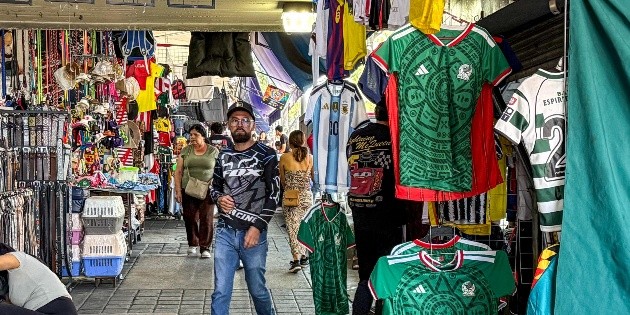
As the global sporting calendar reaches its peak, international markets often face a secondary, illicit surge: the proliferation of counterfeit merchandise. For major events, the economic impact of unauthorized goods is significant, creating a complex web of legal, financial, and consumer safety challenges that extend far beyond the stadium gates. From the streets of Mexico City to international distribution hubs, the trade in unlicensed apparel and memorabilia represents a persistent hurdle for intellectual property enforcement agencies worldwide.
The unauthorized sale of sports-related goods—often referred to as counterfeit sports merchandise—thrives in the weeks leading up to high-profile tournaments. While fans may be drawn to the lower price points of these items, the phenomenon carries broader economic consequences. According to the Organisation for Economic Co-operation and Development (OECD), the global trade in counterfeit goods remains a multibillion-dollar industry, undermining legitimate businesses and often bypassing regulatory standards designed to protect consumers.
The Mechanics of the Informal Market
In many regions, the rise of the informal market is tied to the high demand for national team jerseys and commemorative gear. During peak seasons, street vendors and unauthorized online platforms often capitalize on the “fever” surrounding major matches. However, the distinction between licensed and unlicensed goods is not merely a matter of branding; it involves complex supply chains that often operate outside the purview of tax authorities and labor regulations.

Law enforcement agencies, including those within the Mexican Institute of Industrial Property (IMPI), frequently conduct inspections to identify and seize products that infringe on trademark rights. These operations aim to curb the distribution of goods that fail to meet quality standards or that misappropriate the intellectual property of sporting federations and official sponsors. The challenge for authorities is the sheer scale and decentralization of these networks, which can adapt quickly to increased surveillance.
Consumer Impact and Safety Considerations
While the primary concern for rights holders is financial loss, there is also a consumer-facing element to this issue. Counterfeit products are rarely subject to the same quality control measures as licensed merchandise. In some instances, the materials used in unauthorized apparel have not been tested for safety or durability, and the manufacturing processes often lack transparency regarding labor conditions. Organizations such as the World Intellectual Property Organization (WIPO) emphasize that protecting intellectual property is essential to maintaining market integrity and ensuring that consumers receive the quality they expect.

For fans, the allure of a bargain can sometimes mask the risks associated with supporting the informal economy. Beyond the lack of consumer guarantees, purchasing from unregulated sources provides no recourse if the product is defective or does not match the description. Experts recommend that consumers verify the authenticity of their purchases by checking for official holographic tags, purchasing from authorized retailers, and avoiding platforms that offer “too-good-to-be-true” pricing.
Legal Frameworks and Enforcement
The legal fight against the sale of pirated goods is governed by a combination of local statutes and international treaties. In Mexico, for example, the Federal Law for the Protection of Industrial Property provides the framework through which authorities can pursue legal action against the distribution of counterfeit goods. These laws are designed to protect the rights of creators and sponsors who invest heavily in the development and marketing of official products.
However, enforcement is an ongoing process. As noted in reports from the Office of the United States Trade Representative (USTR), intellectual property protection remains a priority in global trade discussions. The effectiveness of these measures depends on a combination of border control, digital monitoring, and public awareness campaigns. By educating the public on why these laws exist, authorities hope to reduce the overall demand for illicit goods.
Key Takeaways for the Global Fan
- Verify Authenticity: Always look for official branding, holograms, and purchase from verified retail partners.
- Understand the Economic Impact: Counterfeit goods undermine legitimate jobs and tax revenues that support the sports industry.
- Consumer Protection: Unauthorized goods do not come with warranties or quality guarantees, leaving the buyer with no recourse for defective products.
- Legal Consequences: In many jurisdictions, the commercialization of infringing goods is a serious legal violation that can lead to significant fines and criminal charges.
As the international community continues to monitor these trends, the focus remains on balancing the accessibility of sports merchandise with the necessity of protecting intellectual property. Future updates regarding enforcement actions and legislative adjustments will be tracked by relevant trade bodies and government offices. We encourage our readers to stay informed through official government communications and to share their thoughts on the balance between affordability and ethical consumption in the comments section below.

Keep reading