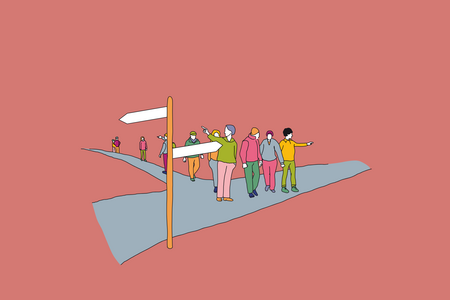
Political parties serve as the bedrock of representative democracy in Germany, acting as the primary vehicles for public opinion, electoral participation, and the formation of government. Despite their constitutional mandate under Article 21 of the German Basic Law, these organizations are often subject to widespread misconceptions regarding their function, funding, and internal decision-making processes. Understanding the reality of the party system is essential for citizens to engage effectively in the democratic process.
The German Basic Law (Grundgesetz) explicitly defines the role of parties, stating they participate in the formation of the political will of the people. According to the German Bundestag, parties must be internally democratic and publicly account for their sources of funding. These regulations are designed to ensure transparency and accountability, yet public skepticism persists regarding the influence of private interests and the rigidity of party structures.
Myth 1: Parties Are Private Clubs Beyond Public Scrutiny
A common belief is that political parties operate as exclusive, private entities with little obligation to the public. In reality, German political parties are subject to strict legal oversight. The Political Parties Act (Parteiengesetz) requires that parties maintain a democratic internal structure, meaning members must have a genuine say in policy and leadership decisions. Parties are not merely private associations; they are constitutional organs that receive state funding based on their electoral success and private donations, both of which must be disclosed in annual financial reports submitted to the President of the Bundestag.
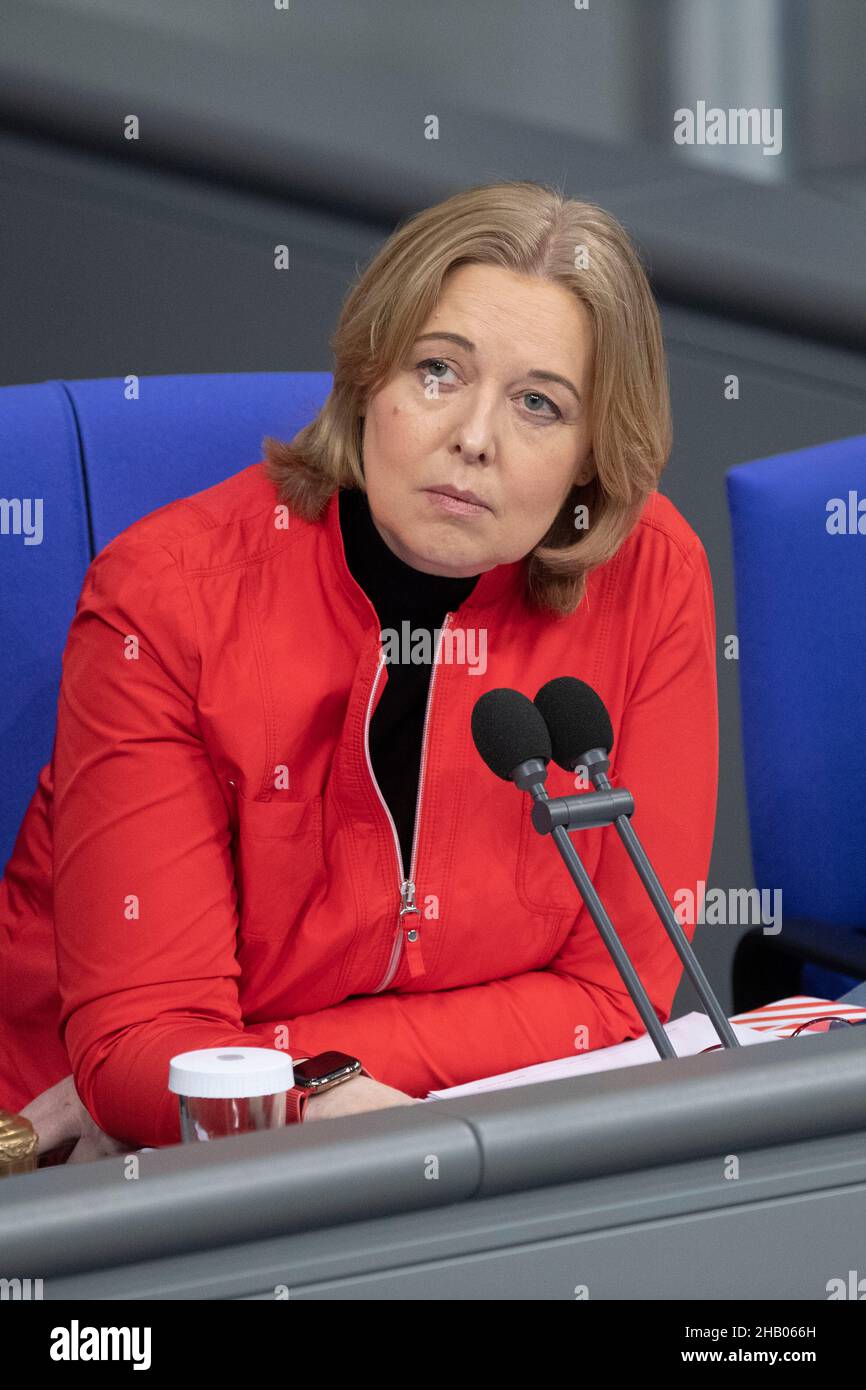
Myth 2: Party Membership is Essential for Political Influence
While party membership provides a direct channel for shaping policy platforms, it is not the only avenue for political influence in Germany. Civil society organizations, non-governmental organizations (NGOs), and interest groups play a significant role in lobbying and public discourse. According to data from the Federal Agency for Civic Education (Bundeszentrale für politische Bildung), the decline in formal party membership over the past three decades has coincided with a rise in issue-based activism. Citizens frequently influence the political agenda through petitions, local initiatives, and participation in public demonstrations, which can force parties to adopt new positions on critical issues.
Myth 3: Parties Only Care About Winning Elections
Critics often argue that political parties are solely driven by electoral gains, prioritizing short-term popularity over long-term governance. However, the legislative process in Germany necessitates compromise, particularly in the context of coalition governments. As noted by the Bundesrat, the federal system requires parties to balance regional interests with national policy objectives. The need to maintain coalition stability often acts as a check on radical shifts in policy, forcing parties to focus on pragmatic governance and institutional continuity rather than just campaign rhetoric.
Myth 4: Political Funding Corrupts the Democratic Process
The influence of money in politics is a frequent subject of public debate. While there are concerns about the impact of large corporate or individual donations, Germany maintains a dual-funding system. Parties receive state subsidies based on their performance in European, federal, and state elections, which aims to reduce dependency on private donors. The Bundestag’s party financing regulations stipulate that all donations exceeding 10,000 euros must be disclosed in annual reports, and those exceeding 50,000 euros must be reported immediately to the President of the Bundestag for publication. These rules are intended to prevent the capture of political parties by singular financial interests.
Myth 5: Parties Are All the Same in Modern Governance
The perception that all parties share identical policy goals is often a byproduct of the necessity for coalition compromises. Despite this, distinct ideological differences remain regarding economic policy, environmental regulation, and social welfare. Research from the Wissenschaftszentrum Berlin für Sozialforschung (WZB) indicates that parties continue to represent different segments of the electorate, from labor-focused platforms to market-liberal or environmentalist agendas. These differences are most visible during election campaigns, where parties draft individual manifestos that outline their specific vision for the country’s future.

Moving Forward: Engaging with the System
The German party system remains in a state of evolution as it adapts to shifting voter demographics and the rise of digital political engagement. The next major test for the system will be the upcoming federal elections, where parties will be required to demonstrate their relevance to an increasingly diverse electorate. Citizens seeking to participate or monitor these developments can access official party financial reports and legislative records through the Bundestag portal. Engaging with these primary sources remains the most effective way to separate political myth from administrative reality.
We welcome your thoughts on the role of political parties in modern society. Please share this analysis and join the conversation in the comments section below.
Keep reading