
In the world of automotive engineering, few brands command as much cult-like devotion as Saab. Known for a design philosophy that prioritized safety, unconventional ergonomics, and a distinct “Born from Jets” identity, the Swedish manufacturer carved out a niche that was as much about intellectual appeal as it was about transportation. However, for enthusiasts of the classic Saab 900 series, a persistent question has long lingered in the halls of automotive history: Why was a dedicated 900 station wagon never part of the official production lineup?
While the brand’s catalog is filled with iconic silhouettes, the absence of a traditional 900 wagon has often been viewed as a missing piece of the puzzle. Yet, recent discussions within the collector community and automotive historical circles suggest that the story isn’t one of a missed opportunity, but rather one of unfulfilled potential. While a production-ready 900 station wagon never reached the showroom floors, evidence points to the existence of two distinct prototypes that once hinted at a different direction for the model.
As a technology editor who has spent years observing how industrial design dictates consumer evolution, I find these “phantom” models particularly fascinating. They represent the intersection of engineering ambition and the harsh realities of corporate restructuring. To understand why these prototypes remained in the shadows, one must look closely at the complex history of Saab Automobile AB and the unique design language that defined the 900 series.
The Saab 900 Legacy: Engineering a Niche
The Saab 900 arrived at a pivotal moment for the Swedish manufacturer. Following the 1968 merger of the parent company with Scania-Vabis, the brand underwent significant shifts in its organizational structure. By 1978, a decade after that merger, the Saab 900 was launched, eventually becoming a cornerstone of the brand’s identity. It was a vehicle that refused to follow the standard design tropes of the era, opting instead for a robust, purposeful aesthetic that resonated with a specific demographic of drivers.
The 900 was more than just a car; it was a statement of Swedish engineering. It provided a sense of durability and specialized utility that set it apart from the more mainstream offerings from German or Japanese competitors. This era of the company was marked by a deep commitment to specialized performance, a trait that would eventually lead to the brand’s reputation for high-quality, albeit niche, luxury vehicles.
However, as the brand moved through various ownership phases—including a period of 50 percent ownership by General Motors in 1989 and full acquisition in 2000—the focus often shifted between maintaining this unique engineering soul and meeting the broader market demands of a global conglomerate. It was during these transitions that many of the more experimental design paths, such as the 900 station wagon prototypes, likely met their end.
Combi Coupé vs. Station Wagon: A Matter of Design
To the uninitiated, the distinction between a Saab 900 Combi Coupé and a traditional station wagon might seem negligible. In reality, the difference is fundamental to how Saab approached the concept of “utility.” The Combi Coupé was a masterclass in versatile design, offering a hatchback-style rear that provided significant cargo space without sacrificing the sleek, aerodynamic lines of a coupe.
The Combi Coupé was arguably the solution Saab offered to the market’s need for versatility. It provided the practical benefits of a larger cargo area while maintaining the brand’s signature silhouette. For many owners, the Combi Coupé was “enough” of a wagon. This success may have inadvertently stifled the development of a true, elongated station wagon. From a manufacturing standpoint, a dedicated wagon would have required different body panels, different structural reinforcements, and a separate production logic, all of which might have been deemed unnecessary given the popularity of the Combi Coupé.
The existence of the two 900 station wagon prototypes suggests that engineers were indeed exploring a more traditional estate format. These prototypes likely aimed to push the boundaries of the 900’s utility even further, potentially offering the kind of long-roof capacity that enthusiasts had been requesting for years. The fact that they remained prototypes suggests a conflict between the engineering vision of a more capable utility vehicle and the market strategy of a brand focused on maintaining a premium, streamlined image.
The Phantom Prototypes: A Glimpse into a Divergent Path
While the official production records for Saab Automobile AB do not list a 900 station wagon, the whispers of these two prototypes continue to fuel the passion of the brand’s most dedicated followers. In the realm of automotive history, prototypes often serve as the “lost branches” of an evolutionary tree—designs that were technically viable but commercially or strategically discarded.
These prototypes represent what could have been a significant expansion of the 900’s market reach. A true station wagon would have positioned the 900 to compete more directly with the established estate models from European rivals, potentially capturing a larger share of the family-oriented luxury market. For enthusiasts, these vehicles are more than just metal and rubber; they are symbols of a brand that was always willing to experiment, even if those experiments never made it past the testing phase.
The mystery surrounding these models is compounded by the fragmented history of Saab itself. As the company moved through various hands—from the Dutch manufacturer Spyker Cars N.V. In 2010 to the eventual bankruptcy proceedings—much of the company’s institutional memory and physical assets became dispersed. This makes the verification of such prototypes a challenge for historians, turning them into modern automotive legends.
From Trollhättan to Bankruptcy: The Decline of an Icon
The story of Saab is ultimately a cautionary tale of a brilliant engineering entity struggling against the tides of global economic shifts and complex corporate ownership. Based in Trollhättan, Sweden, Saab Automobile AB faced a turbulent decade. After the sale to Spyker in 2010, the company faced severe financial difficulties. Following a failed attempt to secure a purchase by a Chinese consortium—a move that was reportedly opposed by former owner General Motors due to concerns over technology transfer—the company petitioned for bankruptcy in 2011.
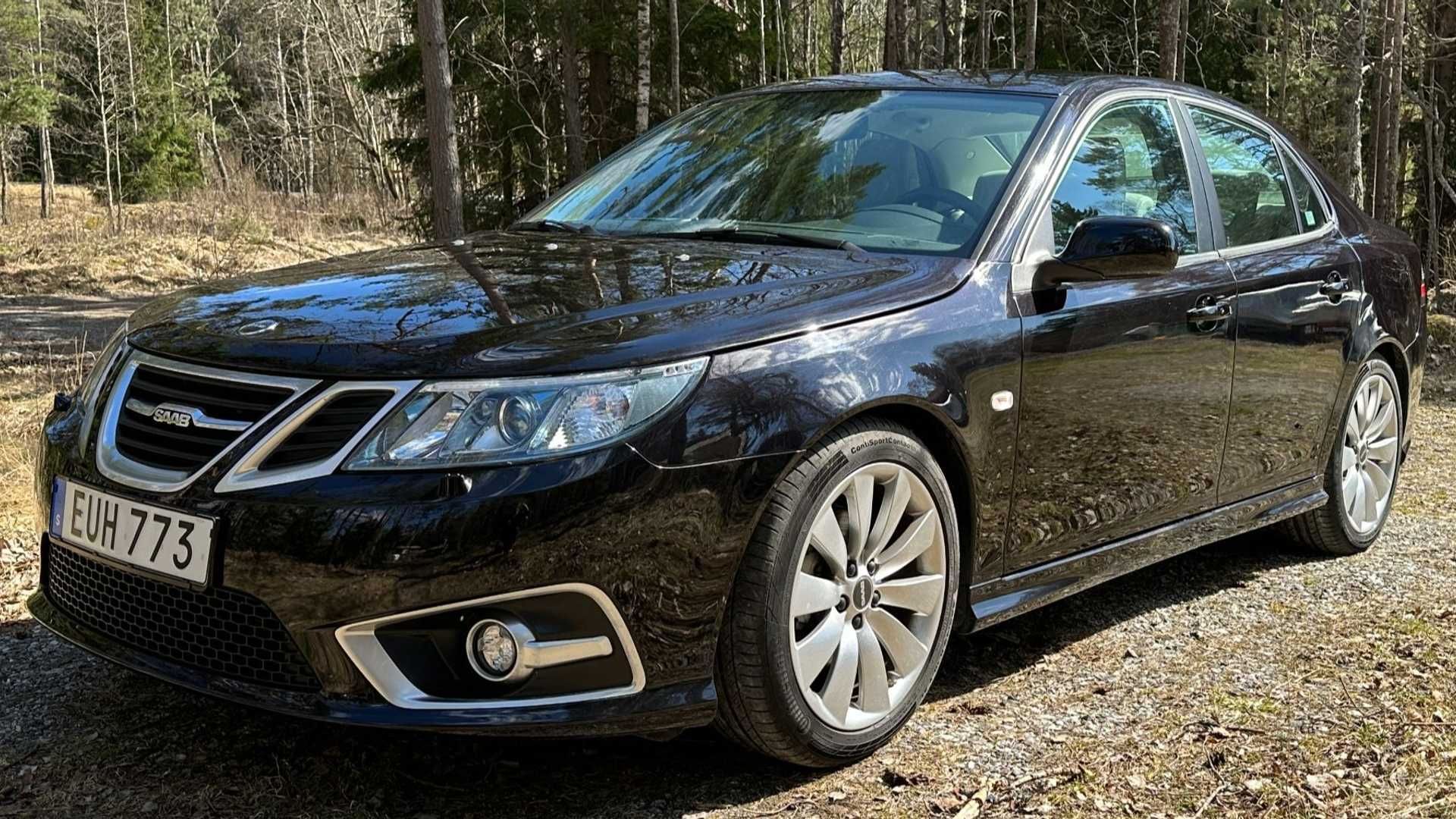
The collapse of the original Saab Automobile AB marked the end of an era. While the brand’s spirit was later carried forward by successors like NEVS, the original lineage of the 900, 9000, and the subsequent 9-3 and 9-5 models remains a distinct chapter in automotive history. The bankruptcy was not just a financial failure; it was the loss of a unique design language that had been meticulously cultivated since the company’s founding in 1945.
The legacy of these models continues through the enthusiast community. Even decades after the company’s demise, the “Born from Jets” mantra remains a rallying cry for those who value the unconventional and the expertly engineered. The 900, in all its forms—including the highly successful Combi Coupé—stands as a testament to a time when Swedish design was synonymous with a very specific type of uncompromising character.
Key Takeaways: The Saab 900 Era
| Feature/Event | Details |
|---|---|
| Founding Year | 1945 (Saab Automobile AB) |
| Key Model Launch | Saab 900 (launched approximately 10 years after the 1968 merger) |
| Core Design Philosophy | “Born from Jets” / Safety and unconventional ergonomics |
| Primary Body Style | Combi Coupé (widely used as a versatile alternative to a wagon) |
| The “What If” | Two undocumented 900 station wagon prototypes |
| Company Fate | Bankrupt following ownership shifts (GM, Spyker) |
As we look back on the history of Saab, the story of the 900 station wagon prototypes serves as a reminder that the most engaging parts of technology and design are often the things that never quite made it to the light of day. These prototypes are the ghosts in the machine, representing the infinite possibilities that exist before the constraints of mass production and corporate strategy take hold.
Next Checkpoint: There are no currently scheduled official updates or filings regarding the physical location or public display of these specific 900 prototypes. Collectors and historians continue to monitor auction houses and private archives for any emerging documentation.
What do you think of Saab’s “lost” models? Do you believe a true 900 station wagon would have changed the brand’s trajectory? Let us know in the comments below and share this article with your fellow automotive enthusiasts.